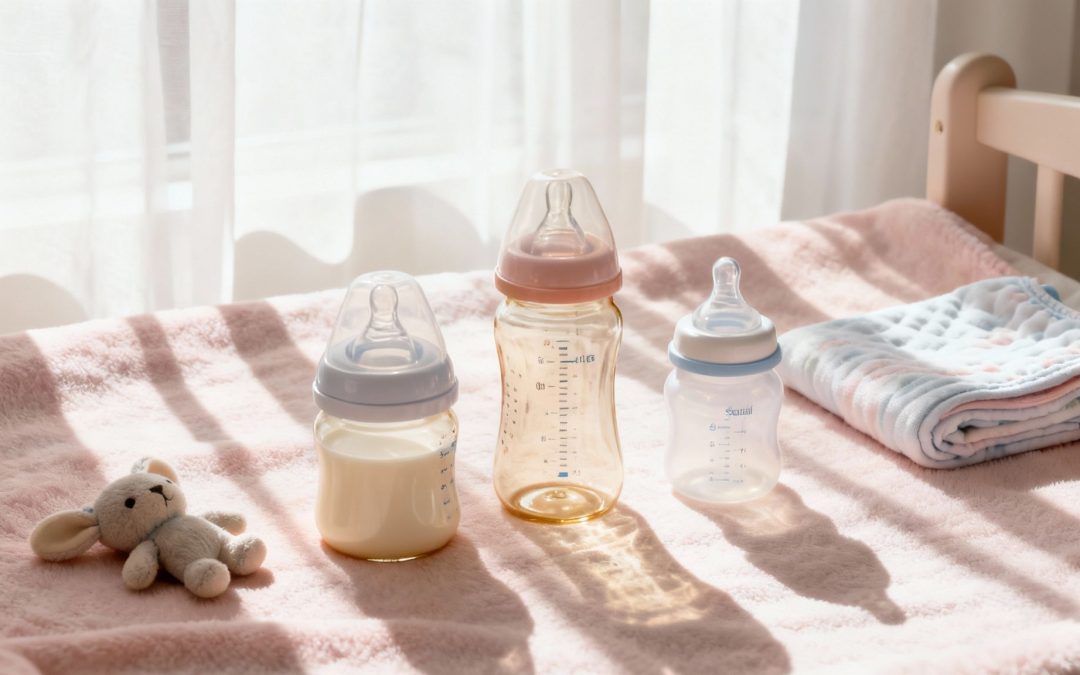
When you're searching for the best bottles for newborns breastfeeding, the key is finding something that closely mimics the real thing. You'll often hear lactation consultants recommending bottles with a wide, soft nipple and a slow, controlled flow. Brands like Comotomo, Dr. Brown's, and Pigeon are popular for a reason—they're designed to help protect your baby's natural latch.
Starting Your Breastfeeding and Bottle Feeding Journey
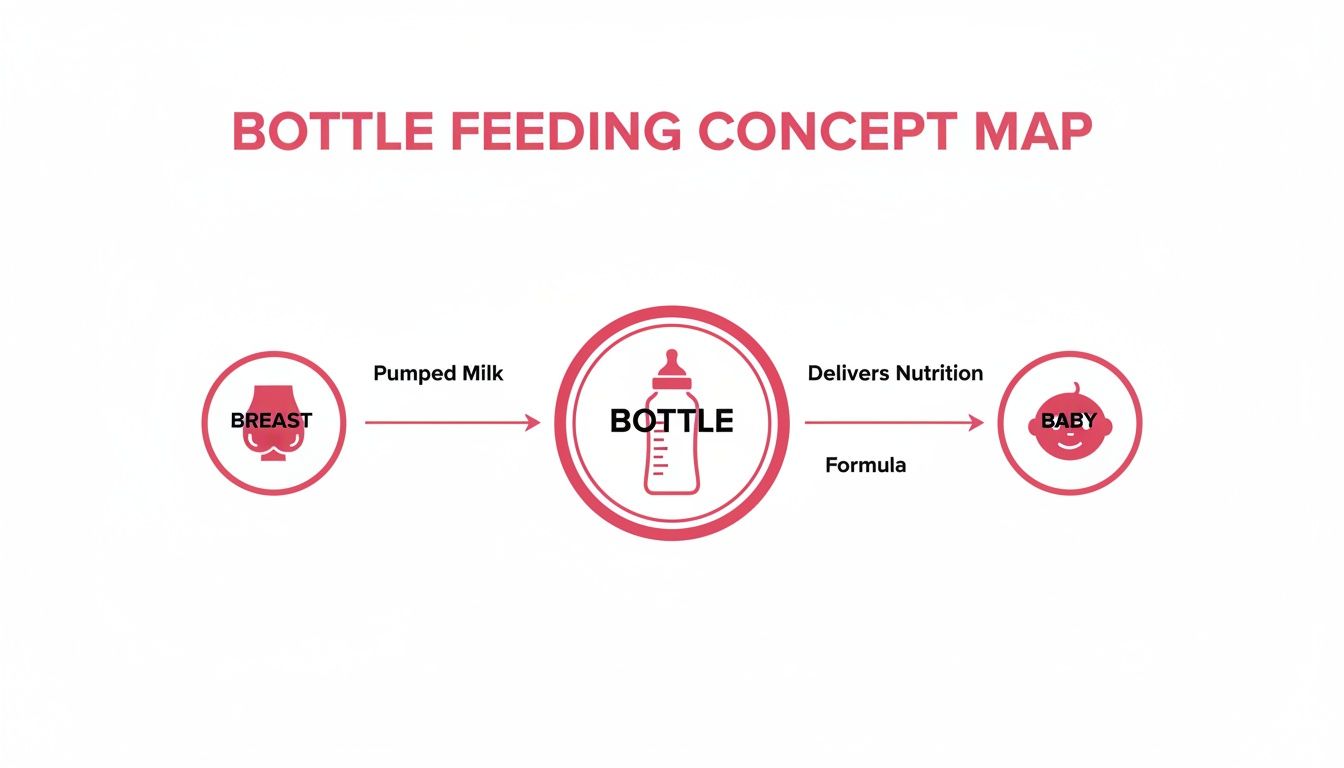
Welcome to the world of combination feeding! This guide is for Australian parents trying to find that sweet spot between breast and bottle. Choosing the right bottle is about so much more than just getting milk into your baby; it's about protecting that special bond you’ve worked so hard to build. The right bottle should feel like a natural extension of your breastfeeding journey, not a disruption.
We'll clear up common worries like 'nipple confusion' and explain gentle methods like 'paced bottle-feeding' in a way that makes sense. Think of this as your friendly guide, here to help make every feed—whether from breast or bottle—a calm, positive experience for both of you.
Setting Up for Success
The whole idea is to make switching between breast and bottle feel completely effortless for your little one. Having the right gear and a relaxed mindset can truly make all the difference, giving you the confidence to meet your baby's needs while reaching your own feeding goals.
Here’s what to keep in mind as you get started:
Support Your Bond: The main goal is to find a bottle that works with your breastfeeding relationship, not against it.
Mimic Natural Feeding: Look for features that encourage your baby to use the same sucking motions and muscles they use at the breast.
Stay Patient and Flexible: Every baby is unique. What works perfectly for your friend's bub might not be the one for yours, so be ready for a bit of trial and error.
Beyond the bottle itself, other essentials can help strengthen your connection during these early days. A comfortable Boba Baby Wrap Carrier can be a game-changer for keeping your baby close and content.
Getting all your gear organised before your little one arrives can also reduce a lot of stress. Putting together a thoughtful list of essentials is a lifesaver, and you can learn more about how to do just that by checking out our guide on setting up a baby shower registry. Ultimately, this journey is all about discovering what feels right for you and your family.
Why The Right Bottle Matters for Breastfed Babies
When you decide to introduce a bottle to your breastfed baby, you're not just giving them a new way to eat; you're asking them to learn a slightly different skill. Think of the bottle as a 'relief teacher' for the day. For the class to run smoothly, the relief teacher needs to stick to the usual lesson plan, not invent a whole new one. The same idea applies here – the bottle should support the feeding habits your baby already knows, not throw them into chaos.
A baby at the breast does a lot more than just suck. They use their jaw, tongue, and lips to create a deep, wide latch, actively working to draw milk out. It's a beautifully coordinated dance of suck, swallow, and breathe, and the milk flow naturally ebbs and flows with their effort.
Understanding Flow Preference
Some bottles make this dance a little too easy. A standard, fast-flowing bottle can gush milk out with very little work from the baby. This can lead to what’s known as flow preference (often mistaken for 'nipple confusion'), where your baby starts to prefer the instant reward of the bottle over the more nuanced effort needed at the breast.
Choosing the right bottle is all about protecting the feeding mechanics your baby has already mastered. The goal is to find a bottle that requires a similar effort, preserving the natural rhythm of breastfeeding.
This is exactly why mimicking the breast's natural pace is so important when looking for the best bottles for newborns who are also breastfeeding.
Preserving a Healthy Latch
The way your baby latches is the foundation of successful breastfeeding. A good latch means they take a large amount of breast tissue into their mouth, not just the nipple. This wide gape allows them to effectively transfer milk and, just as importantly, stimulates your milk supply.
A poorly designed bottle can accidentally teach a shallow latch. If a baby learns they only need to clamp down on the very tip of a bottle's teat to get milk, they might try the same shallow technique at the breast. This is often inefficient for them and can be quite painful for mum.
To support your breastfeeding journey, focus on two key things:
Latch Preservation: Look for a bottle with a wide base and a gradually sloped teat. This design encourages a wide, open-mouthed latch that feels much more like the real thing.
Paced Feeding: This is a technique where you hold the bottle horizontally, letting your baby control the flow of milk. It stops them from gulping down their feed too quickly and mimics the stop-start nature of a breastfeed.
For newborns, bottles that are wide-necked and slow-flow are your best friends for maintaining both their latch and your supply. In fact, studies show a 15-20% higher rate of continuing breastfeeding when parents use anti-colic designs. Imagine a mum in rural NSW who has used a platform like EasyRegistry to stock her nursery with a Comotomo or Dr. Brown's bottle set; these choices actively reduce the risk of flow preference, a top reason why 27% of mums stop breastfeeding by three months. You can learn more about the factors influencing breastfeeding rates and discover additional insights.
What Makes a Bottle Breastfeeding-Friendly?
Walking down the baby aisle can feel overwhelming. With so many bottles promising to be the "best," how do you actually choose one that won't interfere with your breastfeeding journey? It's simpler than you might think. The key is to focus on a few core features that make a real difference.
A great bottle for a breastfed baby is like a good understudy—it steps in when needed but doesn't try to steal the show. It should mimic the experience of breastfeeding, encouraging your baby to use the same wide latch and active sucking they’ve learned with you. This prevents "nipple confusion" or a preference for the easier, faster flow a standard bottle might offer.
The goal is to find a bottle that makes your baby work for their milk, just like they do at the breast. This is crucial for preserving the feeding instincts that are so important for your long-term breastfeeding success.
This is all about ensuring the feeding experience feels familiar and consistent for your little one, whether they're at the breast or taking a bottle of expressed milk.
Ultimately, you want a system that supports your baby's natural feeding rhythm, no matter the source.
The Teat Shape and Feel
The most important part of any bottle is the teat—it's where all the action happens. Many people assume a teat needs to look exactly like a breast, but what really matters is how it functions in your baby's mouth.
You’ll want to look for a teat with a wide base and a gradual slope up to the tip. This design encourages your baby to open their mouth wide and create a deep, secure latch, just like they would on the breast. It prevents them from taking just the tip, which is a shallow latch. Soft, flexible silicone is usually the best material; it feels more natural and moves with your baby's tongue and jaw.
Why Slow Flow is a Must
Next up is flow rate, and this one is non-negotiable for a breastfed newborn. When a baby breastfeeds, the milk doesn't just pour out. The feed starts slowly, builds, and then tapers off. A bottle should do the same.
A slow-flow teat is essential because it forces your baby to use their jaw and tongue muscles to actively draw out the milk. It stops milk from flowing too fast, which can lead to gagging, discomfort, and a frustrating preference for the bottle's "instant gratification."
Keep in mind that flow rates aren't standardised across brands. One company's "slow" might be another's "medium." It's always a good idea to start with the slowest flow available (sometimes labelled 'newborn' or even 'preemie') and watch how your baby handles it.
Anti-Colic Vents and Bottle Materials
A gassy, uncomfortable baby can quickly turn a peaceful feed into a stressful one. This is where anti-colic features come in. They're designed to stop your baby from swallowing air along with their milk. These systems work using clever vents, internal straws, or collapsible liners that keep air out of the teat.
For newborns especially, a good venting system can be a lifesaver. Some designs have been clinically shown to reduce gas-related fussiness by up to 50%. With around 19% of Australian babies being combination-fed by six months, getting the right gear from the start makes a huge difference. You can find out more about Australian breastfeeding statistics and what influences them. Many parents use services like EasyRegistry to add specific anti-colic bottles to their baby shower list, ensuring they get the supportive gear they actually need.
Finally, think about what the bottle itself is made of. Here are the main options:
Plastic (BPA-free): The most common choice. They're lightweight, affordable, and won't shatter if dropped.
Glass: A classic for a reason. Glass is durable, very easy to clean, and completely free from chemicals, but it's heavier and can break.
Silicone: Soft, flexible, and light. Some babies love the unique squeezable feel of a silicone bottle.
To help you put it all together, here's a quick reference table.
Comparing Key Features in Breastfeeding-Friendly Bottles
This table breaks down the essential features to look for when choosing a bottle to complement breastfeeding, helping you prioritise what truly matters for your baby.
Feature
Why It Matters for Breastfed Babies
What to Look For
Teat Shape
Encourages a deep, wide latch similar to the breast, which helps prevent nipple confusion and supports good oral development.
A wide base with a gradual slope to the tip.
Flow Rate
A slow flow mimics the natural pace of breastfeeding, making the baby work for the milk and preventing a preference for the bottle.
The slowest flow available, often labelled 'newborn' or 'Level 1'. Check your baby for signs of overwhelm.
Material
The teat should feel soft and flexible to allow for natural tongue and jaw movement, while the bottle material suits your lifestyle.
Soft, pliable silicone for the teat. For the bottle: BPA-free plastic, glass, or food-grade silicone.
Anti-Colic Design
Reduces the amount of air a baby swallows during a feed, which can help minimise gas, fussiness, and discomfort.
Internal vents, straws, or collapsible liners designed to keep air and milk separate.
By focusing on these four key areas, you can confidently choose a bottle that supports, rather than hinders, your breastfeeding relationship.
Australia's Top Bottles for Breastfed Newborns
Alright, now that we’ve covered the theory, let's look at some real-world options. Knowing what features to look for is one thing, but seeing how they come together in an actual product is where it all clicks. We've rounded up some of the most popular and parent-approved bottles you can find here in Australia, each one a great choice for different reasons.
Think of this as your expert-curated shortlist. I’ll break down what makes each bottle shine—from its teat design to its anti-colic tech—to help you find the perfect fit for your little one.
Best for a Natural Latch
Pigeon SofTouch Bottle
There’s a reason you’ll hear lactation consultants and parents rave about the Pigeon SofTouch bottle. Its magic lies in an incredibly soft and flexible silicone teat with a very gradual slope. This design is fantastic because it encourages your baby to open their mouth wide for a really deep latch, which is exactly what they do at the breast.
What's really clever is its unique, accordion-like texture. This allows the teat to stretch and move with your baby's mouth, promoting the same wave-like (peristaltic) tongue movement they use when breastfeeding. It also has a solid Air Ventilation System (AVS) to cut down on air intake, which can help with colic. It's a brilliant all-rounder, especially if you have a baby who's a bit picky about taking a bottle.
Top Choice for Colic-Prone Babies
Dr. Brown's Natural Flow Options+ Anti-Colic Bottle
When it comes to tackling colic, Dr. Brown's is practically a household name, and for very good reason. This bottle's standout feature is its unique internal vent system, which is clinically proven to reduce colic, spit-up, burping, and gas. The vent creates a vacuum-free feed, so milk flows smoothly without air bubbles getting mixed in—much like breastfeeding.
Yes, the vent system does mean a few extra parts to wash, but countless parents will tell you it's a tiny price to pay for a comfortable, settled baby. The narrow, slow-flow teat is also perfectly suited for breastfed newborns, helping them stay in control of the feeding pace.
Best for Mimicking the Breast
Comotomo Baby Bottle
The Comotomo bottle was designed from the ground up to look and feel as close to a breast as possible. It's made from a soft, squeezable silicone that has a comforting, skin-like texture, which can really help a baby who is reluctant to take a bottle. Its wide, mound-shaped base and naturally shaped teat are all about making the switch between breast and bottle feel seamless.
One of the biggest wins for the Comotomo is its simplicity. With a super-wide neck and just a few parts, it's a breeze to clean by hand—no special bottle brush required. That practicality makes it a huge favourite for busy parents.
It also has dual anti-colic vents to keep air circulating properly, making it another one of the best bottles for newborns breastfeeding in Australia.
A Clinically Backed Option
Medela Calma Bottle
Developed from serious research into how babies feed, the Medela Calma is in a league of its own. It’s designed so that your baby has to create a vacuum to get the milk out, just like they do when nursing. Milk only flows when your baby is actively sucking, which allows them to feed, pause, and breathe in their natural rhythm.
This clever design helps prevent "flow preference," where a baby gets used to the easy flow of a standard bottle and starts to fuss at the breast. For breastfeeding newborns, bottles like the Medela Calma have shown impressive acceptance rates in trials—around 90%—helping to preserve that nursing relationship for the 83% of Australian babies who start out breastfed. You can explore the research behind these feeding technologies if you want to dig into the science.
Choosing the right bottles is often a key part of planning for a new arrival, and you can see more examples of how parents organise their must-have items on sample baby registries.
How To Gently Introduce The Bottle
Introducing a bottle to your breastfed baby isn’t about suddenly switching things up. Think of it more as a gentle invitation to learn a new skill. The whole process is a dance of timing, patience, and staying calm. Your goal is to make the bottle feel like a natural, positive part of their world, not some strange replacement for you.
So, when’s the right time? Most lactation consultants and experts agree that the sweet spot is around 4 to 6 weeks of age. This gives you both enough time to really get the hang of breastfeeding and for your milk supply to settle into a good rhythm. If you wait too long, some babies become very set in their ways and might be more likely to refuse a bottle.
Timing And Environment Are Everything
When it's time for that very first bottle, you want to set the scene for success. Don't wait until your baby is screaming with hunger—that’s a recipe for stress for everyone. Instead, choose a moment when they're calm, happy, and just starting to show those early little hunger signs. A relaxed baby is always more open to trying something new.
Here’s a great tip: let someone else give that first bottle. Your partner, a grandparent, or a trusted friend can be the perfect person for the job. Babies are incredibly smart and associate you with the smell, warmth, and comfort of breastfeeding. If someone else offers the bottle, your little one might be less confused and more willing to give it a go.
A few practical things to remember for that first time:
Start small. You only need a tiny amount of expressed milk, maybe 30ml, for the first few tries. That way, you won't be tipping precious liquid gold down the sink if they're not interested.
Get the temperature right. The milk should be lukewarm, close to body temperature. A quick drop on the inside of your wrist is the classic way to test it.
Find a familiar position. Hold your baby in a comfy, semi-upright feeding position, much like you would when you're breastfeeding.
Mastering Paced Bottle Feeding
One of the best things you can do for a breastfed baby is to learn paced bottle-feeding. This brilliant method mimics the natural ebb and flow of breastfeeding, putting your baby completely in control. It helps prevent them from being overwhelmed by a sudden gush of milk and seriously reduces the risk of overfeeding.
Paced bottle-feeding is more than just a technique—it's a mindset. It respects your baby's natural instinct to control their own intake. This helps ensure the bottle complements breastfeeding, rather than competing with it.
Here’s a simple step-by-step guide:
Sit them up. Hold your baby in an upright position, not lying flat.
Hold the bottle horizontally. Keep the bottle mostly parallel to the floor. This lets your baby do the work, stopping gravity from forcing the milk out.
Encourage a wide latch. Tickle your baby's lips with the teat, encouraging them to open their mouth wide, just like they do at the breast.
Give them breaks. Let your baby suck for about 20-30 seconds, then gently tilt the bottle downwards to pause the flow and give them a little breather.
Follow their lead. Watch their cues. When they start sucking again, you can tilt the bottle back up.
This approach makes bottle-feeding an active, baby-led experience instead of a passive one. It supports the muscles and coordination they use for breastfeeding, making it a cornerstone of combination feeding.
Here is the rewritten section, designed to sound completely human-written and natural.
Keeping Your Bottles Spotless: A Quick Guide to Cleaning and Safety
When you've got a newborn, their tiny immune system is still getting up to speed, so keeping their feeding gear clean isn't just a good idea—it's essential. Don't worry, though. It might sound like a lot, but you'll get into a rhythm with it, and it'll become second nature. Just think of it as a simple three-step dance: take it apart, give it a good wash, then sterilise.
First things first, always break the bottle down into its individual pieces. That means pulling the teat out of the collar, separating the collar from the bottle, and removing any anti-colic inserts or straws. Milk has a sneaky way of hiding in crevices, and if left, it can become a perfect playground for nasty bacteria.
The Wash and Sterilise Routine
Once everything is disassembled, get to washing. A sink of hot, soapy water is your best friend here. Grab a dedicated bottle brush to get right inside the bottle and a smaller teat brush to scrub any milk film from the teat itself. Give everything a thorough scrub until it's squeaky clean, then rinse it all under fresh, running water to get rid of any soap suds.
Now for the final, most important step: sterilising. Australian health advice is clear on this—you'll need to sterilise all feeding equipment until your baby is at least 12 months old. You’ve got a few solid options for this:
Good old-fashioned boiling: Just pop all the parts into a large pot of water, bring it to a boil, and let it bubble away for five minutes.
Steam sterilisers: These come in electric and microwave versions and are incredibly quick and convenient.
Chemical solutions: You can find sterilising tablets or solutions made specifically for baby gear. Just be sure to follow the packet instructions to the letter.
It doesn't matter if you have the fanciest bottle on the market; if it isn't properly cleaned, it isn't safe. A truly clean bottle means every feed is a safe one.
And one last thing—give the teats a quick check every so often. Look for any signs of wear and tear, like the silicone going thin, developing cracks, or changing colour. A damaged teat can become a choking hazard, so it’s best to replace it as soon as you spot any weakness.
Common Questions About Bottles for Breastfed Babies
Juggling breastfeeding and bottle-feeding can bring up a lot of questions. Let's walk through some of the most common ones to help you feel more confident on your journey.
How Many Bottles Do I Need?
It's so easy to go overboard and buy a whole cupboard full of bottles before your baby even arrives. My advice? Start small.
You really only need one or two bottles to begin with. Babies have their own unique preferences, and the bottle that worked wonders for your friend's little one might get a flat-out refusal from yours.
By starting with just a couple, you can figure out what your baby actually likes without spending a fortune on a system that doesn't work. Once you've found the winner, then you can build up your stash. Most parents find that having three to four bottles on hand is the perfect number for a daily rotation of feeding, washing, and sterilising.
Slow Flow vs Variable Flow Nipples
Getting the teat flow right is one of the most important things for protecting your breastfeeding relationship. It's not as complicated as it sounds, though.
Here’s what you need to know:
Slow-Flow Nipples: These are your best friend, especially in the early days. They make your baby work a little for the milk, just like they do at the breast. This is key to preventing them from developing a "flow preference," where they get lazy and start favouring the fast and easy bottle.
Variable-Flow Nipples: These have a small slit that adjusts the milk flow based on how hard your baby sucks. They're generally better suited for older babies who are already pros at feeding, not so much for newborns just getting the hang of things.
Can I Switch Between Bottle Brands?
There's absolutely nothing wrong with trying out a few different brands to find "the one."
However, once you find a bottle your baby happily takes, it's a good idea to stick with it. Consistency is a huge help for your baby. It allows them to get used to one specific teat shape and flow, which makes switching between breast and bottle much smoother for everyone.
What if My Baby Still Refuses the Bottle?
Don't panic if your baby is still putting up a fight after you've tried all the usual tricks. It can feel disheartening, but you haven't run out of options yet.
Sometimes you just need to get a bit creative. Try offering the bottle when they're sleepy and relaxed but not completely out for the count. A little gentle motion can also work wonders—try walking around the room while you feed them. For more great advice on this and other parenting hurdles, check out these frequently asked questions.
There’s something so special about those first few weeks with a newborn, and matching outfits are a truly heartwarming way to celebrate that new bond. From the big 'coming home from the hospital' moment to that very first photoshoot, these coordinated sets are all about creating memories.
It's not just about fashion; it's about capturing a feeling. Whether you go for identical prints and colours or choose styles that just beautifully complement each other, you're creating cherished, lasting memories of those fleeting early days.
Creating Cherished Moments with Coordinated Style
In the beautiful chaos of life with a new baby, choosing a matching outfit is a simple way to pause and honour that incredible connection. It’s a sweet, visual sign that you're a new team, turning what might feel like just another day into a memorable little event.
This little act of coordination is so much more than just a cute photo op. It's really about celebrating your new role as a mother and the beautiful bond you're building with your little one. Many mums have told me it helps them feel more connected during the postpartum whirlwind—it’s a bit of fun that brings you together right from the start.
More Than Just a Photo
Let's be honest, the photos are a huge part of the appeal! And you'll absolutely treasure them forever. But the real value goes much deeper. Those coordinated outfits become a tangible link to the early days, helping you hold onto memories that can sometimes feel like a wonderful, sleepy blur.
Years from now, seeing a photo of you in a floral robe that matches your baby’s swaddle will take you right back to that newborn cuddle.
These outfits often become precious keepsakes, symbolising:
Your Unique Bond: A sweet, visual cue of the special relationship between a mum and her child.
Marking Milestones: Perfect for the trip home from the hospital, first family get-togethers, or holiday celebrations.
A Little Postpartum Boost: Sometimes, just slipping into a comfortable, thoughtfully chosen outfit is a small act of self-care that can make you feel human again.
The goal isn’t perfect, head-to-toe matching. It’s about creating a feeling of harmony. It’s about expressing your new family's style while celebrating the connection you share.
Finding Your Perfect Coordination Style
The best part about this trend is how flexible it is. You don't have to be decked out in identical outfits to nail the look. Some mums love a bold, matching print, while others prefer a more subtle and sophisticated approach.
To help you decide what feels right for you, here’s a quick look at the different ways you can coordinate with your little one.
An Overview of Matching Styles
Matching Style
Best For
Key Feature
Identical Matching
Newborn photoshoots, making a bold statement.
Mum and baby wear the exact same print and style (e.g., matching pyjama sets).
Colour Coordination
Everyday wear, family gatherings.
Outfits are in the same colour palette or complementary shades, but not identical.
Print & Pattern Play
A subtle, stylish nod to matching.
Sharing one common element, like a floral print on mum's dress and baby's headband.
Thematic Outfits
Holidays, special occasions.
Outfits are linked by a theme (e.g., nautical stripes, seasonal colours) rather than being identical.
Ultimately, it’s all about finding a style that feels authentic to you and brings you a little bit of joy. If you want to dive deeper into the art of coordination, there's some great advice on how to match clothes and create perfect outfits that can give you a few more ideas.
Choosing the Right Outfits for Every Occasion
Different moments in your newborn’s first few weeks are perfect for a special matching outfit. The real trick is finding that sweet spot between beautiful style and genuine comfort, making sure those precious memories are all about connection, not fussy clothes. Planning your coordinated looks ahead of time, from leaving the hospital to your first family holiday, just adds an extra layer of magic.
That first trip home is your baby’s grand entrance into the world, but let's be honest, comfort is king. You’ll both want soft, breathable fabrics like organic cotton. For bub, a simple onesie with easy-access snaps is a total lifesaver for that first nappy change at home. For you, a beautiful robe or a soft knit set in a matching or complementary colour will make you feel amazing without any effort.
The Perfect Newborn Photoshoot
The right outfits can completely elevate a newborn photoshoot. You're aiming for timeless, heartfelt images where the bond between you and your baby is the star of the show, not distracting clothes.
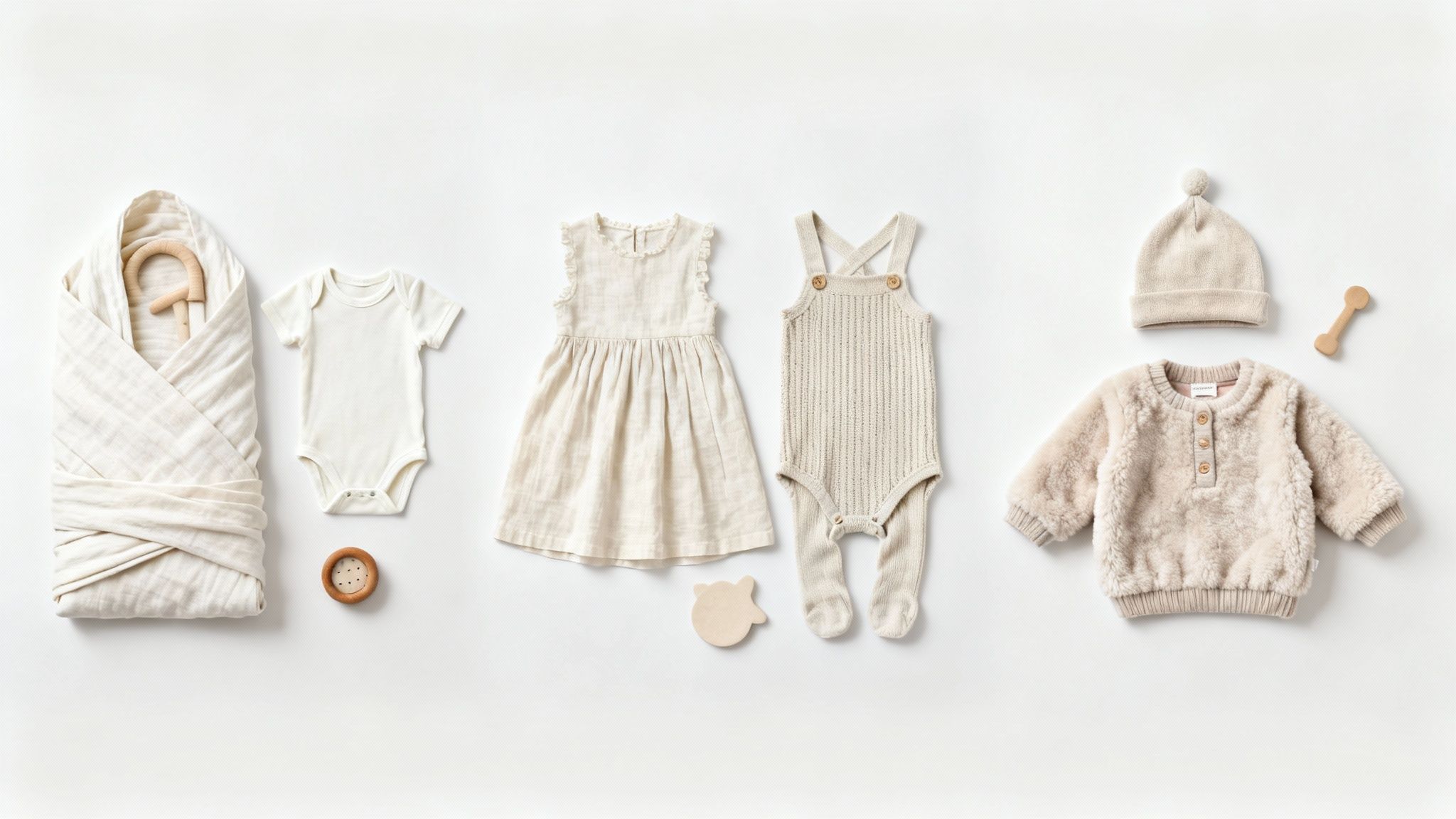
My best advice? Think about texture and tone. Soft, neutral colours are always a safe bet because they don't reflect strange hues onto a baby's delicate skin under the photographer's lights.
Here are a few ideas I love:
Fine Knits: A lightweight knit cardigan for you and a matching beanie or swaddle for your newborn adds such a beautiful, soft texture to photos.
Linen or Gauze: These natural fabrics have a gorgeous, slightly rustic feel that photographs incredibly well, especially in earthy shades like oatmeal, cream, or a soft grey.
Simple Solids: Steer clear of busy patterns or big logos. Solid colours let all those tiny details—your baby’s hands, their little feet—and your expressions really shine.
A little secret from experience: the best photoshoot outfits feel as good as they look. When you’re comfortable and relaxed, it shows in every single photo. Pick pieces that let you move and cuddle with ease.
Celebrating Firsts in Style
Beyond the photoshoot, so many other "firsts" are begging for a coordinated look. For your first holiday get-together, think seasonally. A matching set in a cosy fleece or a rich velvet is just perfect for a winter event, while lightweight cotton in a sweet festive print works beautifully for a summer celebration.
When you're introducing your baby to family and friends for the first time, a simple coordinated colour scheme is often the best way to go. Imagine a dusty rose dress for you paired with a simple onesie in the same shade for bub—it’s an effortlessly chic look that feels put-together.
If you’re looking for more ideas, browsing through a few sample baby registries can be a goldmine. Seeing how other parents are curating outfits and gifts can spark some great ideas for a wish list that truly fits your family’s style for every occasion.
Getting the Fabric and Fit Just Right
When you're scrolling through all those adorable matching outfits, it’s easy to get swept up in the cuteness. But before you click "add to cart," remember that the feel of the fabric is just as important as the look, especially for your newborn. Their skin is incredibly delicate and sensitive, so choosing the right material should be at the top of your list.
Soft, breathable, and natural fibres are your best friends here. They keep your little one comfortable, happy, and safe. Think of fabrics like organic cotton, bamboo, and merino wool as your go-to choices. These materials are famous for their gentle touch and for helping regulate body temperature, which means your baby stays cosy without getting too hot.
Your Newborn's Fabric Checklist
Before you commit to an outfit, run through this quick mental checklist. It's about more than just softness; it’s about practical safety for your baby.
Here's what to look for and what to steer clear of:
Go for Natural Fibres: GOTS-certified organic cotton is a fantastic option as it's grown without harsh chemicals, making it kinder to sensitive skin.
Dodge Scratchy Details: Sequins, rough embroidery, or stiff metallic threads might look pretty, but they can easily irritate a baby's delicate skin. It's best to avoid them.
Check the Fastenings: Make sure any buttons, zips, or press studs are attached securely. Anything loose could become a choking hazard.
Skip the Synthetics: Materials like polyester can trap heat and moisture against the skin, which can lead to rashes and general discomfort. While the Australian baby clothing market is massive, sticking to natural materials is a simple way to filter for quality. You can always read up on Australian consumer trends for more insight.
Your baby’s comfort is the ultimate style guide. If an outfit feels even a little bit rough or has fiddly bits you’re not sure about, leave it. It's not worth it, no matter how perfect the match.
Finding a Flawless Fit for Both of You
Getting the sizing right is the next piece of the puzzle. For your newborn, it’s tempting to grab the tiniest size available, but many babies grow out of "newborn" clothing in a flash.
A little insider tip? Opt for the 0-3 month size. It gives them a bit more wiggle room and ensures your special outfit gets more than one wear.
As for you, postpartum comfort is key. Your body has just done something incredible and deserves clothing that is gentle and supportive.
Postpartum-Friendly Styles to Look For:
Soft, Stretchy Robes: A matching robe and swaddle set is a classic for good reason. It’s unbelievably comfortable for you and makes skin-to-skin time a breeze.
Flowing Dresses: An A-line or empire-waist dress will drape beautifully over your midsection without feeling tight or restrictive.
Nursing-Friendly Tops: If you plan to breastfeed, look for button-fronts, wrap styles, or tops with discreet nursing access. It makes life so much easier.
At the end of the day, the best matching outfits are the ones that make both of you feel comfortable and connected. You want to look back on those photos and remember the cuddles, not an outfit that was itchy or impractical.
Adding Matching Outfits to Your Baby Registry
A matching outfit set is one of those gifts that friends and family just love to give. It’s not just another piece of clothing; it’s the promise of a future memory, like that very first family photo you’ll treasure forever.
Adding these special sets to your baby shower registry is a brilliant way to make sure you get the style and size you’ve got your heart set on. It makes it so much easier for guests to contribute to a moment they know will mean the world to you.
With a universal registry like EasyRegistry, you’re not locked into one store. You can browse literally any online shop in Australia, from tiny local boutiques to the big department stores, find a set you adore, and just add the link to your list. This kind of freedom is fantastic for finding something that truly reflects your personal style.
How to Add Specific Outfits to Your List
If you want to avoid ending up with three of the same thing or an outfit in the wrong size, the trick is to be crystal clear. When you add an item from another website, you can add notes with all the important details to guide your guests. It’s a simple step that ensures you get exactly what you pictured for those first few weeks.
Here’s how to give your guests all the info they need:
Link Directly: Pop in the specific product URL for the exact set you love.
Specify Sizes: Clearly note the size you need for yourself (e.g., "Size M") and for your little one (e.g., "Size 0-3 Months").
Mention the Colour: If the outfit comes in a few different shades, make sure to list your favourite, like "Oatmeal" or "Dusty Rose."
This level of detail removes all the guesswork for your loved ones. They can click the link, see your notes, and buy with confidence, knowing they’re getting you something you’ll actually use and cherish.
Making Pricier Gifts More Accessible
Let’s be honest—sometimes the most beautiful, high-quality sets come from boutique brands and have a price tag to match. Instead of leaving these special items off your list altogether, you can make them more affordable by setting them up as a group gift.
This clever feature lets several friends or family members chip in towards a single, more expensive item. It’s a wonderful way for everyone to feel involved without breaking the bank.
A personal note is the perfect finishing touch. Adding a short message about why a gift is meaningful can transform it from just another item on a list into a shared experience. It really helps your guests feel more connected to their contribution.
You could add a simple note like:
"We would absolutely love this matching set to wear for our newborn photoshoot! It would mean so much to capture those first family moments together."
This little touch helps people understand the sentimental value behind the gift. If you're looking for other thoughtful ideas, there are great resources that explore the best gifts for new parents out there. By guiding your guests with clear details and a heartfelt message, you make the whole experience of gift-giving joyful and meaningful for everyone.
Finding Your Style on a Budget and DIY Ideas
Creating that perfect coordinated look with your newborn doesn't have to break the bank. In fact, some of the most memorable and heartfelt matching outfits come from a bit of clever thinking rather than a big spend. You can absolutely pull off a polished, intentional style without ever buying a pre-packaged "set."
The secret? It’s all about smart shopping and getting creative with colour. Plenty of great Aussie retailers have stylish and affordable basics for both mums and babies, which makes it surprisingly easy to pull together coordinating pieces. Imagine a simple, solid-coloured knit dress for you paired with a baby onesie in the exact same shade—it’s an elegant and budget-friendly trick that looks incredibly chic.
Savvy Shopping and Colour Coordination
Forget searching for "matching sets." Instead, think about finding complementary pieces at your go-to affordable stores. Retailers like Kmart, Target, and Bonds are brilliant for finding basics in the latest seasonal colours. This approach gives you so much more flexibility and lets you pick items you'll both genuinely love and wear again.
Focus on building a simple, unified colour palette. Here are a few ideas to get you started:
Earthy Tones: Think a terracotta-coloured linen shirt for you and a simple rust or cream-coloured romper for your baby.
Soft Pastels: A dusty rose t-shirt for mum and a matching headband or pair of socks for your newborn creates a subtle, sweet link.
Classic Neutrals: You can never go wrong with shades of grey, oatmeal, or cream. These colours are timeless and always photograph beautifully.
While hard data on parent-child clothing trends in Australia is a bit sparse, the focus on individuality is a huge part of modern parenting. It’s a bit like the trends we see with other choices, like the insights into popular Australian baby names, which show how parents are always finding unique ways to express their family's story.
Get Creative with DIY Customisation
For crafty mums (or even just crafty-ish mums!), DIY is a fantastic way to create truly one-of-a-kind matching outfits. It’s not just about saving money; it’s about pouring a little extra love and personality into your coordinated look. And you definitely don’t need to be an expert to get amazing results.
Creating something by hand, no matter how simple, makes it infinitely more special. A personalised outfit becomes a keepsake, a tangible reminder of those precious, fleeting newborn days.
Here are a few easy and effective DIY ideas to try:
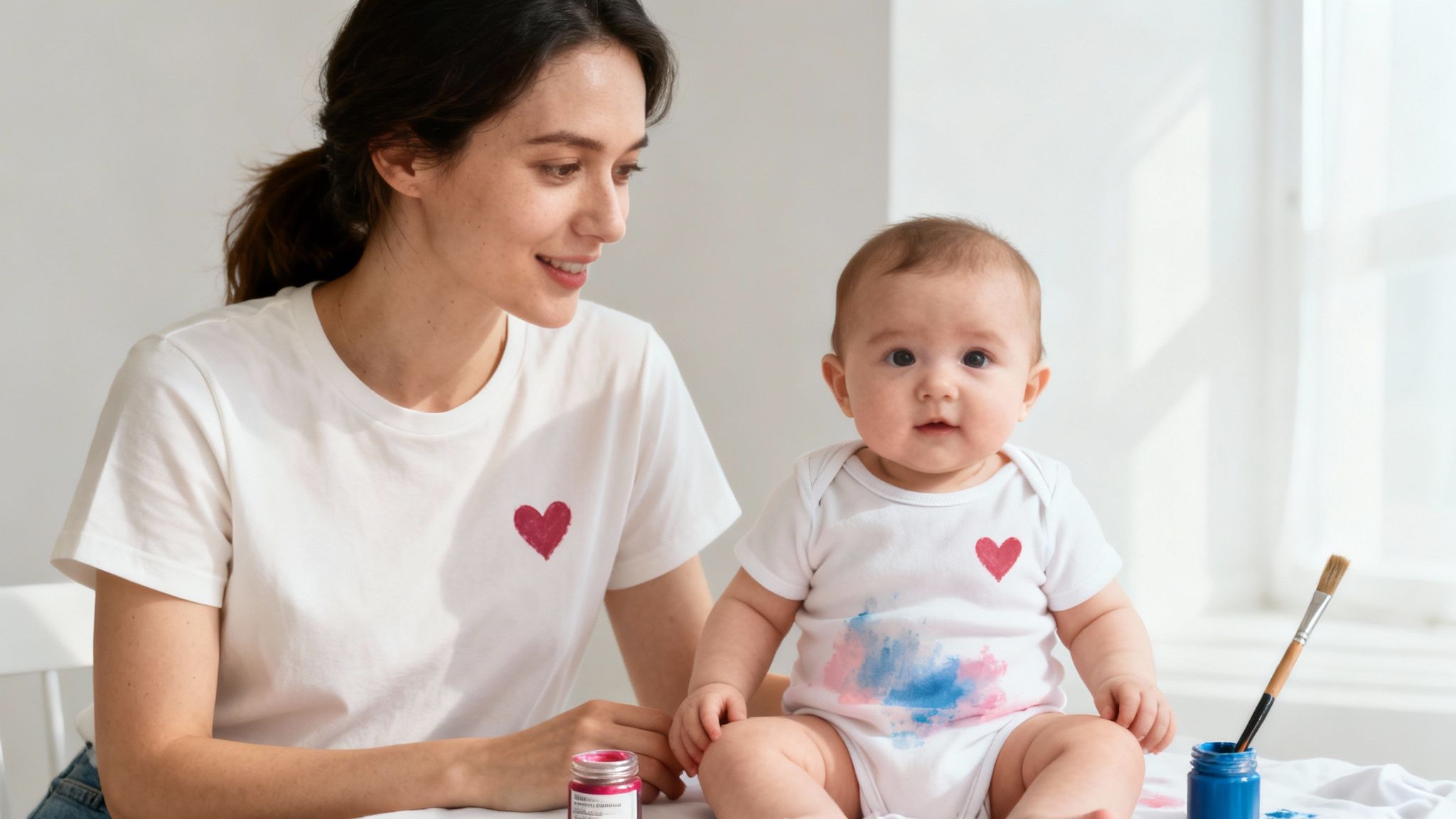
Iron-On Transfers: Buy pre-made designs online or print your own onto transfer paper. Simple graphics like hearts, stars, or words like "Mama" and "Mini" look adorable on plain t-shirts and babygrows.
Non-Toxic Fabric Paint: Grab some stencils or go freehand with a simple design. A few artistic brushstrokes or even your baby’s tiny footprint can create a beautifully personal matching set.
Tie-Dye Kits: A tie-dye project is a fun way to spend an afternoon and results in vibrant, unique patterns. Just use the same colour palette on a shirt for you and a onesie for bub for a cool, bohemian vibe.
Your Questions on Matching Outfits Answered
It's completely normal to have a few questions when you're diving into the world of matching outfits, especially with a newborn in tow! It’s such a sweet trend, but a little practical advice can go a long way. Let's tackle some of the most common queries we hear from new mums.
Where Can I Buy Matching Mum and Newborn Outfits in Australia?
You're in luck because there are so many brilliant options out there.
If you’re after a beautiful, ready-made set, brands like Bonds and Purebaby are fantastic. They often release gorgeous coordinating collections known for being super comfy and high-quality—exactly what you want for yourself and your little one.
Big department stores like Myer are also great for browsing multiple brands under one roof. But if you’re after something a bit more unique or handmade, I always recommend a deep dive on Etsy. You’ll find some incredibly talented Aussie creators making one-of-a-kind pieces.
On a budget? Don’t overlook places like Kmart and Target. While they might not sell official "matching sets," they are absolute goldmines for finding pieces in similar colours and patterns. With a bit of a creative eye, you can easily pull together your own custom look for a fraction of the price.
What Are the Best Colours for Newborn Photoshoots?
For photos that will look just as beautiful in twenty years as they do today, you really can't go wrong with soft, neutral colours. Think creamy whites, oatmeal, soft greys, dusty pinks, and muted blues.
These gentle shades are so calming and, most importantly, they won't cast strange colours onto your baby’s delicate skin. This ensures the real focus of the photo is that incredible bond between you and your newborn. Plus, they tend to look great with any home decor, so your framed photos will fit in beautifully.
Baby product trends come and go, a bit like the popular baby names in Australia, but classic colours are truly timeless. If you're curious, you can discover more insights about Australian baby trends on thememo.com.au.
How Can We Include Dad and Siblings in the Matching Fun?
Getting the whole family involved makes for the most heartwarming photos! The secret here is to aim for coordination, not necessarily identical outfits.
A simple trick is to choose a colour palette—say, navy and white, or maybe earthy tones like greens and creams—and have everyone wear something from that colour family.
Another approach that always works beautifully is having Dad or older siblings wear a solid colour that's pulled from the print you and the baby are wearing.
For example, if you and bub are in a lovely floral print that has hints of blue, Dad could pop on a solid blue shirt. It’s a simple way to look polished and connected without feeling overly staged.
This way, everyone’s personality can still shine through while you all look like a cohesive family unit. If you have more questions about setting up your gift list or other baby prep topics, our frequently asked questions page is a great resource.
At EasyRegistry, we make it simple to add those perfect matching outfits from any online store to your gift list. Create your free, universal baby registry today and let your loved ones contribute to the memories you’ll cherish for a lifetime. Start building your dream registry at https://www.easyregistry.com.au.
When you're looking for toys for a baby, the best ones are always safe, age-appropriate, and designed to support their development. Think of them as the very first tools your little one will use to learn about the world, helping them build sensory awareness, motor skills, and an understanding of how things work.
What is Purposeful Play?
Walking into a toy store or browsing online can feel completely overwhelming. The baby toy market is enormous—in Australia alone, it was valued at USD 1.55 billion in 2024 and is still growing. You can read more about the Australian baby toys market on TechschiResearch.com.
With so many choices, it helps to remember that the goal isn't just to keep your baby entertained; it's to enrich their development. Each toy is less of a distraction and more like your baby's first teacher.
That soft, crinkly book? It's an early lesson in texture, sound, and cause-and-effect. A high-contrast mobile hanging over the cot is more than just cute nursery decor—it’s a baby's first gym for strengthening their eye muscles.
The Three Pillars of a Good Toy
To cut through the noise, you can filter your choices through three simple principles. Every toy you consider should tick these boxes to make sure it's genuinely helping your baby grow and thrive.
Developmental Value: Does it stimulate their senses, encourage them to move, or spark a little bit of curiosity? The best toys meet your baby where they are, helping them hit milestones like grasping an object, tracking it with their eyes, or realising their actions can make things happen.
Safety First: Is it made from non-toxic materials? Are there any small parts that could be a choking hazard? Safety is the one area where there's no room for compromise—it always comes first.
Age-Appropriateness: A toy that’s too simple won't hold their interest for long, but one that's too advanced will just lead to frustration. The sweet spot is a toy that offers a gentle challenge, encouraging new skills without being overwhelming.
The most effective infant toys are often the simplest. They are the open-ended tools that invite curiosity and allow a baby to explore at their own pace, laying a strong foundation for future learning and discovery.
Keeping these fundamentals in mind changes how you shop for toys. It becomes less about guessing and more about intentionally supporting your child's journey. This approach also makes building a gift list much easier, as you can see from these sample baby shower registry ideas.
Playful Milestones: Matching Toys to Your Baby's Age and Stage
Choosing the right toy is like giving your baby the perfect tool right when they need it most. An infant's first year is an incredible whirlwind of growth, and their play needs change just as fast. When you match a toy to their developmental stage, you're not just keeping them busy—you're actively helping them master their next big milestone.
What fascinates a newborn is worlds away from what will capture the imagination of a 10-month-old. This journey from simple sensory exploration to more complex skills is a rapid one.
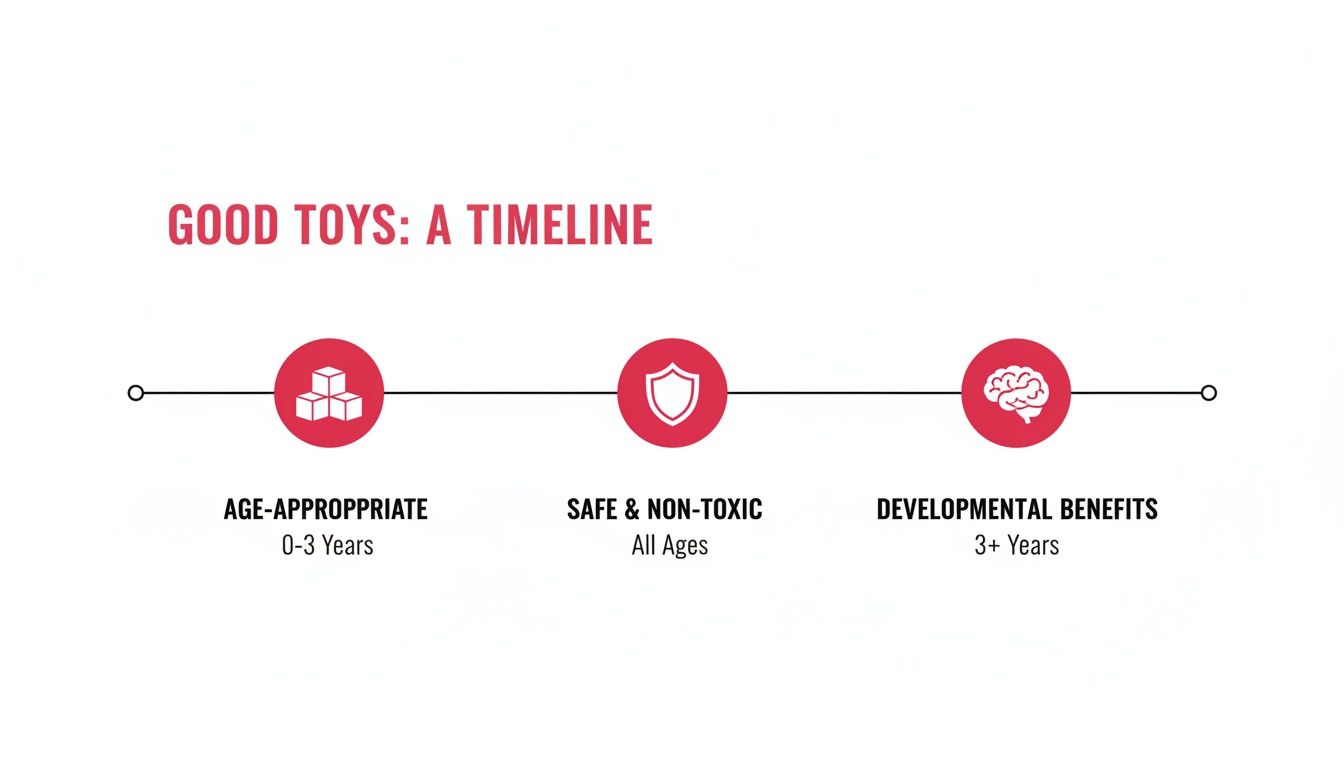
As you can see, the core ideas of choosing toys that are age-appropriate, safe, and beneficial for development are the cornerstones of a great toy box.
To make this easier, I've broken down the key stages of an infant's first year and suggested toys that really hit the mark for each one. This table offers a quick snapshot of what’s happening developmentally and which toys will support that growth.
Infant Toy Selection Guide by Developmental Stage
Age Range
Key Developmental Milestones
Recommended Toy Categories
0-3 Months
Developing vision (focuses on high-contrast), reflexive movements, tracking objects with eyes, beginning to process sounds.
Gaining motor control (grasping, reaching), exploring with hands and mouth (teething), rolling over, improved hand-eye coordination.
Activity gyms, teething rings, soft balls, crinkle books, tactile toys with various textures.
8-12 Months
Becoming mobile (crawling, pulling up), understanding cause and effect, developing object permanence, refining fine motor skills.
Stacking rings/cups, shape sorters, simple puzzles, push/pull toys, board books, large building blocks.
This table is a great starting point, but let’s dive a little deeper into what makes these toys so perfect for each stage of your baby’s incredible first year.
The First Three Months: A World of Sensation
In these early months, a baby's world is a gentle blur of shapes, sounds, and feelings. Their main job is simply learning to process all this new sensory information. Since their vision is still developing, they’re most drawn to bold, high-contrast patterns.
The best toys for this stage are wonderfully simple, designed to appeal directly to their budding senses.
High-Contrast Mobiles and Cards: The stark difference between black, white, and red is easiest for newborn eyes to see. Watching them helps strengthen their eye muscles as they learn to focus and track movement.
Soft Rattles and Wrist Shakers: A lightweight toy that makes a gentle noise is a brilliant first lesson in cause and effect. "When I shake my hand, I hear a sound!"—that's a huge cognitive connection being made.
Unbreakable Mirrors: Babies are absolutely captivated by faces, especially their own. A baby-safe mirror offers endless fascination and gently introduces the concept of self-awareness.
Four to Seven Months: The Little Explorer
This period is all about action and exploration. Your baby is gaining more control over their body—learning to grasp, reach, and maybe even roll over. And yes, everything they can get their hands on will probably end up in their mouth. This is a crucial way they explore textures and soothe their teething gums.
So, toys should now encourage these new physical skills and satisfy their oral curiosity.
A toy that encourages an infant to reach, grasp, and manipulate is doing more than just entertaining—it's building the neural pathways for fine motor skills and problem-solving that will last a lifetime.
Think about toys that give them a reason to move. An interesting object placed just out of reach can be the perfect motivation for a baby to attempt their first big roll. Activity gyms that invite kicking and batting are fantastic, as are a variety of safe, textured teething toys.
Eight to Twelve Months: The Little Scientist
By now, your infant is likely on the move, whether that’s crawling, pulling up to stand, or even taking those wobbly first steps. They've turned into little scientists, completely fascinated by cause and effect, object permanence (the idea that things still exist even when hidden), and how different objects fit together.
This is where educational toys really start to shine. In Australia, the market for pre-schooler toys is booming, with a projected 5.36% compound annual growth rate. It shows just how much parents value toys like shape sorters and stacking cups for building cognitive skills during this critical window of brain development. You can see more data on the Australian toy market at Mordor Intelligence.
Stacking Rings and Cups: These classics are perfect for developing hand-eye coordination and introducing early concepts of size and order.
Shape Sorters and Simple Puzzles: These challenge their problem-solving abilities and teach them about spatial relationships in a hands-on way.
Push and Pull Toys: As they become more mobile, toys they can push or pull along offer a bit of support and make practicing their new movement skills even more fun.
The Essential Infant Toy Categories for Every Nursery
While it's smart to match toys to a specific age, it’s even better to understand the types of toys that help your baby grow. Think of it like stocking your kitchen: instead of just buying ingredients for one specific recipe, you fill your pantry with staples you can use for all sorts of meals.
Having a good mix of toy categories ensures you're supporting all the different ways your baby is learning and developing. It keeps playtime fresh and interesting, covering all the bases from their tiny fingers to their growing brain.
Sensory Development Toys
From the moment they're born, babies are little explorers, learning about their world through sight, sound, and touch. Sensory toys are built to fire up these senses in a way that’s engaging but not overwhelming. They really are the building blocks of early learning.
Sight: A newborn’s vision is still fuzzy, which is why they’re so fascinated by high-contrast patterns in black, white, and red. Unbreakable mirrors are also a huge hit, helping them track movement and start to recognise that cute face staring back at them.
Sound: Simple toys like soft rattles or books with crinkly pages give instant feedback. This is your baby’s first lesson in cause and effect: "Hey, when I shake this, it makes a cool noise!"
Touch: Giving your baby a variety of textures is so important. Think smooth wood, bumpy silicone teethers, and soft, cuddly fabrics. All that touching and feeling is crucial for building their sensory processing skills.
Building a diverse sensory toy collection is like creating a small, safe laboratory for your baby. Each texture, sound, and pattern is a new experiment that helps them understand how the world works.
Motor Skill Development Toys
Motor skills fall into two main groups. Gross motor skills are the big movements, like rolling over, sitting up, and crawling. Fine motor skills are the more delicate ones, using the small muscles in their hands and fingers to grab and explore.
The best infant toys often work on both at the same time. A play gym, for instance, encourages a baby to kick their legs and reach with their arms (gross motor), but grabbing and holding onto the hanging toys is all about fine motor control. As they get older, things like stacking rings and simple shape sorters are perfect for honing those precise hand movements.
Cognitive and Communication Toys
These are the "thinker" toys. They get your baby's brain working by introducing big ideas like object permanence (peek-a-boo is more than just a game!) and problem-solving (how does this round block fit into the round hole?). Stacking cups and basic puzzles are classics for a reason—they build these foundational skills in a really fun way.
Don't forget communication! Soft cloth books or sturdy board books are powerful tools. Reading to your baby right from the start helps them tune into the rhythm and sounds of language. Pointing to pictures as you name them lays the groundwork for their very first words.
Once you have selected the essential infant toy categories for your nursery, a crucial next step is finding the best toy storage solutions to keep everything organised and accessible. A tidy play space not only reduces clutter but also helps prevent overstimulation, allowing your baby to focus on one or two toys at a time.
Safety First: Your Checklist for Non-Toxic Infant Toys
While it’s exciting to think about all the developmental benefits of toys, nothing trumps safety. Babies explore the world with their hands and, inevitably, their mouths. This means every single toy that comes into your home needs to be safe and non-toxic—an absolute non-negotiable for any parent or gift-giver.
Good toys for infants are designed with this in mind, but it’s still so important to know what to look for yourself. Building the confidence to quickly assess any toy, whether it's fresh out of the box or a treasured hand-me-down, brings incredible peace of mind. A simple mental checklist is all you need to spot potential hazards in a heartbeat.
Think of yourself as your baby's friendly detective. Your mission is to inspect the evidence before it ever enters the play zone. This doesn’t have to be a stressful task; once you know the key things to look for, it becomes second nature.
The Non-Negotiable Safety Checks
Before a toy ever gets near your baby, give it a quick once-over for physical hazards. These are the most common red flags, based on guidelines from safety authorities like the Australian Competition and Consumer Commission (ACCC).
Choking Hazards: This is the big one. A great rule of thumb is the old 35mm film canister test—if a toy or any part of it can fit inside, it’s too small for a child under three. Be on the lookout for loose buttons, tiny accessories, or any small pieces that could easily break off.
Strings and Cords: Any toy with a string, cord, or ribbon longer than 30 cm is a potential strangulation risk. Pay close attention to this on cot mobiles or pull-along toys.
Sturdy Construction: Give the toy a good squeeze and a firm tug. Does it feel flimsy? Could it crack under pressure and create sharp edges? Quality toys are built to handle the enthusiastic (and let’s be honest, sometimes rough) reality of infant play.
Decoding Materials and Labels
Beyond the physical structure, what a toy is made of is just as critical. Since babies will chew and suck on pretty much everything, you need to be confident the materials are safe.
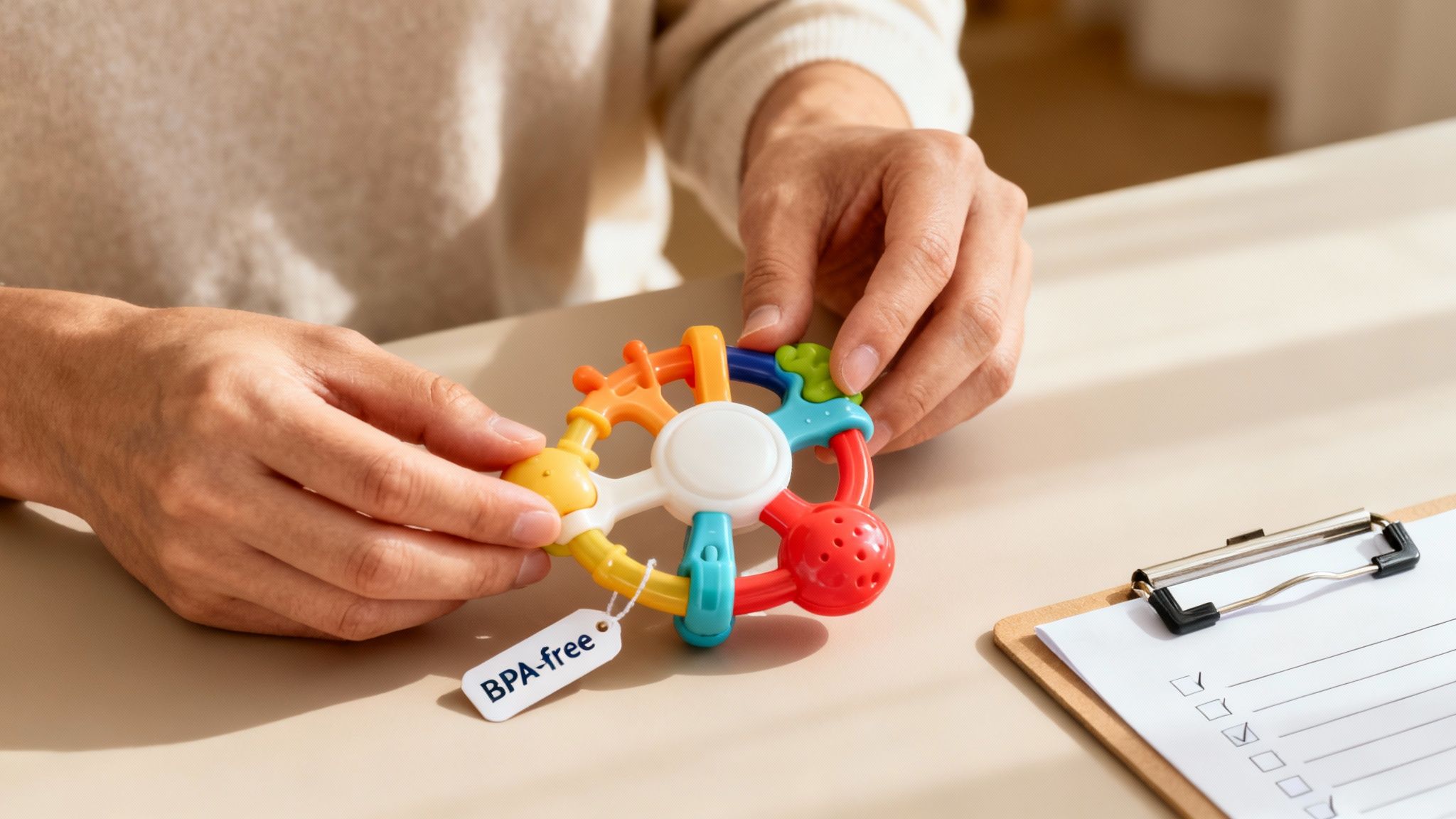
Look for clear labels on the packaging that give you the all-clear on toxicity. Key terms to spot include:
BPA-Free: Bisphenol A is a chemical that has been linked to health concerns, so it's one to avoid.
Phthalate-Free: These chemicals are often used to make plastics more flexible but have no place in infant toys.
Non-Toxic Paint: For any painted toys, make sure they use water-based, non-toxic paint that won’t chip or flake off into your baby's mouth.
When in doubt, you can't go wrong with trusted brands known for their high safety standards. Or, even better, choose toys made from naturally safe materials like unfinished wood, 100% natural rubber, or food-grade silicone. This simple approach takes a lot of the guesswork out of the equation.
Getting a handle on these safety basics is empowering. It gives you the confidence to create a secure play environment and makes building out your gift list, like a thoughtfully curated baby shower registry, a much less daunting task.
How to Build the Perfect Baby Toy Registry with EasyRegistry
Now that you know what to look for at each stage, you can turn your baby registry from a simple shopping list into a brilliant roadmap for your little one's first year of play. A flexible platform like EasyRegistry makes this a breeze, helping you steer friends and family towards gifts that you’ll actually use and treasure.
Instead of just adding a dozen specific toys, think bigger. The secret is to organise your registry by developmental needs. This clever trick helps you avoid getting five of the same teether while making sure your baby has a great variety of toys as they grow.
As you build out your registry, it's always a good idea to cross-reference a guide on the best baby registry items to make sure you’ve covered all the essentials alongside these purposeful playthings.
Create Developmental Toy Categories
One of the smartest ways to set up your registry is to create custom categories. This approach gently guides your guests towards a type of gift rather than a specific product, ensuring your baby ends up with a wonderfully well-rounded collection.
Think about creating wish list items like these:
"Sensory Starters (0-3 Months)": Guests can contribute to this fund for things like high-contrast cards, gentle rattles, or a soft, textured play mat.
"Motor Skills Movers (6-9 Months)": This category could pool funds for stacking rings, simple shape sorters, or classic push-along toys.
"Our First Library Fund": What a beautiful way to ask for help building a collection of classic board books for bedtime stories!
This method gives your loved ones total flexibility in how much they want to spend, and you can rest easy knowing every gift is contributing to your baby's development. Here’s a little peek at how you can set up these categories on an EasyRegistry page.
You can see how a "wish" is created for a category like "Baby Toys" with a goal amount, which lets lots of people chip in.
Add a Toy Fund for Bigger Items
Let's be honest—some of the best developmental toys don't come cheap. A beautiful wooden play gym or a Pikler triangle can be a big ask for one person. That’s where group gifting really shines.
With EasyRegistry, you can create a dedicated "Toy & Play Equipment Fund." This is perfect for those big-ticket items, allowing friends and family to contribute whatever amount they feel comfortable with towards one amazing gift. It’s a wonderful way to get those investment pieces without putting the burden on a single person.
Pro Tip: When you set up a fund, add a short, sweet note explaining what it's for. Something like, "Help us create a safe and fun space for tummy time adventures with a beautiful play gym!" A personal touch makes guests feel so much more connected to their gift.
Setting up your registry this way makes the whole experience easier and more meaningful for everyone. To see all the features in action, you can learn more about how EasyRegistry works and get started on your own list today.
Your Top Questions About Baby Toys Answered
Even with the best advice, it’s normal to have a few lingering questions when you’re standing in a toy aisle (or scrolling online). Let’s tackle some of the most common queries I hear from new parents and well-meaning gift-givers.
How Many Toys Does a Baby Really Need?
Honestly, less is more. Babies don't need a mountain of toys to be happy and engaged. In fact, too many choices can be overwhelming for their developing brains. It’s all about quality over quantity.
A thoughtfully chosen collection of 5-8 age-appropriate, open-ended toys will do far more for your little one than a room full of flashy gadgets. A great tip is to rotate them. Keep a few out for a week, then swap them for others you’ve stored away. This simple trick keeps things feeling new and exciting without creating sensory overload.
Are Second-Hand Toys Safe for Babies?
Hand-me-downs and op-shop finds can be fantastic—they’re budget-friendly and sustainable. But when it comes to babies, safety is absolutely non-negotiable. Before you hand over a pre-loved toy, give it a thorough once-over.
Look closely for:
Cracks, splinters, or any sharp edges.
Small parts that have come loose or could easily break off.
A sticker or label indicating it meets current Australian safety standards, as very old toys might not.
Be extra cautious with painted toys, especially anything made before the 1970s, as the paint could contain lead. Hard, non-porous toys like plastic blocks or wooden rings are your best bet because you can sanitise them effectively.
My rule of thumb for second-hand items is simple: if you can't clean it properly, skip it. This is especially true for plush toys, which can hide dust mites and mould if they haven’t been stored or washed correctly.
When Should I Introduce Electronic Toys?
It’s tempting, I know. The shelves are packed with toys that light up, sing, and talk. But for early development, simpler is almost always better. The best toys are the ones that are 10% toy and 90% baby—meaning the baby has to do all the work.
Think about it: they have to shake the rattle to hear the noise, or figure out how to stack the rings. These simple actions are building crucial connections in their brain. Toys that do all the work with flashing lights and constant sound can teach a baby to just watch, rather than act. If you do opt for an electronic toy, look for one that teaches cause and effect, like a button that plays a simple, soft tune when pressed.
How Often Should I Be Cleaning My Baby’s Toys?
Since just about everything ends up in a baby’s mouth, keeping toys clean is a must. Your cleaning schedule really depends on the toy and how much action it sees.
Here’s a practical routine to follow:
Daily: Give teethers and any other "mouth-heavy" toys a quick wash.
Weekly: Wipe down hard plastic and wooden toys. A simple solution of vinegar and water or a baby-safe cleaning spray works perfectly.
As Needed: If a toy hits the floor at the supermarket, gets covered in drool during a playdate, or has a food-related incident, clean it right away. Soft toys can usually be tossed in the washing machine every couple of weeks.
Ready to create a wish list that’s as smart and thoughtful as you are? With EasyRegistry, you can build a flexible baby registry with categories for developmental toys, group gift funds, and anything else your growing family needs. Start Your Free Baby Registry Today
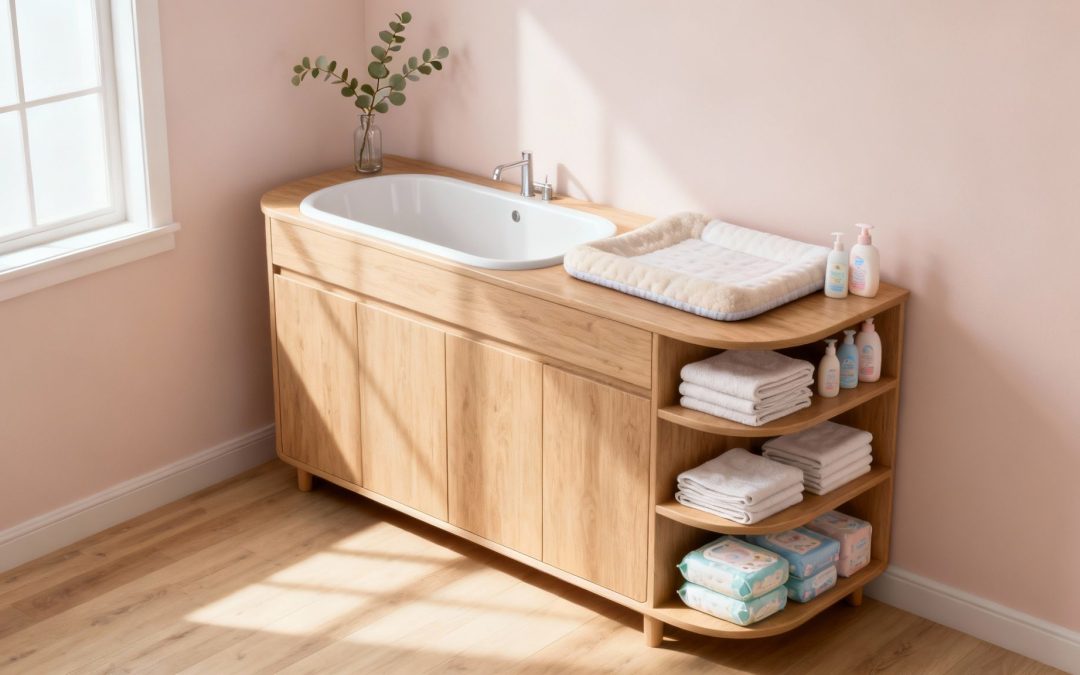
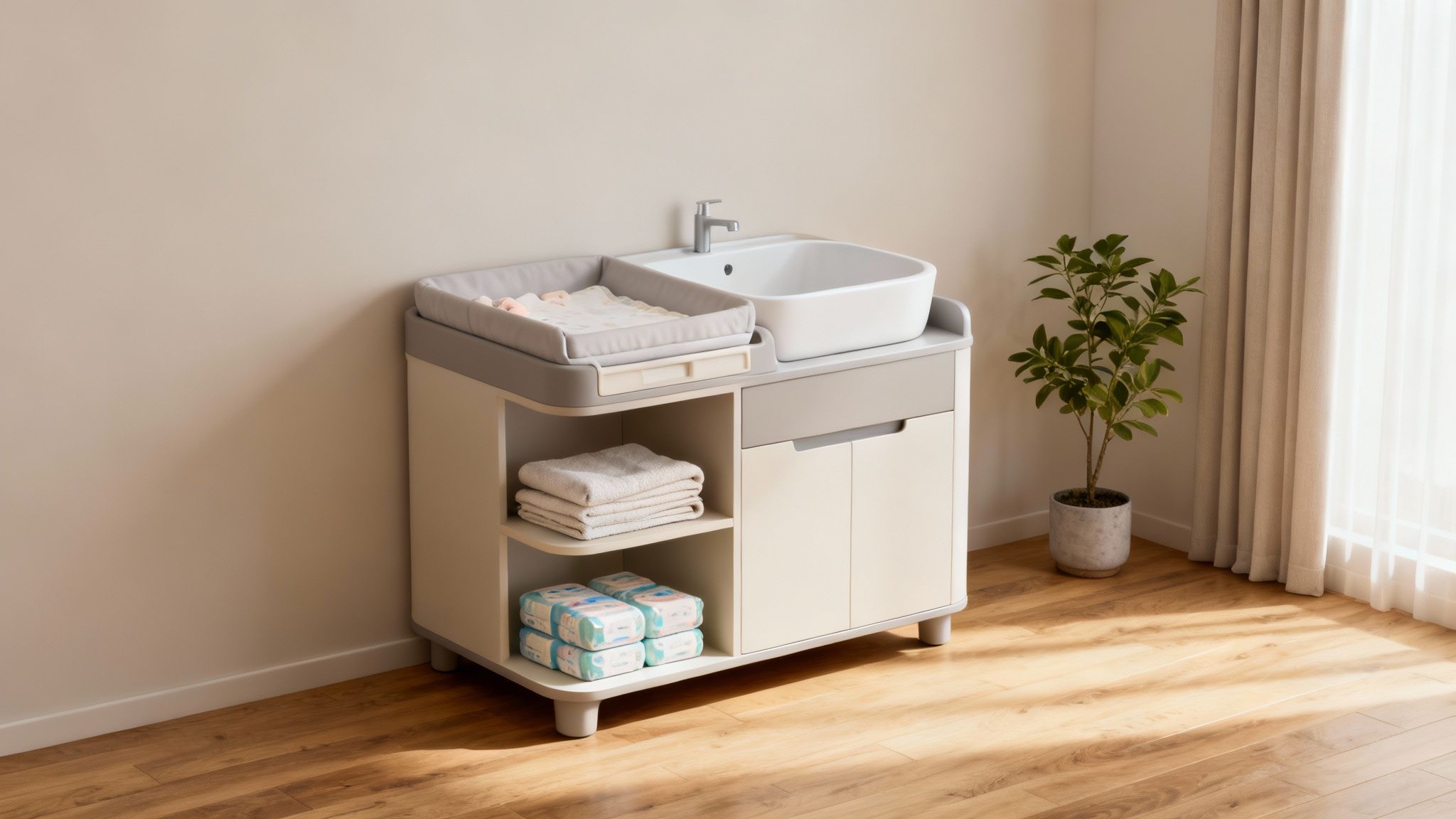
So, what exactly is a baby change table with a bath? It’s a clever piece of nursery furniture that pulls double duty, combining a changing station on top with a hidden baby bathtub underneath. Think of it as the Swiss Army knife for your nursery – one compact unit designed to handle two of the biggest daily tasks with a newborn.
Why a Change Table with a Bath Is a Nursery Game Changer
Bringing a newborn home is incredible, but it also throws your old routines out the window. You’ll be doing countless nappy changes and giving daily baths, which means a lot of time spent on baby care. This is where a combo unit really shines, creating a central command centre for all things clean and comfy.
It’s a bit like having a multi-cooker in the kitchen; it takes several functions and packs them into one efficient appliance. Instead of trying to find space for a separate change table and a bulky baby tub, you get both in a single, neat package.
Streamlining Your Daily Routine
The real magic of these units is just how convenient they are. Everything you need for a nappy change or a bath is right there, organised in one spot. No more frantic dashes to the bathroom to fill a tub or rummaging for wipes while keeping one hand on a wriggly baby. This all-in-one approach helps create a calmer, more predictable routine for both you and your little one.
This integrated design isn't just a clever idea; it's part of a growing trend in nursery furniture that focuses on multi-functionality and efficiency to save parents precious time and energy.
The demand for practical, hygienic baby gear is huge. The global market for baby changing stations is valued at USD 20.80 billion and is expected to keep growing, which shows just how much parents are looking for smart solutions. You can dig into more details on the nursery furniture market on Statista.
Maximising Your Nursery Space
For many Australian families, especially those in apartments or cosier homes, space is at a premium. A change table and bath combo is a brilliant way to tackle this. By merging two bulky items into one, you free up valuable floor space, making the nursery feel bigger and less cluttered.
Here’s how it helps:
Reduced Footprint: It takes up the room of just one piece of furniture, not two.
Centralised Storage: Most models come with built-in shelves or caddies, so all your nappies, creams, and towels have a home.
Back-Saving Design: The real winner. Both the change mat and the bath are at a comfortable height, which saves you from constantly bending over. Your back will thank you
The Non-Negotiables: What Makes a Great Change Table and Bath Combo?
When you’re picking out a baby change table with a bath, it's about so much more than just matching the nursery decor. Think of this piece of furniture as your daily command centre—the spot where countless nappy changes and bath times will happen. Getting this choice right from the start means less stress, smoother routines, and more peace of mind.
At first glance, most models can look pretty similar. But as any experienced parent will tell you, the devil is in the details. It's those small differences that separate a wobbly, frustrating station from a sturdy, reliable workhorse. Let's walk through exactly what you need to look for.
Safety First, Always
This is the big one. Nothing is more important than your baby's safety, and that starts with a rock-solid foundation. A wobbly change table is every parent's worst nightmare, so give any potential model a gentle shake. It should feel sturdy and robust, not like it might give way.
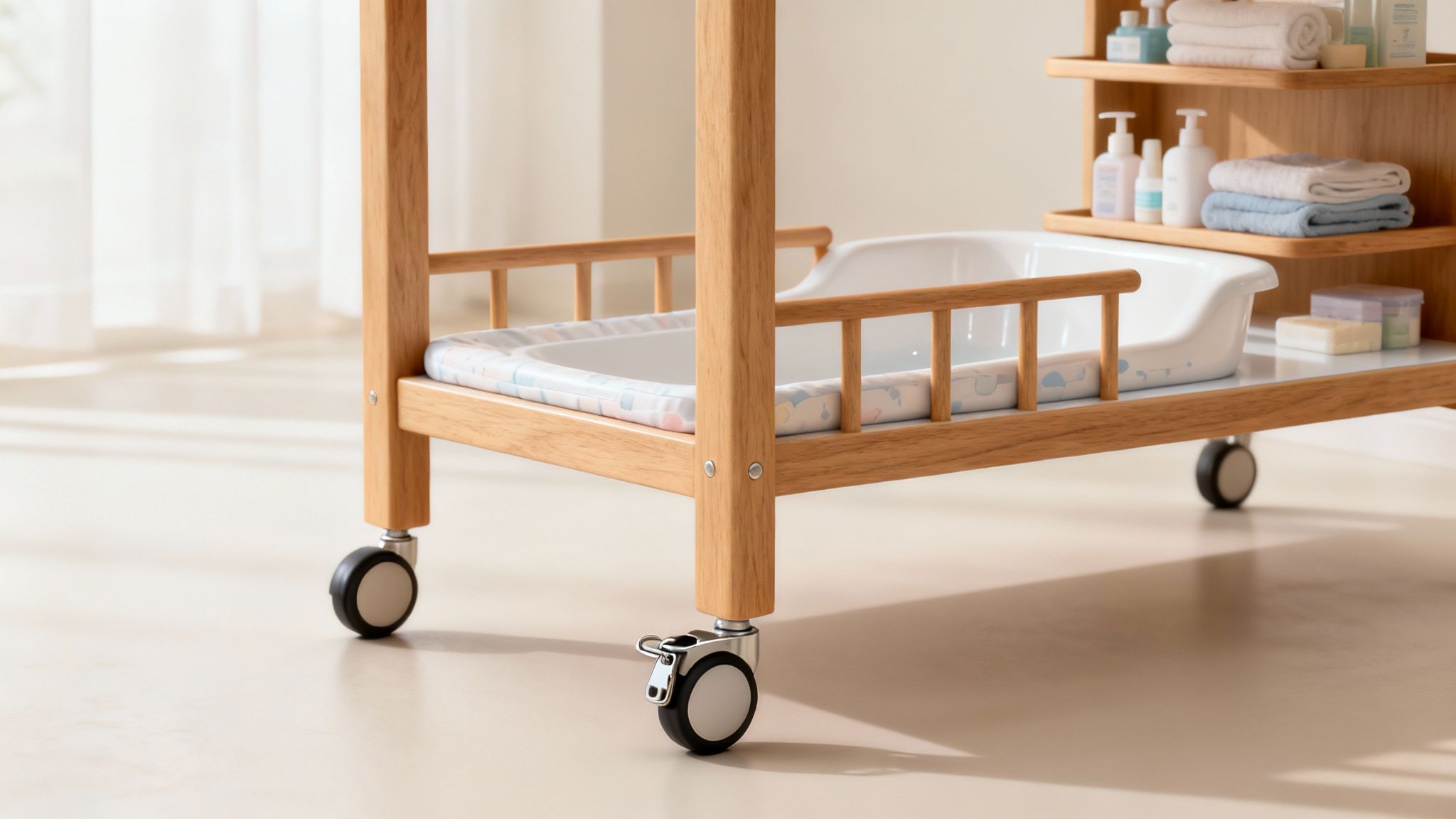
Many of these units come with wheels, which is fantastic for moving them between the nursery and the bathroom. But wheels need to be managed. Check that they have strong, easy-to-use locking mechanisms. This is crucial to prevent the station from rolling away mid-change.
Beyond the frame, the changing mat itself needs a close look:
Raised Edges: The mat should have high, contoured sides that act as a gentle barrier, helping to stop your little one from rolling.
Secure Fit: Make sure the mat is securely fastened to the table. It shouldn't slip or slide around when you apply a bit of pressure.
A quick but vital reminder: The golden rule is to always keep one hand on your baby. No safety feature, no matter how clever, is a substitute for your direct supervision.
Getting the Size and Fit Right
Before you click "add to cart," grab a tape measure. These combo units can be surprisingly bulky, and the last thing you want is a piece of furniture that overwhelms the room. Measure the space where you plan to put it, making sure you leave enough room to walk around it comfortably and access all the shelves.
The height of the table is just as important—for your sake! A station that’s too low will have you hunched over multiple times a day, which is a recipe for back pain. Look for a height that lets you stand comfortably without stooping.
Finally, think about the long haul. Check the manufacturer's recommended weight and age limits. Babies grow at an astonishing rate, so picking a model with a higher weight capacity means your investment will last well beyond those first few newborn months.
Smart Storage and Hassle-Free Cleaning
A well-organised change station is a game-changer. You need all your essentials—nappies, wipes, creams, towels—within arm's reach at all times. Look for designs that offer clever storage like tiered shelves, side caddies for lotions, or deep trays. When everything has its place, you’ll never have to turn your back on your baby to find something.
And then there's the clean-up. Let's be honest, things are going to get messy! The best change tables are made from materials that are easy to clean. Look for waterproof, non-porous surfaces on both the changing mat and the bath. This not only makes wiping up spills a breeze but also prevents mould and mildew from building up. A quick wipe with a baby-safe cleaner should be all it takes to keep it hygienic.
To make comparing your options a little easier, here's a quick checklist of the key things to keep in mind.
Checklist for Choosing Your Baby Change Table with Bath
This table is a handy reference to pull up when you're browsing online or in a store. It'll help you quickly evaluate each model to see if it ticks all the right boxes for safety, practicality, and longevity.
Feature
Why It Matters
What to Look For
Sturdy Frame
Prevents wobbling and ensures the unit is stable and safe for your baby.
Solid wood or durable metal construction. Give it a gentle shake to test for stability.
Locking Wheels
Stops the station from moving unexpectedly while your baby is on it.
At least two wheels with strong, easy-to-engage locks that click firmly into place.
High Safety Rails
Helps prevent your baby from rolling off the changing surface.
Contoured, raised edges on the changing mat, at least 10 cm high.
Appropriate Height
Protects your back from strain during frequent nappy changes and baths.
A surface height that allows you to stand upright without bending over (typically 85-95 cm).
Weight/Age Limits
Ensures the unit can safely support your baby as they grow.
A high weight capacity (e.g., 11-15 kg) to last through the first year and beyond.
Ample Storage
Keeps all your essentials within arm's reach so you never have to leave your baby.
Multiple shelves, side caddies, or trays for nappies, wipes, creams, and towels.
Waterproof Materials
Makes cleaning easy and prevents the growth of mould and mildew.
A vinyl or PVC-coated changing mat and a non-porous plastic tub.
Using this checklist will give you the confidence that you’re not just buying a piece of furniture, but a safe, practical, and long-lasting hub for your baby's daily care.
Setting Up Your Change Station for Safety and Convenience
So, you’ve picked out the perfect baby change table with bath. Great! Now it’s time to turn that flat-packed box into a safe, functional, and stress-free hub for you and your bub. Getting the placement and assembly right is just as crucial as the features you chose.
Think of it as setting up your command centre. Everything needs to be secure, stable, and within easy reach.
Finding the Right Spot
First things first, scout out the ideal location. This isn't just about what looks best in the nursery; it’s about creating a truly secure environment. The golden rule is to place the change table flat against a solid wall. This simple step adds a huge amount of stability and stops it from wobbling or tipping.
Make sure the spot you choose is well clear of any potential hazards. This means keeping it away from:
Windows and Blinds: Steer clear of windows to avoid drafts and, more importantly, to keep dangling blind cords well out of reach.
Heaters and Vents: Direct heat or air conditioning can make your baby uncomfortable during changes and baths.
Electrical Cords: Ensure there are no power cords nearby that a curious baby could grab.
Assembling for Stability
This is where you need to pay close attention. Proper assembly is the foundation of a safe change station. Follow the manufacturer's instructions to the letter, making sure every screw is tight and every piece is locked in securely. A wobbly table is a dangerous table, and this often happens when it's built on an uneven floor, so check that first.
Before you even think about putting your baby on it, give the assembled station a good, firm nudge from a few different angles. It shouldn't budge. If it wobbles at all, go back and double-check every connection.
This focus on stability and smart design is a big deal in the world of nursery furniture. It's interesting to see that while freestanding units are common, wall-mounted stations now make up 35-36.4% of the global market. This really shows how much parents value space-saving designs, especially here in Australia where rooms can be on the smaller side.
Mastering the Bath Component
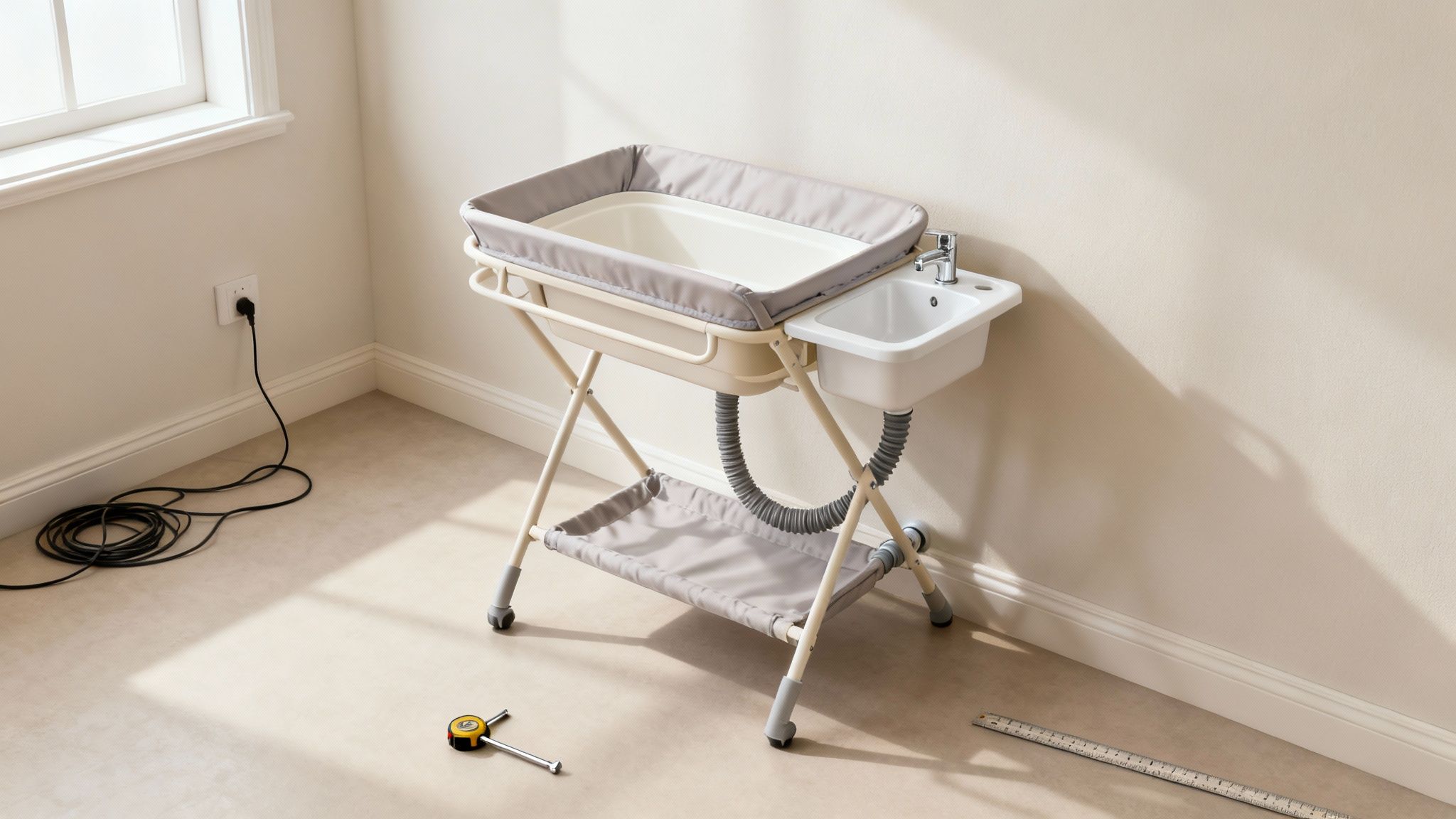
The built-in bath is a game-changer, but it pays to have a plan for filling and draining it. Most models come with a handy drainage tube—this is your best friend for avoiding a mini-flood in the nursery. Before you start, pop a bucket underneath the tube so you can catch the water and dispose of it easily.
When it's time to fill the tub, a detachable shower head is a lifesaver if your station is near a bathroom. If not, a large jug or a clean bucket does the job just fine. A little prep work makes bath time a smooth, enjoyable experience instead of a chaotic, splashy mess.
Having everything you need organised and nearby is the key to a safe and functional area. Many parents find that learning how to organise kids' essentials effectively helps keep the whole nursery tidy and safe.
Is a Combo Change Table Right for Your Family?
Figuring out the perfect nursery setup is a really personal journey. What feels like a lifesaver for one family might not click with another. The baby change table with a bath is one of those clever inventions that can be a game-changer, but it’s worth taking a moment to weigh up the good against the not-so-good to make sure it’s a choice you'll be happy with.
Let’s get into the nitty-gritty to see if this all-in-one station is the right fit for your home and lifestyle.
The Big Advantages
The most obvious win here is how much space it saves. If you’re in an apartment or just have a cosy nursery, combining two pretty bulky items into one footprint is a massive plus. It instantly frees up floor space, making the whole room feel bigger and less cluttered.
Another huge pro is how much it saves your back. Anyone who has bathed a newborn in the family tub knows the pain of kneeling on a hard tile floor and hunching over. An elevated bath brings your little one up to a comfortable waist height, making bath time a far more pleasant, ergonomic experience for you.
Space Efficiency: It combines two large items, which is a dream for smaller rooms.
Ergonomic Design: The raised tub means no more sore knees or an aching back for you.
Centralised Care: Everything you need for nappies and baths is right there in one handy spot.
The Potential Drawbacks
On the flip side, there are a few trade-offs to think about. The biggest one is probably the limited lifespan of the integrated bath. Most babies will be too big for these little tubs by the time they’re 6 to 12 months old, or once they can sit up confidently on their own. After that, you're left with just a change table, which might not feel like the best value for your initial investment.
There's also a practical snag: you can't use both features at the same time. When the bath is in use, the change mat is flipped up and out of the way. This means you’ll need another safe, dry spot ready to go for drying and dressing your baby afterwards, which can kind of interrupt the seamless flow you were hoping for.
It's crucial to weigh the short-term convenience of an all-in-one unit against the long-term utility of separate, more adaptable pieces of furniture. This will help clarify what truly offers the best value for your family's needs.
Ultimately, the best choice really boils down to your priorities. If you’re tight on space and the thought of an easier, back-friendly bath time for those first few months sounds amazing, a combo unit could be a fantastic solution. But if you prefer furniture that will last longer or you have the space to spare, separate pieces might be the better way to go.
How to Add Your Perfect Nursery Items to a Baby Registry
So, you’ve done all the research and picked out the perfect baby change table with bath. Now for the fun part: adding it to your wish list so friends and family can celebrate with you.
Creating a baby registry should be an exciting part of the journey, not a stressful one. Using a platform like EasyRegistry lets you pull all your dream items from any Australian store into one simple, shareable list. It's a game-changer.
This means you aren't locked into one shop's selection. If you’ve found the ideal change table at one place but your dream car seat is somewhere else entirely, you can pop both onto the same list. This kind of flexibility is amazing because it means you get exactly what you’ve spent all that time choosing for your little one, without having to compromise.
Adding Gifts from Any Store
It’s actually incredibly simple to do. Just find the item you love online, copy the webpage address (the URL), and paste it straight into your EasyRegistry. The system then automatically grabs all the important details—like the product name, price, and a picture—and organises it neatly for your guests.
This takes all the guesswork out of it for your friends and family and makes sure you don't end up with three of the same bouncer!
Think of a registry as your own personalised baby shop. You're curating a list that guides your loved ones to the things you genuinely need, which makes their gift-giving easier and way more meaningful.
Creating Cash Funds for Big-Ticket Items
But what about those bigger investments, like the change table itself or a top-of-the-line pram? Sometimes asking for one big-ticket item can feel a bit awkward. This is where a cash fund is the perfect solution.
Instead of one person having to shoulder the whole cost, friends and family can chip in an amount they’re comfortable with. It’s a really lovely way for everyone to feel like they’re part of gifting you something significant and truly helpful.
This approach fits right in with how Aussie families are shopping these days. Online sales for baby gear, including changing tables, jumped by 34% after the pandemic as parents embraced the convenience of shopping from home.
When you're putting your list together, it’s always a good idea to create a comprehensive wishlist to make sure it’s easy for everyone to use.
Ultimately, a well-thought-out registry just makes life simpler for everyone, letting you focus on the most important thing: getting ready for your new baby. For more handy tips, check out our guide to creating the perfect baby shower registry.
Common Questions About Change Tables with Baths
Even after weighing up all the pros and cons, it’s completely normal to have a few questions buzzing around before deciding if a baby change table with a bath is right for your nursery. It’s a pretty unique piece of furniture, so let’s tackle some of the most common queries we hear from Aussie parents.
Think of this as your final checklist to help you feel totally confident in your choice.
How Long Can My Baby Use the Integrated Bath?
The built-in bath is really designed for those precious early months. It’s usually perfect for newborns up until they’re about 6 to 12 months old.
The big milestone to watch for is when your baby can sit up confidently by themselves. That’s generally the sign they’re ready to graduate to the big tub. Of course, always double-check the manufacturer’s specific age and weight limits. Once they’ve outgrown the bath, the unit simply carries on as a fantastic, spacious change station.
Are These Combination Units Considered Safe?
Yes, they are, provided they’re used correctly. Safety starts with a good design, so keep an eye out for models with a sturdy frame, high sides on the changing area, and wheels that lock firmly in place. These features are designed to create a stable, secure space for your little one.
The golden rule of safety, though, is constant supervision. Never, ever leave your baby unattended on the change table or in the bath—not even for a split second. Keeping one hand on your baby at all times is the best safety practice there is.
What Is the Best Way to Clean the Unit?
Keeping everything clean and hygienic is actually quite simple. After bath time, just drain the water completely and give the tub a quick wipe-down to make sure it’s dry. For the changing mat and the frame itself, a soft cloth with a mild, baby-safe cleaner is all you’ll need to handle any messes.
It's best to steer clear of harsh or abrasive chemicals, as they could damage the surfaces or irritate your baby’s sensitive skin. It’s also a good idea to periodically check that all the screws and fittings are nice and tight, just to make sure the unit stays solid and stable.
Ready to create a baby registry that’s as practical as it is personal? With EasyRegistry, you can add any item from any Australian store, all in one place.
When we talk about unique marriage gifts, we're really talking about moving beyond the physical stuff. It’s less about objects and more about shared experiences, a helping hand towards a big life goal, or a personalised keepsake that tells the couple’s one-of-a-kind story. The focus here is on meaningful memories and practical support, not just another item for the house.
Why Traditional Wedding Gifts Are Fading Out
The whole landscape of wedding gifting has really transformed. The days when a registry was just a long list of fine china, crystal glasses, and shiny new toasters are pretty much behind us. And for good reason—the lives of modern couples have changed, too.
Here in Australia, it’s quite common for couples to have already lived together for years before they decide to tie the knot. Their homes are usually set up, filled with all the essential appliances, linen, and kitchen gadgets. While the thought is always appreciated, another set of towels or a duplicate blender can miss the mark on what they actually need.
The Move Towards More Meaningful Giving
Couples today are all about gifts that genuinely connect with their future plans and personal passions. Think of it this way: a traditional gift can sometimes feel like a generic greeting card, but a unique gift is like a heartfelt, handwritten letter that speaks directly to the couple. It shows you’ve really thought about who they are and what they’d love.
This modern approach has thrown the doors wide open for creative and genuinely helpful gift-giving, focusing on things like:
Creating Memories: Experiences are huge. A weekend away, a cooking class for two, or tickets to see their favourite band will be remembered long after the wedding cake is gone.
Building a Future: A contribution towards a house deposit, a fund for renovations, or helping them get to their dream honeymoon can make a real, tangible difference.
Celebrating Their Story: Personalised gifts that reflect who they are—from custom artwork of their favourite spot to an engraved memento—become treasured symbols of their relationship.
A truly unique gift for a marriage isn't measured by its price tag; it's about the personal thought and meaning you pour into it. It’s a way to celebrate their journey and contribute to their next chapter in a way that feels genuinely supportive.
At the end of the day, guests now have the chance to give something that won’t just collect dust on a shelf. Instead, it can become a real part of the couple's shared story. This makes the act of giving so much more personal for the guest and far more impactful for the newlyweds.
What Really Makes a Marriage Gift Unique?
When we hear the phrase "unique wedding gift," our minds often jump to quirky, one-of-a-kind items. But a truly unique gift isn’t just about being different for the sake of it.
Think of it this way: a generic gift is like an off-the-rack suit. It fits, it does the job, but it wasn't made for anyone in particular. A genuinely unique gift, on the other hand, is custom-tailored. It’s crafted to perfectly suit the couple, their story, and their life together.
It’s less about the object itself and more about the thought behind it. A unique gift sends a clear message: "I see you, I know what you’re about, and I want to contribute to your happiness." That sentiment is what turns a simple present into a cherished memory or a meaningful boost for their future.
The Pillars of a Memorable Gift
So, what’s the secret sauce? What makes a gift truly stand out? From my experience, the most memorable gifts are built on one of these three pillars.
Deep Personalisation: This goes way beyond monogramming a set of towels. It’s about capturing something that is quintessentially them—their shared history, an inside joke, or a deep-seated passion. Think a custom-commissioned painting of the café where they had their first date, or even a star map from the night they got engaged.
Creating Lasting Experiences: Often, the best gifts aren't things at all. Memories last a lifetime, long after the shine has worn off a new appliance. Gifting an experience, like a weekend away in the Barossa Valley, a local cooking class, or tickets to see their favourite band, gives them a chance to connect and build stories they’ll be telling for years.
Practicality with Purpose: Let's be honest, sometimes the most unique and helpful gift is the one that helps a couple get ahead. Contributing to a major life goal—like their house deposit, a much-needed home renovation, or their dream honeymoon fund—can be one of the most powerful and appreciated gifts they receive.
A unique gift doesn't have to be complicated. Its value lies in how well it aligns with the couple's story, their needs, or their dreams for the future. It’s the thought, relevance, and personal touch that make it unforgettable.
Shifting Priorities and The Rise of Cash Funds
That last point about practicality is more relevant than ever. For many modern couples, starting their life together is less about filling a home with things and more about building a secure foundation for the future.
This shift is clearly reflected in today's gifting trends right here in Australia. We're seeing a huge move away from traditional boxed presents. The 2024 Australian Wedding Industry Report found that a staggering 84% of Australian couples now have a wishing well at their wedding, either by itself or alongside a small registry.
It's a clear sign that couples are prioritising gifts that offer financial flexibility and support their bigger life goals. You can dive deeper into these trends and what they mean for modern weddings in the full report.
Inspiring Ideas for Unique Wedding Gifts
Alright, let's get into the good stuff. Once you start thinking beyond the usual department store checklist, a whole world of thoughtful and creative wedding gift ideas opens up. The best gifts aren't just things; they're the ones that tell a story, support a dream, or kick-start a new memory for the happy couple.
To help get your imagination flowing, we've grouped our favourite unique gift ideas into three simple categories. Whether you're after something deeply personal, an unforgettable adventure, or a truly practical helping hand, there’s something here for every kind of Australian couple.
The Gift of Experience
Things can break or go out of style, but great memories? They last forever. Gifting an experience is about giving the couple a chance to connect, unwind, and build a story they’ll be telling for years. Let's be honest, giving them the gift of quality time together is often the most valuable present of all.
Think about what they'd genuinely love to do in Australia:
A Gourmet Cooking Class: Perfect for the foodie couple. Imagine them learning to master pasta making in Melbourne's Lygon Street or exploring native ingredients in a uniquely Australian culinary workshop.
Weekend Getaway: Chip in for a relaxing escape. This could be a wine-tasting weekend in the Barossa Valley, a cosy cabin stay in the Blue Mountains, or a seaside retreat on the Mornington Peninsula.
Adventure for Two: For the couple that loves a thrill, you could gift a hot air balloon ride over the Yarra Valley, a snorkelling trip on the Great Barrier Reef, or even tickets to a major sporting event.
Gifts like these are more than just a fun day out—they become a cherished part of the couple's new life together. Gifting travel or experiences through a registry is becoming more and more popular. If that sounds like a great idea, you can find out more about how it all works in our guide on how to purchase travel and honeymoon gifts.
The Personal Touch
Nothing says "I get you" quite like a personalised gift. It shows you’ve put real thought into who the couple are as individuals and what makes their relationship so special. These aren't just items; they become treasured keepsakes, constant reminders of their big day and the people who were there to celebrate with them.
Here are a few ideas that go way beyond a simple monogram:
Custom Artwork: Commission an illustration of their wedding venue, a star map of the night they met, or even a beautiful custom portrait of their beloved pet.
Engraved Keepsakes: Think a high-quality chopping board engraved with their new family name and wedding date, or a set of elegant coasters etched with the coordinates of their home.
A "Firsts" Wine Box: Put together a curated selection of Australian wines, with each bottle tagged to be opened on a future anniversary or milestone.
Let’s be real—sometimes the most meaningful gift you can give is the one that helps a couple build their future. Contributing to a major life goal is a powerful way to show your support, giving them a leg-up that they might not have been able to achieve on their own.
A contribution to a dream fund is more than just money; it’s an investment in the couple’s future happiness and stability. It’s a gift that grows with them.
These funds are super easy to set up on a registry, allowing lots of guests to chip in towards a bigger goal. Some of the most popular dream funds we see are:
House Deposit Fund: Help them get a foot on the property ladder in a tough market.
Renovation Fund: Contribute to turning their current house into their dream home.
Future Pet Fund: For the couple who can't wait to add a furry friend to their family.
Unique Gift Ideas at a Glance
Feeling a little overwhelmed by all the options? This quick table pulls together some of our favourite ideas to help spark your creativity.
Gift Category
Example Idea
Why It's Unique
Experience
A hot air balloon ride
It creates a core memory, not just another possession.
Personalised
Custom artwork of their venue
It’s a one-of-a-kind piece that celebrates their story.
Dream Fund
Contribution to a house deposit
It’s a practical gift that invests in their long-term future.
Local/Handmade
A ceramic dinner set from a local artist
It supports a small business and gives them something unique.
Subscription
A monthly wine or coffee subscription
It's the gift that keeps on giving long after the wedding day.
Ultimately, the best unique gifts come from the heart and show the couple you're truly excited for the life they're building together.
How to Choose the Perfect Unique Gift
Picking a truly unique gift for a wedding isn't about just grabbing something off a shelf; it’s about really thinking about the couple. The goal is to move past the item itself and focus on the meaning behind it. You want your gift to feel less like a tick-box exercise and more like a genuine celebration of their new life together.
Think of yourself as a bit of a gift detective. The best clues are usually right there in front of you. What do they do on their weekends? If they’re always out hiking and exploring, a contribution to a camping gear fund could be a winner. Or maybe they're massive foodies, always talking about the latest restaurant opening? A voucher for a degustation menu at a top Aussie restaurant would be an experience they'd never forget.
Look for Clues in Their Lifestyle
A couple’s day-to-day life and their dreams for the future are the perfect roadmap for finding a great present. Think about where they are in life and what would genuinely make things better or more enjoyable for them.
For the Homebodies: If their idea of a perfect evening is a cosy night in, think about a subscription box for gourmet coffee from a Melbourne roaster or a beautiful, high-quality throw blanket from a local artisan.
For the Adventurers: If their Instagram feed is one travel photo after another, you can't go wrong contributing to their honeymoon fund or gifting an experience like a scuba diving course.
For the Future Planners: For couples saving up for big life goals, practical gifts can be incredibly touching. Helping out with their house deposit or a renovation fund can be one of the most meaningful and unique gifts they receive.
This visual guide can help you figure out which path—experiential, personal, or practical—is the best fit for the couple you’re celebrating.
As the flowchart shows, what you already know about the couple is the key to finding a gift that perfectly matches their passions or practical needs.
Budgeting for a Unique Gift
Being unique has nothing to do with the price tag. A thoughtful, meaningful gift is possible on any budget, so don't feel pressured to spend a fortune to make a big impression.
For example, a smaller budget could go towards a beautifully custom-engraved keyring with their new shared initial. If you have a bit more to spend or want to get a few friends involved, group gifting is a fantastic way to go. Pooling your money lets you give something really significant, like a piece of art from a local gallery or a major boost to their honeymoon fund.
The most cherished gifts are often those that show you've paid attention to the couple's story. A gift that says, "I see you and I'm celebrating your journey," will always be remembered, regardless of its cost.
If you’re still stumped, modern registries have made things so much easier with flexible options for every budget. You could chip in a small amount to a larger cash fund or check out the couple’s gift card registry for vouchers to their favourite shops or experiences. It’s a great way to give them the freedom to choose while still knowing your money is going towards something they really want.
How to Use a Gift Registry for Your Unique Wedding Gifts
Let's be honest, asking for cash or contributions to big-ticket items can feel a bit awkward. But modern gift registries have completely changed the game. Think of your registry less as a shopping list and more as a way to share your story and future plans with the people who love you most.
It’s the perfect bridge between what you actually need as a couple and your guests' genuine desire to give you something meaningful. Instead of you having to explain why you don't need another toaster, a good registry does the talking for you. It turns an abstract idea like "we're saving for a house deposit" into a tangible goal your friends and family can easily get behind.
Platforms like EasyRegistry are built for this. They give you a simple, elegant way to lay out your wishes, whether you're funding the honeymoon of a lifetime or a piece of art for your new home.
How to Set It Up (For Couples)
Getting started is surprisingly simple. The trick is to create different "funds" for your major goals and give each one a personal touch. This isn't just about asking for money; it's about inviting your guests to be part of your next chapter.
Create Specific Funds: Don't just make a "Honeymoon Fund." Try something like, "Our Tasmanian Wilderness Adventure" or "Cooking Classes in Italy." Add a photo and a short note about why this experience means so much to you. It brings your dream to life for your guests.
Break Down Big-Ticket Items: Eyeing a new sofa or saving for a renovation? Break the total cost down into smaller, more manageable amounts. This way, guests can contribute what they’re comfortable with, and every bit helps.
Mix and Match: The best registries offer variety. You can easily combine cash funds with links to specific physical items or gift cards. This gives guests plenty of choice, catering to different budgets and preferences.
A well-organised registry isn't just about the gifts. It's about making your guests feel included in your journey. When they see exactly what their contribution is helping you achieve, the act of giving becomes far more personal and rewarding.
How It Works (For Guests)
For your guests, a well-laid-out online registry is a huge relief. It takes all the guesswork out of finding the perfect present. With just a few clicks, they can browse your wishes, choose something that resonates with them, and contribute securely online. It’s organised, efficient, and gives them confidence that their gift is going towards something you genuinely want.
This approach makes even more sense when you look at today's wedding costs. The EasyWeddings Survey 2025 found that the average Australian wedding now costs $35,315. As couples invest more in their big day, a registry becomes a practical way to guide their guests' generosity toward what truly matters for their future. You can read more about how these wedding trends are shaping gift-giving.
Using a dedicated platform means you can confidently ask for the gifts that will actually make a difference in your new life together. To see just how easy it is, you can explore the features of a modern wedding gift registry and discover how it can be tailored to your unique story.
Answering Your Top Questions About Unique Wedding Gifts
Stepping away from the traditional toaster or towel set can feel a little unfamiliar, and naturally, a few questions pop up. It's completely normal to wonder about the etiquette of giving cash, how group gifts actually work, or that age-old question: how much should I spend? Let's clear up the confusion.
Think of this as your practical, no-fuss guide to modern gift-giving. We want you to feel confident and excited about the unique gift you've chosen, knowing the happy couple will absolutely love it.
How Much Should I Spend on a Wedding Gift?
This is the big one, isn't it? The honest answer is there’s no magic number carved in stone. A popular guideline floating around in Australia is to aim to cover the cost of your plate, which often lands somewhere between $100 to $200 per person. But remember, that's just a starting point, not a hard-and-fast rule.
What truly matters is your own financial situation. The couple invited you because they want you there to celebrate with them, not because they expect you to stretch your budget.
A gift that comes from the heart isn't measured by its price tag. Your presence on their big day is the real present, so always give an amount that feels right for you. Your generosity, whatever the amount, will be deeply appreciated.
Is It Okay to Just Give Cash?
Yes, one hundred percent! For many modern couples, cash is actually the most helpful and welcome gift they can receive. When you think about the staggering cost of the average Aussie wedding, it’s no surprise that many couples would rather have contributions toward their bigger life goals.
Giving cash is no longer seen as impersonal. When contributed through a registry for a specific purpose—like a house deposit or a honeymoon—it becomes a direct investment in the couple's future happiness.
The secret to making a cash gift feel warm and personal lies in the presentation. Instead of just a crisp note in an envelope, consider contributing through their online registry if they've set one up. It’s the perfect place to attach a heartfelt message, letting them know exactly what you hope your gift helps them build together.
How Do Group Gifts Work?
Group gifts are a brilliant way for you and a few friends or family members to give the couple something truly significant without one person footing the entire bill. They're perfect for those big-ticket items on a registry, like a designer couch, a stunning piece of art, or a major boost to their honeymoon fund.
With a modern online registry, the whole process couldn't be easier:
Pick the Gift: The group chats and decides on a high-value item or fund from the couple's list.
Chip In: Everyone contributes whatever amount they're comfortable with, all done securely through the platform.
Add a Group Message: You can all sign your names to a single, lovely message, so the couple knows exactly who the incredible gift came from.
This collaborative approach lets you give a truly memorable present that the couple will cherish for years. It’s a wonderful way to come together for them.
Ready to make gift-giving simple and meaningful for your next big celebration? With EasyRegistry, you can create a beautiful, personalised registry for any occasion in just minutes. Explore your options and get started at https://www.easyregistry.com.au.
Getting ready for a new baby is one of life’s most exciting chapters, but figuring out what you need for a newborn can feel a little daunting. Let's cut through the noise. It really all comes down to four core activities: sleeping, feeding, changing, and travelling. Think of these as the absolute foundations for your baby's first few weeks.
Your Essential Newborn Starter Pack
Walking into a baby store or scrolling online can be an overwhelming experience. There are so many gadgets and gizmos, all marketed as "must-haves." The truth? You can start with a much shorter, focused list of essentials that will confidently get you through those precious early days. The aim is to feel prepared, not buried under a mountain of baby stuff.
This handy diagram breaks it all down into the three simplest categories: sleep, feeding, and changing.
It’s a great way to visualise how every essential item you buy should really just support one of these basic functions, keeping your newborn safe, comfortable, and happy.
Newborn Essentials at a Glance
To make it even clearer, here’s a quick rundown of the non-negotiable items every new parent in Australia needs. Think of this as your starting checklist to get organised.
Category
Must-Have Items
Why It's Essential
Sleep
Safe Cot/Bassinet, Firm Mattress, Swaddles
A safe sleep space is critical from day one to reduce the risk of SIDS. Swaddles mimic the womb, helping your newborn feel secure.
Feeding
Bottles, Formula (if using), Breast Pump, Bibs
Whether breastfeeding, formula feeding, or a mix of both, having the right gear on hand makes those frequent feeds much smoother.
Changing
Nappies, Wipes, Change Mat, Nappy Rash Cream
Newborns go through a surprising number of nappies! Being prepared makes changes quick, easy, and comfortable for your baby.
Travel
Approved Car Seat
This is a legal requirement and a non-negotiable for bringing your baby home safely. It must meet Australian standards.
This list covers the bare essentials you'll be glad to have ready before your little one arrives.
Prioritising Your Purchases
By focusing on these core areas first, you can sort out your budget and energy. For instance, a safe cot and a correctly installed car seat are absolute must-haves from day one, whereas things like a high chair or a bouncer can definitely wait a few months.
It's a big market out there. In Australia alone, the baby care products market was valued at USD 1.70 billion in 2023 and is expected to hit USD 3.50 billion by 2033. This just shows how much Aussie parents care about getting safe, high-quality gear that meets our strict local standards.
Preparing for a newborn is less about having everything and more about having the right things. A strategic approach ensures you have the essentials covered without unnecessary clutter or expense.
Putting together your list is a fantastic way to get your thoughts in order, especially if you're planning a baby shower. If you're looking for ideas on how to structure your list, you can check out some great sample registries for inspiration.
Of all the things you'll prepare for your newborn, their sleep space is one of the most critical. This is where your little one will spend a huge chunk of their time, so making sure it’s a secure and soothing haven is a top priority for every new parent. It all comes down to choosing the right gear and clearing out any potential hazards.
The centrepiece of this whole setup is the cot or bassinet. Here in Australia, it’s absolutely vital to choose a cot that meets the mandatory safety standard AS/NZS 2172. This standard isn't just a suggestion; it ensures the cot has safe spacing between the bars, a secure base, and other features specifically designed to keep your baby safe.
Choosing Your Baby's First Bed
When you start looking around, you'll see a few different options for where your newborn will sleep. Each has its own pros and cons, and figuring out the differences will help you land on what works best for your family and your home.
Cots: Think of a cot as a long-term investment. It’s a full-sized crib that can see your baby right through from their first night home to their toddler years. They do take up more space, but you won't have to worry about transitioning to a bigger bed after just a few months.
Bassinets: These are smaller, more portable beds that are perfect for the first four to six months. Their compact size is a huge plus, making it easy to keep your baby in your room for those late-night feeds. This is not only convenient but also aligns with safe sleep recommendations.
Co-sleepers: A co-sleeper is essentially a type of bassinet that’s designed to attach securely to the side of your bed. This lets you stay incredibly close to your baby while making sure they have their own separate, safe sleep surface.
No matter which bed you choose, the most important part is the mattress. It must be firm, flat, and fit snugly inside the frame, with absolutely no gaps around the edges. A firm surface is non-negotiable as it helps reduce the risk of suffocation and SIDS. To really dive deep into this, check out this excellent guide to a breathable crib mattress.
Essential Bedding and Sleep Aids
Once you've sorted out the bed, it's time to think about bedding. For a newborn, the golden rule is simple: less is more. The safest sleep space is a bare one.
A bare cot is a safe cot. The only things inside should be a firm mattress, a fitted sheet, and your baby. All soft toys, pillows, bumpers, and loose blankets should be kept out to minimise risks.
So, how do you keep them warm? Instead of blankets, which can be a suffocation hazard, opt for swaddles or wearable sleeping bags. These are fantastic because they keep your baby cosy and secure without the risk of loose bedding.
Beyond the absolute must-haves, there are a couple of other items that many parents swear by for creating a calm vibe and offering a little extra peace of mind.
Baby Monitor: Whether it’s audio or video, a monitor lets you keep an eye (or an ear) on your baby without having to constantly tiptoe into their room. It's a real comfort during those early months.
White Noise Machine: The gentle, consistent hum can be incredibly soothing for a fussy baby, as it mimics the sounds of the womb. It’s also brilliant for blocking out random household noises that might otherwise startle them awake.
By focusing on safety standards and keeping the sleep space beautifully simple, you'll be creating a secure little haven for your newborn to rest and grow.
2. Navigating Your Newborn Feeding Journey
Feeding your newborn is one of the very first ways you'll connect and bond. It’s a time filled with cuddles, learning your baby’s cues, and figuring out a rhythm that works for both of you. Whether you decide on breastfeeding, formula feeding, or a bit of both, having the right gear ready will make the whole experience feel much calmer and more focused on your little one.
Think of it as setting up your support station. Just like a chef has all their ingredients prepped, having your feeding supplies organised means you’re not scrambling when your baby gets hungry. You can simply relax and enjoy those precious moments.
Essentials for Breastfeeding Mums
If you’re planning to breastfeed, think comfort and convenience. You’ll be spending a lot of time nursing in those early weeks, so creating a comfortable space will make a huge difference, especially during those 3 am wake-up calls.
A Comfortable Nursing Chair: While you can definitely nurse anywhere, a dedicated supportive chair or glider can be a real back-saver for long feeding sessions.
Supportive Nursing Pillows: These are a lifesaver for getting your baby into the right position without straining your arms, neck, and back.
Breast Pads: Leaks happen! Having a stash of disposable or reusable breast pads on hand will keep you comfortable and dry between feeds.
An Efficient Breast Pump: Even if you plan to exclusively breastfeed, a pump is fantastic for relieving engorgement, building up a supply for when you need a break, or letting your partner take over a feed.
These items are all about supporting you, making the beautiful (and sometimes challenging) journey of breastfeeding that little bit easier.
Must-Haves for Bottle Feeding
For parents using formula or expressed breast milk, a good system is your best friend. With bottle feeding, hygiene is absolutely paramount to keep your baby’s developing immune system safe.
The baby food and beverages market is actually the fastest-growing part of the Australian baby care industry, showing just how much parents value high-quality, safe options. That's why you'll see popular starter sets like the Closer to Nature® Newborn Feeding Pack from Tommee Tippee, which bundles essentials for around $39.95. This focus on early-life nutrition is even backed by government initiatives, a trend you can explore in this market analysis of Australian baby care products.
So, what do you actually need to get started?
Key Tip: Newborn tummies are tiny, so they need a slow, steady flow of milk to avoid gulping air. Always start with slow-flow teats and only size up when you notice your baby is getting frustrated or taking a very long time to finish a bottle.
Here’s a simple checklist to get you ready:
Bottles and Slow-Flow Teats: Start with about 4-6 bottles. This is usually enough to get you through a few feeds before you have to run a wash-and-sterilise cycle. Anti-colic designs are a great feature to look for.
Steriliser: This is a non-negotiable. Whether you choose a microwave, electric steam, or UV steriliser, it’s the only way to ensure bottles, teats, and pump parts are free from nasty germs.
Bottle Brushes: You'll need a dedicated brush for bottles and a smaller one for teats to get them perfectly clean before they go into the steriliser.
Infant Formula: If you're going the formula route, have at least one tin of a newborn-appropriate brand at home before your baby arrives. You don't want to be caught out.
Having all this organised and ready to go takes the stress out of preparing a bottle, whether it's midday or the middle of the night.
To make things even clearer, let's break down the gear based on how you plan to feed your baby.
Feeding Essentials Comparison
Every family's feeding journey is unique. This table breaks down what you'll need for breastfeeding, formula feeding, or a combination of both, helping you build a shopping list that’s right for you.
Feeding Method
Essential Gear
Nice-to-Have Extras
Breastfeeding
Nursing bras, breast pads, nipple cream
Nursing pillow, comfortable chair, breast pump, milk storage bags
Formula dispenser for travel, bottle warmer, prep machine
Combination Feeding
All essentials from both lists above (e.g., breast pump, bottles, steriliser, formula)
Portable bottle warmer, extra sets of bottles and pump parts
Ultimately, choosing the right feeding method is a personal decision. Having the essentials for your chosen path on hand before the baby arrives just means you can spend less time worrying about logistics and more time soaking in all those newborn cuddles.
Mastering Nappy Changes and Baby Hygiene
Keeping your newborn clean and comfy is a round-the-clock job, but these everyday routines are also beautiful moments for connection. Getting your nappy station organised and knowing how to tackle that first gentle bath makes everything feel less overwhelming. Let's walk through exactly what you'll need.
Think of your nappy changing area as a mission control centre. It doesn’t have to be fancy, but it absolutely needs to be practical and safe. Whether you've got a proper change table or just a mat on the floor, the golden rule is to have everything within arm's reach.
Setting Up Your Nappy Change Station
The secret to a stress-free nappy change is having everything ready before you start. A well-stocked station means you never have to take your eyes (or a hand) off your baby to grab a wipe.
Change Table or Mat: A dedicated table with shelves is brilliant, but a simple, wipeable change mat is a great space-saver. Something like the popular Keekaroo Peanut is fantastic because it means no extra laundry.
Newborn Nappies: You will be blown away by how many you use—we’re talking 10-12 per day in those first few weeks. Grab one or two large boxes of newborn size to start, but don't go overboard, as they grow out of them in a flash.
Gentle Baby Wipes: Always opt for fragrance-free and water-based wipes to protect that delicate skin. A weighted dispenser might sound like a gimmick, but being able to pull out a single wipe with one hand is a game-changer.
Barrier Cream: A solid nappy rash cream containing zinc oxide is your best friend for preventing and soothing any redness. A thin layer at each change, especially before their longest sleep, works wonders.
Nappy Bin: Look, it’s not a must-have, but a purpose-built nappy bin that locks away odours can be a very, very welcome addition to the nursery.
Pro Tip: Set up a small portable caddy with a few nappies, wipes, and cream. This little "grab-and-go" kit is perfect for handling nappy changes in the living room or when you’re out, saving you a trip back to the nursery every time.
Navigating Bath Time with Confidence
Your baby’s first few baths are such special milestones, but they can also feel a bit nerve-wracking. Having the right gear makes the whole experience safer and more relaxed for everyone involved. Remember, newborns don't need a daily bath—two or three times a week is more than enough to keep them clean without drying out their sensitive skin.
Before you even turn on the tap, get everything you need lined up and ready to go. Once your baby is in the water, one hand needs to be on them at all times, no exceptions.
Bath Time Essentials Checklist
When it comes to bath products, think gentle. A baby's skin is incredibly delicate and needs mild, simple formulas to stay happy and healthy.
Baby Bath or Sink Insert: A small, supportive baby bath gives you a secure spot. An insert like the foldable Puj tub is a clever solution for sink baths, as it cradles your baby and saves your back.
Mild Baby Wash and Shampoo: Look for soap-free, pH-balanced formulas made specifically for newborns. This helps protect the natural oils in their skin and hair.
Soft Towels and Washcloths: You don’t need anything special, but a few super-soft washcloths and a hooded towel are lovely for wrapping them up in a warm, snuggly bundle straight from the water.
Bath Thermometer: This is a non-negotiable safety tool. The perfect water temperature for a baby's bath is between 37°C and 38°C, and a simple thermometer takes all the guesswork out of getting it right.
By getting organised for nappy changes and baths, you turn what could be repetitive chores into predictable, positive moments. It’s in these small, everyday interactions that you build a real sense of connection and trust with your little one.
Building a Practical Newborn Wardrobe
Dressing a newborn is… an experience. They're tiny, they're wriggly, and they seem to need a new outfit every few hours. The key isn't to have a wardrobe bursting at the seams, but to have the right pieces that make those constant changes as painless as possible.
Your main focus should be on soft, breathable fabrics. Think organic cotton and bamboo – they're incredibly gentle on a baby's delicate skin and perfect for helping them regulate their temperature, which is a big deal in our Australian climate. Forget fussy buttons and complicated outfits for now. Your new best friends are comfort and convenience.
Your Newborn Clothing Checklist
It's so easy to get swept up in buying every adorable outfit you see, but trust me, they grow out of things in the blink of an eye. The best strategy is to start with a solid set of essentials you can mix and match. This should give you enough to last a couple of days between laundry cycles.
Here’s a realistic list to get you started:
6-8 Wondersuits or Onesies: These all-in-ones are the true MVPs of a newborn wardrobe. They’re perfect for sleep, play, and everything in between.
6-8 Singlets or Bodysuits: These are fantastic for layering under a wondersuit on a cool day or just wearing on their own when it’s warm.
3-4 Pairs of Leggings: Soft, stretchy pants are a lifesaver. You can just pull them on over a singlet for a quick, comfy outfit.
3-5 Pairs of Socks or Booties: Newborns get cold feet easily, so keeping their tiny toes warm is a must.
2-3 Swaddles or Sleeping Bags: These are a much safer alternative to loose blankets in the cot and help your baby feel snug and secure while they sleep.
Starting with this core collection means you’ll have everything you actually need without a pile of clothes they only wear once.
Smart Features to Look For
When you're bleary-eyed at 3 am for a nappy change, you'll thank yourself for choosing clothes with clever features. Look for designs that are all about making your life easier.
The best baby clothes are the ones you can get on and off in the dark with your eyes half-closed. Function truly trumps fashion in these early months.
Here are a few game-changing features to look for:
Two-Way Zips: An absolute must-have. A zip that opens from the bottom means you can change a nappy without completely undressing your baby and making them cold. Genius!
Envelope Necklines: You know those bodysuits with the overlapping fabric at the shoulders? They're designed so you can pull the whole thing down over your baby's body instead of up over their head. This is your secret weapon for managing the inevitable "poonami."
Built-in Mittens and Socks: Many wondersuits come with little cuffs you can fold over your baby’s hands and feet. They're brilliant for stopping newborns from scratching their own faces and keeping their hands and feet warm without needing separate items that always go missing.
By sticking to a small, functional wardrobe filled with these smart features, you’ll be set to keep your newborn comfy while keeping your own stress levels down.
How to Build a Smarter Baby Registry
A baby shower is such a lovely way for your friends and family to get excited and share in the joy of your growing family. But let’s be honest, that incredible generosity can sometimes mean you end up with ten newborn-sized bodysuits (that your baby outgrows in a week!) when what you’re really stressing about is the car seat. Or you might get three different bouncers and not a single nappy. This is exactly where a modern baby registry comes in to save the day.
Think of a traditional gift list as a bit of a guessing game. Your loved ones pick something and just hope it’s what you wanted. A smart registry, on the other hand, is like a helpful roadmap. It gently guides people toward the things you genuinely need, taking the guesswork out of it for them and saving you from a mountain of returns and double-ups. It just makes sure every single gift is thoughtful, useful, and truly helps you start this new chapter on the right foot.
Design Your Perfect Wishlist
The real beauty of a flexible platform like EasyRegistry is that it lets you build a wishlist that truly reflects what your family needs. You're not locked into one department store's inventory. You can literally add any item from any online store, all pulled together into one simple, shareable link for your guests.
Here’s a practical way to think about organising your list so you cover all your bases:
Big-Ticket Items: This is for your prams, cots, and car seats. They're absolute must-haves but come with a hefty price tag, making them perfect for group contributions.
Mid-Range Essentials: Pop things like a good baby monitor, a breast pump, or a high-quality baby carrier in this category.
Everyday Necessities: Don't feel bad about adding the practical stuff! Boxes of nappies, wipes, and barrier cream are things you'll be so grateful for. Guests actually love knowing they’re helping out with the daily essentials.
This screenshot shows just how clean and organised your registry can look, making it incredibly simple for guests to chip in.
The straightforward layout means your friends and family can see exactly what you’re hoping for, what it costs, and how they can contribute—whether that’s by covering the full amount or just a portion of it.
The Power of Group and Cash Funds
One of the best things about a modern registry is the ability to let people pool their money for a gift. So many of your friends and family would love to contribute to a big, meaningful present but probably can't shoulder the whole cost on their own.
A group fund empowers your community to collectively purchase high-value items. It turns an expensive pram from an impossible ask into a manageable group effort, making gift-giving more inclusive for everyone.
This team approach is a total win-win. It ensures you get those big-ticket items you spent hours researching, instead of a pile of smaller things you might not need. Your guests get to feel like they’ve made a really significant contribution, and you get exactly what’s on your wishlist.
And it doesn't just stop at physical items. Cash funds give you the ultimate flexibility for things you can’t exactly buy in a store. You could create funds for specific goals, like:
A Night Nanny Fund: For some desperately needed sleep in those early weeks.
A Meal Delivery Fund: To make life that little bit easier when you’re too tired to cook.
A Future Savings Fund: A lovely way for people to contribute to your baby’s future.
Building a smart registry really does change the whole gift-giving experience for the better. It’s a practical tool that helps you feel organised and lets your loved ones give gifts with confidence, knowing they're getting you something perfect. For more in-depth tips, our guide to creating the perfect baby shower registry has all the info you need to get started. A little planning now ensures every gift you receive is a perfect fit for your new family.
Common Questions from New Parents
It’s totally normal to feel like you’re drowning in questions when you start shopping for a newborn. Are you buying the right things? Too much? Not enough? Don't worry, every parent has been there.
Let's cut through the noise and get straight to the practical answers for the questions we hear most often from expecting parents.
How Many Newborn Clothes Do I Actually Need to Buy?
It's so easy to get carried away buying adorable tiny outfits, but trust me, they grow out of them in the blink of an eye. The best approach is to start small with a practical wardrobe that can handle spit-ups and nappy blowouts without leaving you with a mountain of laundry.
A great starting point looks something like this:
6-8 wondersuits (you'll probably live in these)
6-8 singlets or bodysuits, which are perfect for layering
3-4 pairs of soft leggings or comfy pants
A few pairs of tiny socks
2-3 swaddles or wearable sleeping bags
This little collection gives you enough to get through a few days between washes and covers all your bases. You can always grab more later if you find you’re running short, but this is a solid start for those first few chaotic weeks.
What Are the Most Important Safety Items I Need?
When it comes to safety, there are three things you absolutely must have ready before your little one arrives. These are the non-negotiables that form the foundation of a safe environment at home and on the move.
Your baby's safety is everything. Before you buy anything else, make sure you have a compliant car seat, a safe sleep space, and a reliable thermometer sorted. You can't compromise on these.
First up is a professionally fitted Australian-standard (AS/NZS 1754) car seat or capsule. You literally can't leave the hospital without one, so this is top priority. Next is a safe sleeping space, which means a cot that meets Australian standards (AS/NZS 2172) with a firm, flat mattress and nothing else in it—no bumpers, blankets, or toys. Finally, a good digital thermometer is a must-have for those moments when you're worried your baby might be unwell.
Should I Buy a Bassinet or Go Straight to a Cot?
Ah, the great bassinet vs. cot debate! The answer really comes down to your living situation, budget, and personal preference. A bassinet is compact, portable, and great for keeping your baby in your room for the first few months, which is super convenient for those middle-of-the-night feeds and aligns with safe-sleep advice. The catch is they'll probably outgrow it by four to six months.
On the other hand, a cot is a long-term investment that will see your child through from birth to their toddler years. Some parents love the convenience of a bassinet for the early days, while others prefer to save the money (and the hassle of a later transition) by using the cot from day one. Have a think about the layout of your home and what feels right for you.
When Is the Best Time to Start Buying Baby Gear?
Most people find the second trimester, somewhere between 20 and 30 weeks, is the sweet spot for starting to shop and set up the nursery. You’ve usually got a bit more energy, and it gives you plenty of time to research, hunt for bargains, and build furniture without a last-minute panic.
As a rule of thumb, it’s a good idea to have the absolute essentials ready to go by 36 weeks – that’s your car seat, a safe place to sleep, and some basic clothes and feeding supplies. You never know if your baby might decide to make an early entrance! Creating a baby registry early in your second trimester also gives your loved ones plenty of time to choose a gift. For more on this, you can find answers to other common queries in our frequently asked questions section.
Ready to create a registry that’s as practical and unique as your family? With EasyRegistry, you can add any item from any store, create group gifts for big-ticket items, or set up cash funds for anything you need. Take the stress out of gift-giving and get exactly what you want by starting your free registry today.