You’re probably somewhere in the third trimester, opening notes on your phone, half-starting a packing list, then closing it again because you’re not sure if it’s too early or somehow already late. That hesitation is common. Hospital bag advice online often swings between “pack at the first Braxton Hicks” and “you’ve got plenty of time”, which isn’t very helpful when you want a real answer.
For Australian parents, timing matters because local hospital routines, travel distances, and public versus private ward setups change what makes sense. The best plan isn’t to panic-pack one giant bag. It’s to pack in stages, at the right time for your pregnancy, and with a clear idea of what your hospital is likely to provide.
That Third Trimester Feeling Is It Time Yet
By the third trimester, the mental list gets noisy. You’re keeping track of appointments, washing tiny clothes, answering texts about the baby shower, and trying to work out whether the hospital bag should be done now or later. Most parents don’t struggle because packing is hard. They struggle because the timing feels unclear.
I see the same pattern again and again. Someone starts by buying travel-sized toiletries and a zip bag for baby clothes. Then they stop, because the due date still feels far away. A week later, they’re awake at night wondering if they’ve left it too late.
That stop-start cycle creates more stress than the bag itself.
A calm rule of thumb: if you’re thinking about when to pack hospital bag, it’s time to at least start the essentials.
What works is a timeline that matches real life. Not a dramatic all-at-once packing session. Not a vague promise to “do it soon”. A proper plan that takes into account whether your pregnancy is straightforward, whether you live close to your hospital, and whether you’re going public or private.
Australian parents also deal with practical differences that many overseas checklists skip. Some public hospitals provide more basics than people expect. Some private stays call for more of your own comfort items. If you’ve got a longer drive, older children at home, or a planned caesarean, your version of “ready” will look different from someone else’s.
The goal isn’t to have a perfect bag. It’s to remove one source of uncertainty, so when labour starts or your admission gets moved forward, you’re not scrambling for phone chargers, underwear, or baby clothes in the middle of it all.
Your Ideal Hospital Bag Packing Timeline
The best answer to when to pack hospital bag depends on risk, location, and how likely you are to need admission earlier than expected. Generic timelines don’t help much when your reality might include a long drive, a private hospital stay, or a care team already talking about earlier monitoring.
Pack earlier if your pregnancy needs closer planning
If you’re in a high-risk pregnancy group, packing earlier is sensible, not overcautious. In Australia, approximately 11.6% of babies are born preterm, which is one reason earlier preparation matters. For high-risk pregnancies, packing by 35 weeks is a practical benchmark, while for low-risk pregnancies, RANZCOG recommends packing between 36 and 38 weeks. The same source also notes that 70% of Australian births occur at term. You can read that summary in this hospital bag timing reference.
High-risk can include situations like:
Multiples such as twins
Previous preterm labour
Planned earlier admission
Medical monitoring that could lead to a change in birth timing
Regional travel where getting to hospital isn’t quick
If any of those sound familiar, don’t wait for the “normal” week to start. Aim to have your core bag mostly done earlier, then top it up later with fresh items.
The sweet spot for most low-risk pregnancies
For many parents with a straightforward pregnancy, 36 to 38 weeks is the most realistic packing window. It’s late enough that you know more about your hospital plan and early enough that you won’t feel rushed if things shift.
A simple timeline looks like this:
Pregnancy situation
Best time to have the bag packed
High-risk or likely early admission
By 35 weeks
Low-risk and metro-based
Between 36 and 38 weeks
Regional or rural travel concerns
Earlier end of your expected window
That middle window works well because you can pack with more confidence. You’ll usually know whether you’re likely to have a vaginal birth or planned caesarean, whether your hospital has given you admission paperwork, and what kind of stay to prepare for.
If your bag is fully packed before you think you “need” it, that isn’t wasted effort. It’s one job off your mind.
When earlier is better even if everything seems fine
Some parents are technically low-risk but still benefit from packing sooner. That includes people who already feel physically tired, anyone juggling work and other children, and parents living a long way from their hospital.
If you know you’re someone who leaves practical jobs until the last minute and then feels overwhelmed, build in margin. Get the bag done before the pressure starts. Readiness is easier to maintain than to create in a rush.
A useful test is this: if your care team asked you to come in tonight, would you only need to grab your daily essentials and go? If the answer is no, your timeline should move forward.
A Stress-Free Staged Packing Plan
Trying to pack everything in one go often leads to feeling stuck. A staged approach works better because it separates the essentials from the comfort items and the true last-minute things. You stop staring at an empty bag and start making visible progress.
Stage one gets the basics done early
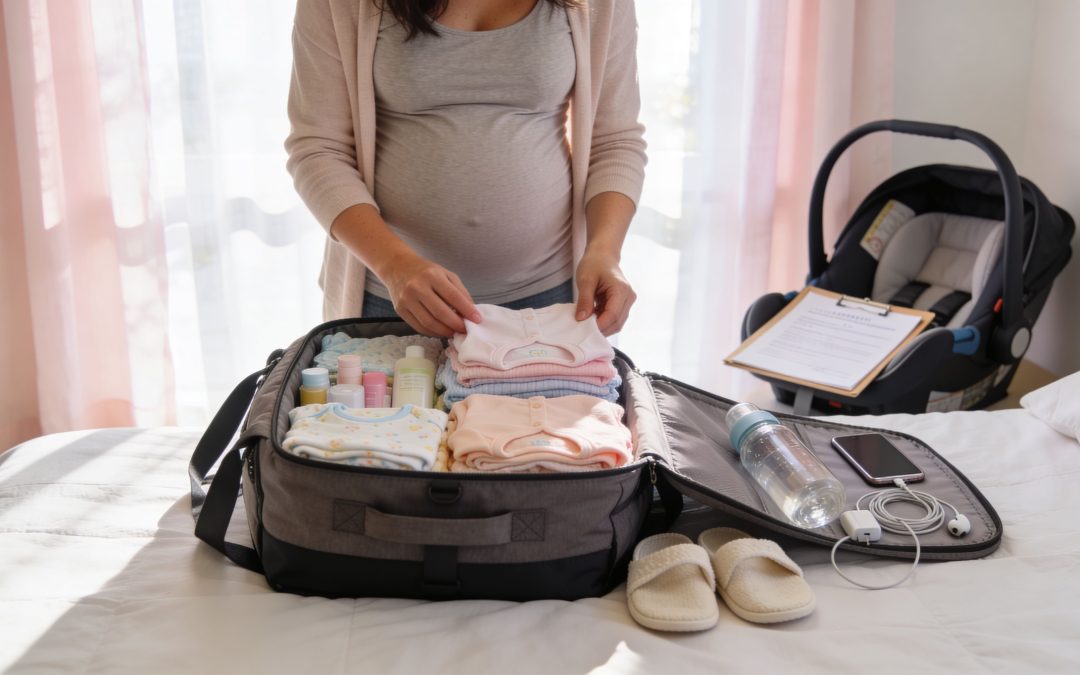
By the earlier part of your packing window, put aside the items you won’t miss day to day. This is your “already sorted” group.
Pack things like:
Hospital paperwork folder if you’ve got it ready
A set of baby clothes in newborn and slightly larger sizing
Maternity bras and underwear
Post-birth comfortable clothes
Basic toiletries duplicates if you’ve bought extras
Any planned feeding items your hospital has asked you to bring
This stage matters because it covers the items that create the biggest scramble when labour starts unexpectedly.
Stage two finishes the main bag
Closer to the end of pregnancy, move to the items that depend more on weather, your admission plan, or your comfort preferences. This is when your bag starts feeling complete.
Focus on:
Labour clothes you don’t mind getting messy
Pyjamas and a robe
Slides or slippers
Snacks and drink bottle
Baby wraps and going-home outfit
Support person basics so they’re not relying on you for everything
If you’re still setting up nursery and shower gifts, a seasonal planning guide like the perfect registry for your summer baby can help you think through what’s useful now versus what can wait until after birth.
Stage three is the grab list, not the packed list
Some things shouldn’t go into the bag until the day you leave. That doesn’t mean you should trust yourself to remember them.
Write a list and keep it in the front pocket or on top of the bag:
Phone charger
Toothbrush and toothpaste
Glasses or contact lens supplies
Current medications
Your favourite pillow
Daily-use cosmetics or skincare
House keys and wallet
The last-minute list should be short. If it gets too long, you haven’t really packed yet.
This method works because it reduces decision fatigue. You don’t need a free afternoon and a burst of motivation. You just need to finish one stage at a time.
The Ultimate Australian Hospital Bag Checklist
A good checklist shouldn’t just tell you what to bring. It should stop you from overpacking. That matters in Australia, because public and private hospitals often handle basics differently.
Many public hospitals provide basics such as maternity pads and mesh underwear, which can cut down what you need to bring. Private hospital stays may call for more of your own supplies, particularly because stays can be longer, and caesareans account for 32% of births nationally. That practical public versus private difference is noted in this discussion of labour and delivery bag essentials.
For the birthing parent
Start with the items that affect comfort and recovery most.
Admission essentials Medicare card, private health details if relevant, hospital paperwork, and any birth preferences you want on hand.
Clothing that allows movement Loose nighties, button-front pyjamas if you plan to breastfeed, a robe, socks, and easy slip-on shoes.
Post-birth underwear High-waisted, soft pairs are often more comfortable than anything tight, especially if you’ve had surgery or a tender abdomen.
Toiletries you’ll use Toothbrush, toothpaste, hairbrush, lip balm, deodorant, face wash, moisturiser, hair ties, and any shower products that make you feel human again.
Recovery items If your hospital doesn’t provide enough basics for your preference, add your own maternity pads and extra underwear.
Labour comforts Water bottle, lip balm, snacks approved by your care team, a fan if you like airflow, and a long charging cable.
Here’s a short video many parents find useful when they’re checking their own list against real-world packing habits.
For baby
Baby needs less than most first-time parents expect. The trick is bringing the right basics, not heaps of “just in case” outfits.
A few simple outfits Zip suits or onesies are easier than fiddly outfits.
A baby hat Useful for warmth after birth and on the way home.
Wraps or swaddles Soft, easy-to-use options are best.
Nappies and wipes Check what your hospital provides before packing too many.
A blanket for discharge Especially helpful in cooler weather or air-conditioned cars.
Car seat already installed This isn’t optional. Don’t leave it until discharge day.
For the partner or support person
Partners often become the accidental owners of all the forgotten jobs. Their bag matters too.
Fresh clothes for an overnight stay or long labour
Charged phone and charger
Snacks and drinks
Basic toiletries
Any medications they need
A jumper or light blanket, because hospital temperatures can feel unpredictable
A small pillow if they’re likely to be there for a while
What doesn’t work is assuming your support person can “just pop out later”. Sometimes they can. Sometimes parking, timing, ward policies, or labour progression make that unrealistic.
For leaving hospital
This part gets forgotten because it feels far away when you’re packing for labour.
Pack or prepare:
Your outfit for home Soft, loose, easy to put on. Think comfort, not appearance.
Baby’s going-home outfit Choose one suited to the season and the car trip.
Installed car seat Check straps and setup before you need to use it.
A bag for paperwork and extras Hospitals often send you home with documents, feeding notes, and a few bits to carry.
Special situations that change your list
Some births need a slightly different setup.
Planned caesarean
You’ll usually want:
Higher-waisted underwear
Clothes that don’t sit on the incision area
Slip-on shoes
A longer phone charger
Extra comfort items if you expect a longer stay
Public hospital stay
Ask what’s supplied before you buy in bulk. You may need less than online lists suggest.
Private hospital stay
Bring more personal comfort items, extra clothing, and enough toiletries for a longer stay.
If you want one printable list
For a second checklist focused on practical packing categories, this pregnancy hospital bag list is handy to keep open while you pack.
Pack for recovery, not for photos. The most useful items are usually the least glamorous ones.
Beyond the Bags Critical Hospital Logistics
A packed bag helps. Smooth logistics help more. Many last-minute hospital scrambles happen because the bag is ready but everything around it isn’t.
Get your paperwork into one place
Don’t scatter documents across handbags, kitchen counters, and email inboxes. Use one folder or pouch.
Include:
Medicare card
Private health insurance details if relevant
Hospital admission paperwork
Photo ID
Any referral letters or pregnancy notes
A printed birth preferences page if you have one
If you’ve also been preparing for the first weeks at home, a broader baby prep list like this newborn baby needs checklist can help you spot what belongs in the house rather than in the hospital bag.
Sort the trip before the trip matters
Getting to hospital sounds simple until it’s late at night, raining, and someone is trying to remember which entrance is open after hours.
Do these practical checks ahead of time:
Drive the route once if it’s unfamiliar
Save the maternity ward number in both phones
Check after-hours entry points
Know where to park
Keep the car fuelled
Have a backup driver if your first plan falls through
For regional families, this matters even more. Long travel changes what you need in the car as much as what you need in the bag.
Don’t forget the home-side plan
The hospital bag often gets all the attention, but home logistics cause just as much stress.
Make decisions about:
Who looks after older children
Who feeds pets
Who waters plants or handles parcels
Who updates close family if you want privacy
The easiest hospital departure is the one with no unresolved questions at home.
A final practical step is to put the bags in the car boot or beside the front door once you’re close to your expected window. Visibility helps. If you have to think about where the bag is, it isn’t ready enough.
Your Final Checks Before You Leave Home
The day usually doesn’t arrive in a neat, cinematic way. It’s often awkward timing, partial contractions, uncertainty, and someone asking whether this is really it. That’s why your final checks should be simple enough to do even when you’re distracted.
A useful Australian reminder is that a QLD Health survey found 22% of first-time mums deliver 1 to 2 weeks before their due date, and the same source notes that 40% of Australian births are outside metro areas. For regional or rural families, packing earlier and keeping the car ready with practical extras for longer drives matters. That guidance appears in this labour and delivery checklist article.
Do the fast five-minute check
Before you leave, confirm:
Phones are charged
Chargers are packed
Wallet, keys, and paperwork folder are with the bag
Water bottle is filled
Snacks are in the car or support person’s bag
The car seat is installed
The hospital number is saved
Keep the exit routine boring
The calmer your routine, the better it works. Leave the bags in one visible spot from the later weeks of pregnancy. Keep your last-minute list on top. Ask your support person to do the same final scan every time, rather than relying on memory.
If labour starts early, you don’t need a perfect house. You need your documents, your bag, your phone, and a safe way to get to hospital.
If you live further from care, treat the car as part of the hospital bag. Add water, snacks, and anything that makes the drive easier.
When people ask when to pack hospital bag, they’re usually asking a deeper question. They want to know when they can stop worrying about being caught unprepared. The answer is earlier than panic, later than superstition, and always with enough margin for real life.
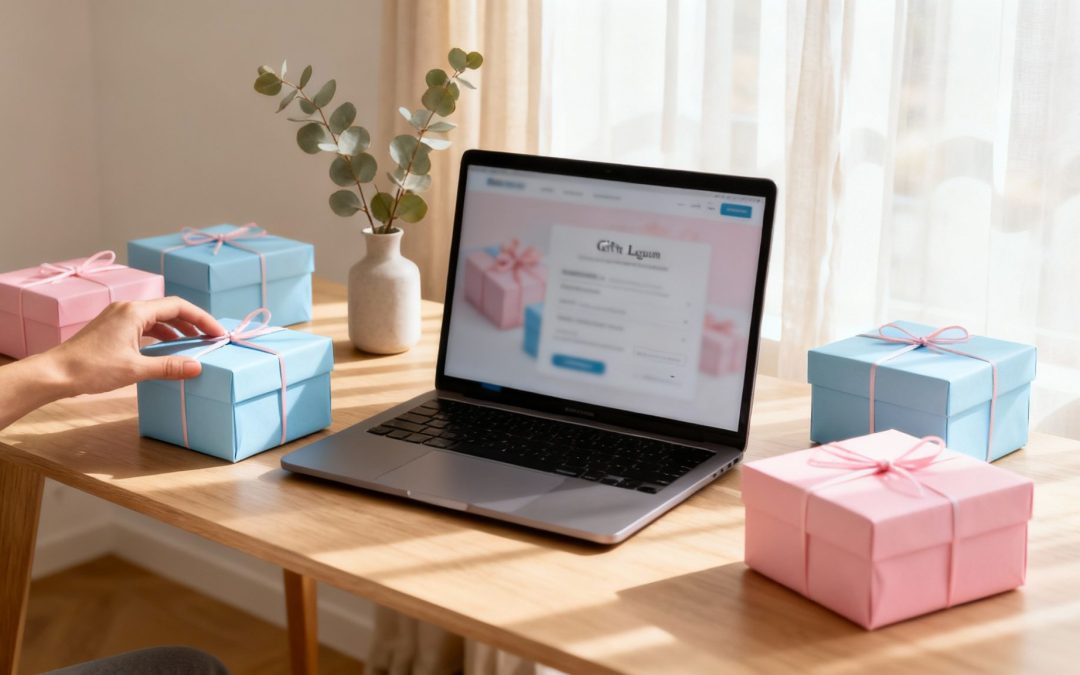
If you’re organising a baby shower or want a simple way for family and friends to give useful gifts without duplicates, EasyRegistry makes it easy to create one shareable registry for baby essentials, comfort items, and cash contributions. It’s a practical way to stay organised before birth and avoid ending up with five muslin wraps and none of the things you need.
Whether you're planning a wedding, a baby shower, or another big life event here in Australia, a gift registry has become an absolute must-have. It’s no longer just a simple wish list; it's a brilliant tool that makes the whole gift-giving dance so much easier for both you and your guests. It’s the best way to avoid ending up with three of the same blender and ensure you get things you’ll actually love and use.
Why a Gift Registry Is a Non-Negotiable for Modern Aussie Celebrations
Let's be real—organising a wedding or a big birthday bash in Australia already comes with a mountain of decisions. A gift registry smoothly takes care of one of the trickiest parts: the presents. It beautifully connects what you actually need with your guests' desire to give you something meaningful, turning a sometimes-awkward tradition into a genuinely joyful part of the celebration.
The whole registry game has changed. We’ve moved far beyond the days of being stuck with a single department store and a barcode scanner. Gifting culture in Australia has evolved. So many of us already have a house full of stuff, and new parents often need very specific things that aren't just cute onesies.
Meeting Modern Needs With a Practical Touch
Today’s registries are incredibly flexible, letting you build a list that truly mirrors your life. Instead of crossing your fingers and hoping for the best, you can gently guide your loved ones toward gifts that you’ll cherish for years to come. No more unwanted crystal vases!
This practical approach has some pretty clear upsides:
Dodging the Duplicates: A central, updated list means you won't have to return three identical air fryers.
Taking Out the Guesswork: Your guests will be relieved. They'll know their money is going toward something you genuinely want.
Pooling for Bigger Dreams: You can set up funds for big-ticket items like a new couch, a honeymoon, or even a house deposit. Guests love being able to contribute to a goal that really matters to you.
Showcasing Your Style: The best part? You can add items from literally any online store, whether it’s a small Aussie designer or a major international brand.
A well-thought-out gift registry isn't greedy; it's just plain smart and considerate. It creates a seamless, enjoyable experience for everyone, making sure all that generosity is channelled in the most wonderful way possible.
At the end of the day, a gift registry helps you kick off your next chapter with things that genuinely fit your lifestyle. It cuts through the awkwardness and transforms gifting from a chore into a beautiful, collaborative way for your friends and family to show their support.
How to Choose the Right Gift Registry Platform in Australia
With so many options out there, picking the right service for your gift registry in Australia can feel surprisingly overwhelming. But getting this right from the start is worth the effort, as the platform you choose really does shape the entire gifting experience for both you and your guests.
Your first big decision is whether to go with a classic department store registry or a modern online platform. A department store offers a traditional, hands-on experience, but you're locked into their catalogue. An online universal registry, however, opens up a world of possibilities, letting you add items from literally any store on the internet.
Traditional vs. Universal Online Registries
So, which one is for you? Think about your guests first. Are they tech-savvy online shoppers, or would they feel more comfortable visiting a physical store they know and trust?
Next, think about what you actually want. If your dream gifts are scattered across a dozen different places—from small Aussie boutiques to big international retailers—a universal platform is a no-brainer. It gives you complete freedom.
These flexible online options are becoming the go-to for a reason. They fit perfectly with modern life, where many couples already have the toaster and towels but are saving for something bigger. This is where features like cash funds for a honeymoon, a home deposit, or a special experience become incredibly useful.
This move towards flexibility and cash gifts is happening all across Australia. Just look at the gift card market, a close cousin to registry contributions. It's expected to jump from $6.7 billion in 2023 to a massive $10.1 billion by 2028. Clearly, people are getting more comfortable with giving money towards a specific goal.
Key Factors to Evaluate
When you start comparing services, it's easy to get lost in the details. My advice? Cut through the noise and focus on these four core elements to find the perfect match for your big day.
Flexibility and Choice: Can you add anything from anywhere? Or are you stuck with one retailer’s inventory? The best platforms let you mix physical items, cash funds, and even experience-based gifts all in one place.
Fees and Costs: Get crystal clear on the fee structure. Some platforms charge a flat, one-time setup fee, which can be great for budgeting. Others take a small percentage of each transaction. It’s crucial to know who pays these fees—you or your guests—to avoid any awkward surprises later.
User Experience: The whole point is to make things easier. For you, this means a simple, intuitive setup process. For your guests, it means a clean, secure website where they can browse and buy a gift without any tech-related frustration.
Cash Fund Options: If you’re thinking of a wishing well or honeymoon fund, dig into the details. Does the service let you create custom funds? And importantly, how and when do you get the money? Some release funds as they come in, while others hold everything until after your event.
A Note From Experience: Your ideal registry platform should feel like a natural extension of your event—personal, easy to use, and considerate of your guests. It’s not just a shopping list; it’s a tool that helps make giving a joyful and seamless part of the celebration for everyone.
Comparing Australian Gift Registry Platform Features
To help you visualise the differences, this table gives a side-by-side comparison of the key features offered by different types of gift registry services in Australia. It's a quick way to see which model best aligns with your needs.
Feature
Traditional Department Store Registry
Online Universal Registry (e.g., EasyRegistry)
Cash-Only Fund Platform
Gift Choice
Limited to that store's stock
Add items from any online store
N/A (monetary contributions only)
Cash Funds
Rarely offered or very limited
Standard feature for any goal
The sole focus of the platform
Guest Experience
In-store or online at one specific website
A single, centralised link for all gifts
Simple online contribution page
Fees
Usually free for hosts
Varies (one-time fee or % of gifts)
Typically a transaction fee on contributions
Best For
Couples wanting traditional homewares from a single, trusted brand.
Anyone wanting ultimate flexibility and a mix of items, cash, and experiences.
Events focused purely on funding a large goal like a honeymoon or house deposit.
Ultimately, choosing the right gift registry in Australia comes down to what works for your personal style, your wish list, and your guests. By understanding the core features of different platforms, you can confidently pick the one that will make your gifting experience a breeze.
Setting Up Your Australian Gift Registry From Start to Finish
Let's be honest, creating a gift registry can feel like just another chore on a massive event-planning checklist. But it doesn't have to be. Think of it as a chance to tell a part of your story and get your guests genuinely excited to celebrate with you. This is more than a shopping list; it’s about building a page that welcomes your friends and family into your world.
The best place to start? A personal touch. A warm welcome message and a favourite photo of you and your partner (or just you!) instantly changes the vibe from transactional to personal. It’s a small thing that makes a huge difference.
Making It Your Own
Your registry's welcome message is the first thing guests will see, so think of it as a friendly greeting at the door. You could share a quick line about what this milestone means to you or just say how grateful you are to have them in your lives. It sets a beautiful tone before they even scroll down to the gifts.
Once you’ve got your photo and message sorted, it's time for the fun bit: adding the presents. This is where your personality really gets to shine. The goal is to build a list that’s both thoughtful and balanced, with plenty of options for different guests and budgets.
Here’s an example of a clean, welcoming registry homepage that makes it simple for hosts to get started.
The layout is straightforward, pointing you directly to "Create a Registry" so there's no confusion about where to begin.
Building a Balanced and Thoughtful List
A great registry is a mix of needs, wants, and a few "pinch-me" dreams. I always recommend aiming for a good variety in both the types of items and their price points. This thoughtful approach means every guest can find something they’re excited to give, without feeling any financial pressure.
For a wedding registry, for instance, a balanced list might include:
Small Homewares: Think quality kitchen utensils, beautiful linen tea towels, or a set of unique coffee mugs from an Australian ceramicist.
Mid-Range Items: This could be that high-quality blender you’ve been eyeing up or a designer doona cover you'd never buy for yourself.
Group Gift Contributions: For those big-ticket items like a new sofa or a piece of art, letting guests chip in a smaller amount towards the total cost is a fantastic option.
This same logic works for any kind of celebration. If you’re an expecting parent, pulling ideas from an ultimate Australian baby registry checklist is a brilliant way to make sure you've covered all the essentials before adding the fun stuff.
Here’s a little tip I’ve picked up: add a short, personal note to a few of your most-wanted items. Something as simple as, "We’ve always dreamed of hosting a proper Sunday roast, and this carving set would be perfect for it!" adds so much heart and helps guests feel way more connected to their gift.
Adding Gifts from Anywhere
One of the biggest game-changers for a modern gift registry in Australia is the freedom to add items from literally any online store. You're no longer stuck with the inventory of a single department store. If you spot the perfect wine glasses from a boutique in Melbourne and a cool print from an artist in Perth, you can pop them both on the same list.
Usually, it's as simple as copying the product's URL and pasting it into your registry dashboard. This flexibility is what allows you to build a list that’s 100% you.
It's not just about physical things, either. Setting up cash funds for experiences or bigger life goals is just as easy. You can create a fund for your honeymoon, a house deposit, or even a future renovation project. Just give it a name, add a photo, set a goal amount, and let guests contribute what they're comfortable with. To get your head around how it all works, you can learn more about adding various gift types to your registry and really make the most of the features available.
Curating a Thoughtful Gift List for Any Occasion
The real secret to a brilliant gift list? It’s all about striking that perfect balance between things you genuinely need and things you simply want. When you’re putting together a registry in Australia, no matter the occasion, the goal is to think about what will truly make your life better.
Are you getting married? This is your chance to mix classic homewares with more modern ideas. Sure, a beautiful dinner set is lovely, but you could also let guests contribute to your honeymoon fund, help with a house deposit, or chip in for a piece of art you'll treasure for years. It's the perfect opportunity to upgrade those everyday items or get a head start on a bigger, shared dream.
For a baby shower, the focus naturally shifts to what an Aussie parent really needs. Think about your local climate – maybe lightweight swaddles for a balmy Queensland summer or some cosy merino wool layers for a chilly Melbourne winter. It's about building a practical foundation of essentials that will support you on your new parenting journey.
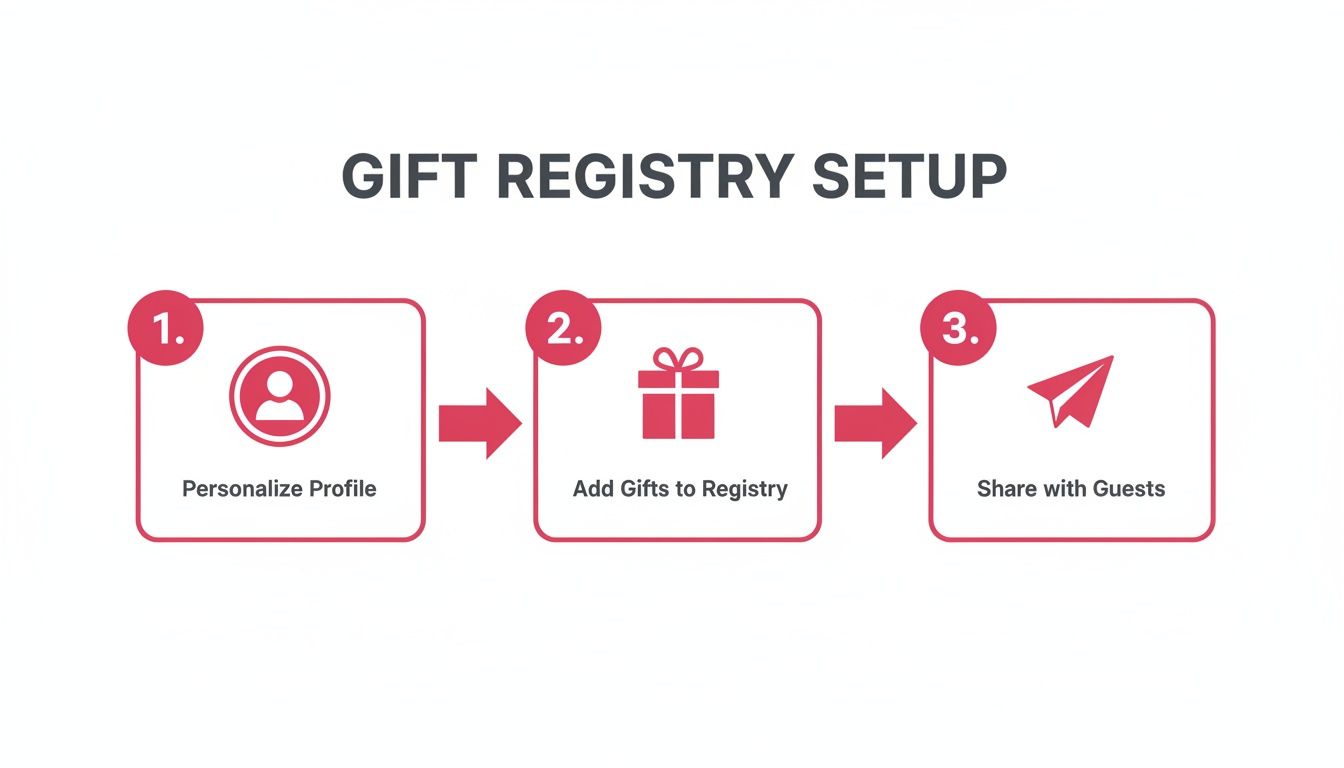
Breaking it down, the process is pretty straightforward. You personalise your registry, add the gifts you’d love, and then share it with your guests.
This simple flow is the key: start with a personal touch, fill it with meaningful items, and make it easy for everyone to access.
Creating a List That Reflects You
When it comes to big milestones like a special birthday or anniversary, you can get even more creative. Why not fund a passion project? Your registry could help you finally take that pottery course or get your scuba diving certification. You could even ask for contributions towards a weekend getaway or a donation to a charity that means a lot to you.
The most thoughtful registry is one that tells a story about who you are and where you're headed. It guides guests to give something that feels personal and impactful, no matter the price point.
The trick is to create a list that’s authentically you while also being mindful of your guests. Offering a wide range of price points is an absolute must. This way, everyone can find something they’re excited to give, whether it’s a small, thoughtful token or a larger, more significant present.
Understanding Gifting Trends in Australia
It helps to have a finger on the pulse of how Aussies like to give gifts. Recent trends show a strong preference for flexibility. For example, the average planned Christmas gift spend is projected to be $491 in 2025.
What are people hoping to receive?
Gift cards are at the top of the list for 43% of people.
Cash comes in a close second at 36%.
This move towards more versatile giving is exactly why a modern gift registry in Australia is so effective for any celebration. It taps into how people want to shop and give.
On top of physical items and cash funds, many registries let you add gift cards, which is a fantastic middle ground. It gives you the freedom to choose what you want later on, which can be a lifesaver.
At the end of the day, your registry should feel like a curated collection of things and experiences that will bring you real joy. By mixing practical essentials, fun splurges, and contributions to bigger goals, you're not just making a list—you're helping your loved ones celebrate you in the most meaningful way possible.
Sharing and Managing Your Registry with Grace
You’ve spent all this time carefully curating your perfect gift list. Now comes the part that can feel a bit tricky: how do you actually share it without seeming demanding or awkward?
The secret is to frame your registry not as a list of demands, but as a genuine convenience for your guests. Modern etiquette for a gift registry in Australia is all about making things easy and subtle.
The golden rule is to avoid putting registry details directly on the main invitation. Instead, your wedding website is the perfect spot for the link. For other events like a baby shower, you can tuck it into the details section of a digital invite. This 'passive sharing' approach means guests who want to buy a gift can find the information easily, but no one feels pressured.
You can also let your family and close friends know where to find the list. They often become the go-to people for gift questions, so they can naturally point others in the right direction.
Tasteful Wording for Your Invitations and Website
Finding the right words is everything. Your goal is to sound appreciative, not expectant.
Here are a few phrases I've seen work beautifully that you can make your own:
On a wedding website: "Your presence at our wedding is the only gift we need! But if you were thinking of giving a gift to help us on our way, we have put together a registry for your convenience."
On a baby shower invite: "We are so excited to celebrate our new arrival with you! We've created a small registry of things that will help us get started as a new family."
For a milestone birthday: "Having you there to celebrate is more than enough. But for those who have asked for gift ideas, I’ve put together a small wish list."
Managing Your Registry Like a Pro
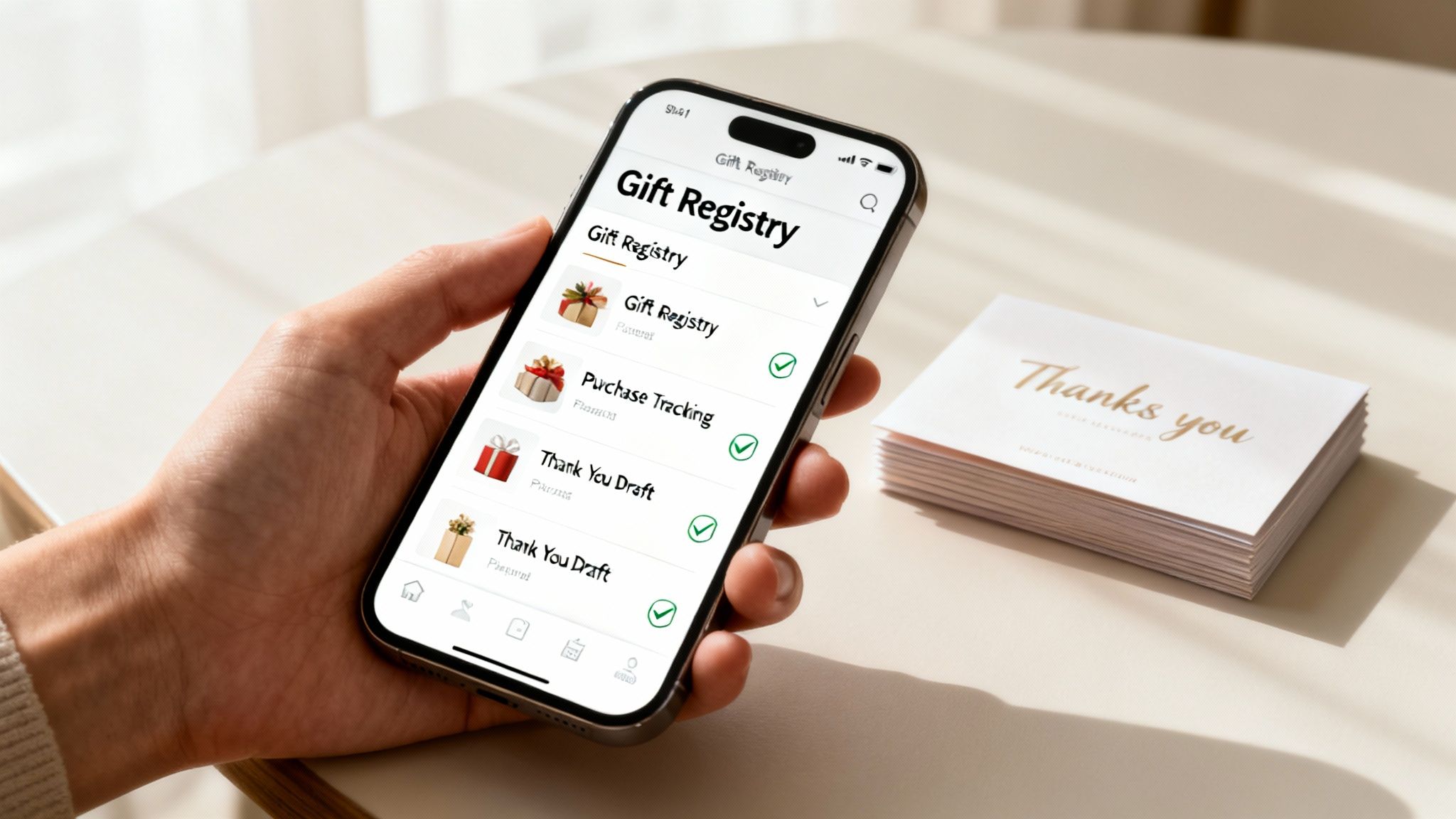
Once your registry is live and gifts start arriving, staying organised is your next mission. Thankfully, most online platforms are built for this. They’ll help you track who bought what and when, which is an absolute lifesaver for preventing duplicate gifts, especially if someone nips into a store to buy an item.
Think of your registry's tracking feature as your future best friend. It’s not just about avoiding duplicates; it's the key to writing personal, heartfelt thank-you notes that mention the specific gift you received.
It’s also a good idea to keep an eye on the list as the date gets closer. If a popular item sells out, try to replace it with a similar alternative to ensure your guests still have plenty of options to choose from.
And don't forget to check in on any group gifts! It's lovely to see the collective contributions add up for those bigger items, and it gives you a real sense of the wonderful support from your community.
Your Australian Gift Registry Questions Answered
When you're setting up a gift registry in Australia, a few questions are bound to pop up for you and your guests. It’s totally normal to wonder about the etiquette or how the whole thing actually works. We’ve pulled together the most common queries to give you clear, simple answers so everyone feels comfortable.
The idea is to take the mystery out of the process, making gift-giving a smooth and genuinely enjoyable part of the celebration.
Is It Rude to Have a Gift Registry in Australia?
Absolutely not. These days, a gift registry is seen as a genuinely helpful tool for guests. It takes the guesswork out of gift-giving, which most people are incredibly thankful for. You're simply guiding your loved ones towards something you’ll actually use and cherish.
Think of it this way: it’s a modern, thoughtful way to prevent guests from spending their hard-earned money on a well-meaning gift that might not be quite right.
A registry is really just a modern answer to the age-old question, "What would you like?". It lets your guests give a gift they know will be loved, making the whole experience better for everyone.
Can I Add Items from Any Australian Store?
This really comes down to the type of registry you pick. If you go with a traditional department store, you'll naturally be limited to what they sell. For true freedom, though, a universal online registry platform is the way to go.
Services like EasyRegistry are built for this kind of flexibility. You can add any item from any online store just by copying and pasting its web link. This means you can have a big-ticket item from a major retailer sitting right next to a unique piece from a small Aussie boutique, all on one seamless list.
How Do Cash or Honeymoon Funds Work?
Online registries have made asking for cash contributions tasteful and easy. Instead of a generic request, you can set up a fund for something specific and meaningful, like your honeymoon adventures, a house deposit, or that big-ticket furniture item you've had your eye on.
Guests can then chip in whatever amount they're comfortable with through your secure registry page. The platform handles all the collection, and the total funds are then transferred straight into your bank account for you to use as planned. It's a simple, elegant solution.
Still have more questions? Dive deeper into our full list of frequently asked questions for more detailed answers.