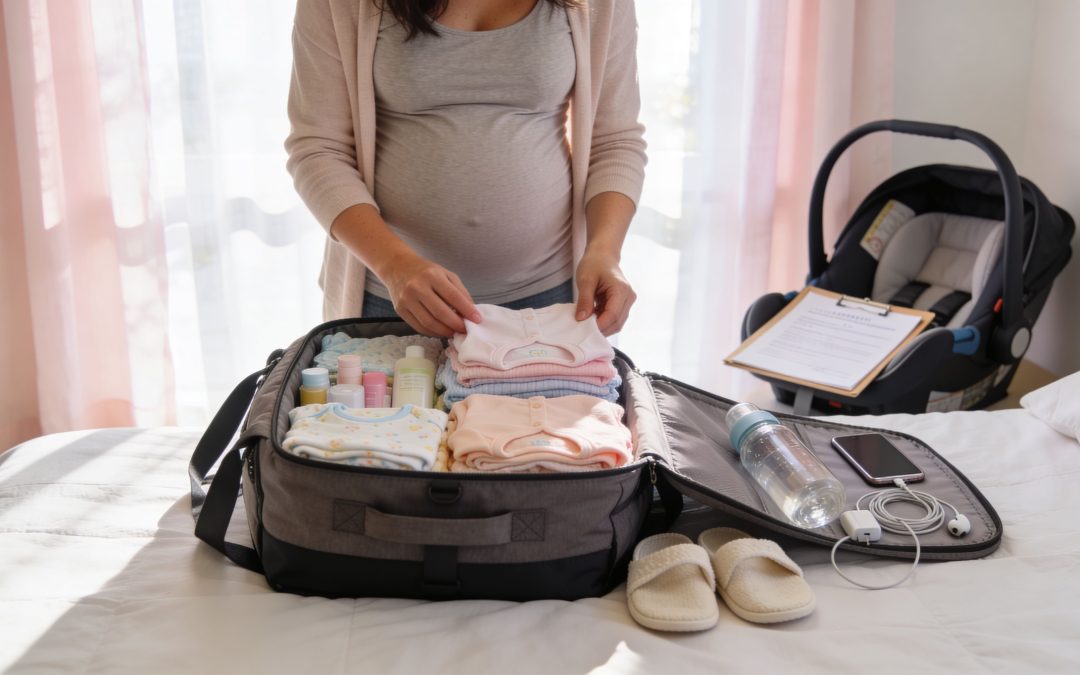
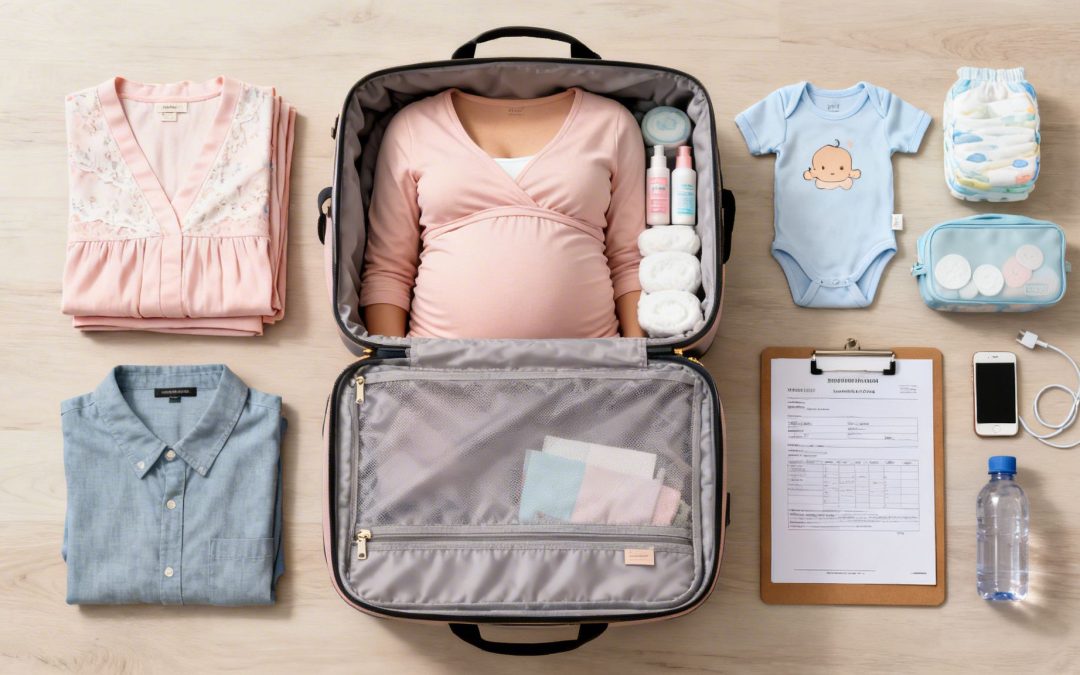
You’re probably somewhere in the third trimester, opening notes on your phone, half-starting a packing list, then closing it again because you’re not sure if it’s too early or somehow already late. That hesitation is common. Hospital bag advice online often swings between “pack at the first Braxton Hicks” and “you’ve got plenty of time”, which isn’t very helpful when you want a real answer.
For Australian parents, timing matters because local hospital routines, travel distances, and public versus private ward setups change what makes sense. The best plan isn’t to panic-pack one giant bag. It’s to pack in stages, at the right time for your pregnancy, and with a clear idea of what your hospital is likely to provide.
That Third Trimester Feeling Is It Time Yet
By the third trimester, the mental list gets noisy. You’re keeping track of appointments, washing tiny clothes, answering texts about the baby shower, and trying to work out whether the hospital bag should be done now or later. Most parents don’t struggle because packing is hard. They struggle because the timing feels unclear.
I see the same pattern again and again. Someone starts by buying travel-sized toiletries and a zip bag for baby clothes. Then they stop, because the due date still feels far away. A week later, they’re awake at night wondering if they’ve left it too late.
That stop-start cycle creates more stress than the bag itself.
A calm rule of thumb: if you’re thinking about when to pack hospital bag, it’s time to at least start the essentials.
What works is a timeline that matches real life. Not a dramatic all-at-once packing session. Not a vague promise to “do it soon”. A proper plan that takes into account whether your pregnancy is straightforward, whether you live close to your hospital, and whether you’re going public or private.
Australian parents also deal with practical differences that many overseas checklists skip. Some public hospitals provide more basics than people expect. Some private stays call for more of your own comfort items. If you’ve got a longer drive, older children at home, or a planned caesarean, your version of “ready” will look different from someone else’s.
The goal isn’t to have a perfect bag. It’s to remove one source of uncertainty, so when labour starts or your admission gets moved forward, you’re not scrambling for phone chargers, underwear, or baby clothes in the middle of it all.
Your Ideal Hospital Bag Packing Timeline
The best answer to when to pack hospital bag depends on risk, location, and how likely you are to need admission earlier than expected. Generic timelines don’t help much when your reality might include a long drive, a private hospital stay, or a care team already talking about earlier monitoring.
Pack earlier if your pregnancy needs closer planning
If you’re in a high-risk pregnancy group, packing earlier is sensible, not overcautious. In Australia, approximately 11.6% of babies are born preterm, which is one reason earlier preparation matters. For high-risk pregnancies, packing by 35 weeks is a practical benchmark, while for low-risk pregnancies, RANZCOG recommends packing between 36 and 38 weeks. The same source also notes that 70% of Australian births occur at term. You can read that summary in this hospital bag timing reference.
High-risk can include situations like:
Multiples such as twins
Previous preterm labour
Planned earlier admission
Medical monitoring that could lead to a change in birth timing
Regional travel where getting to hospital isn’t quick
If any of those sound familiar, don’t wait for the “normal” week to start. Aim to have your core bag mostly done earlier, then top it up later with fresh items.
The sweet spot for most low-risk pregnancies
For many parents with a straightforward pregnancy, 36 to 38 weeks is the most realistic packing window. It’s late enough that you know more about your hospital plan and early enough that you won’t feel rushed if things shift.
A simple timeline looks like this:
Pregnancy situation
Best time to have the bag packed
High-risk or likely early admission
By 35 weeks
Low-risk and metro-based
Between 36 and 38 weeks
Regional or rural travel concerns
Earlier end of your expected window
That middle window works well because you can pack with more confidence. You’ll usually know whether you’re likely to have a vaginal birth or planned caesarean, whether your hospital has given you admission paperwork, and what kind of stay to prepare for.
If your bag is fully packed before you think you “need” it, that isn’t wasted effort. It’s one job off your mind.
When earlier is better even if everything seems fine
Some parents are technically low-risk but still benefit from packing sooner. That includes people who already feel physically tired, anyone juggling work and other children, and parents living a long way from their hospital.
If you know you’re someone who leaves practical jobs until the last minute and then feels overwhelmed, build in margin. Get the bag done before the pressure starts. Readiness is easier to maintain than to create in a rush.
A useful test is this: if your care team asked you to come in tonight, would you only need to grab your daily essentials and go? If the answer is no, your timeline should move forward.
A Stress-Free Staged Packing Plan
Trying to pack everything in one go often leads to feeling stuck. A staged approach works better because it separates the essentials from the comfort items and the true last-minute things. You stop staring at an empty bag and start making visible progress.
Stage one gets the basics done early
By the earlier part of your packing window, put aside the items you won’t miss day to day. This is your “already sorted” group.
Pack things like:
Hospital paperwork folder if you’ve got it ready
A set of baby clothes in newborn and slightly larger sizing
Maternity bras and underwear
Post-birth comfortable clothes
Basic toiletries duplicates if you’ve bought extras
Any planned feeding items your hospital has asked you to bring
This stage matters because it covers the items that create the biggest scramble when labour starts unexpectedly.
Stage two finishes the main bag
Closer to the end of pregnancy, move to the items that depend more on weather, your admission plan, or your comfort preferences. This is when your bag starts feeling complete.
Focus on:
Labour clothes you don’t mind getting messy
Pyjamas and a robe
Slides or slippers
Snacks and drink bottle
Baby wraps and going-home outfit
Support person basics so they’re not relying on you for everything
If you’re still setting up nursery and shower gifts, a seasonal planning guide like the perfect registry for your summer baby can help you think through what’s useful now versus what can wait until after birth.
Stage three is the grab list, not the packed list
Some things shouldn’t go into the bag until the day you leave. That doesn’t mean you should trust yourself to remember them.
Write a list and keep it in the front pocket or on top of the bag:
Phone charger
Toothbrush and toothpaste
Glasses or contact lens supplies
Current medications
Your favourite pillow
Daily-use cosmetics or skincare
House keys and wallet
The last-minute list should be short. If it gets too long, you haven’t really packed yet.
This method works because it reduces decision fatigue. You don’t need a free afternoon and a burst of motivation. You just need to finish one stage at a time.
The Ultimate Australian Hospital Bag Checklist
A good checklist shouldn’t just tell you what to bring. It should stop you from overpacking. That matters in Australia, because public and private hospitals often handle basics differently.
Many public hospitals provide basics such as maternity pads and mesh underwear, which can cut down what you need to bring. Private hospital stays may call for more of your own supplies, particularly because stays can be longer, and caesareans account for 32% of births nationally. That practical public versus private difference is noted in this discussion of labour and delivery bag essentials.
For the birthing parent
Start with the items that affect comfort and recovery most.
Admission essentials Medicare card, private health details if relevant, hospital paperwork, and any birth preferences you want on hand.
Clothing that allows movement Loose nighties, button-front pyjamas if you plan to breastfeed, a robe, socks, and easy slip-on shoes.
Post-birth underwear High-waisted, soft pairs are often more comfortable than anything tight, especially if you’ve had surgery or a tender abdomen.
Toiletries you’ll use Toothbrush, toothpaste, hairbrush, lip balm, deodorant, face wash, moisturiser, hair ties, and any shower products that make you feel human again.
Recovery items If your hospital doesn’t provide enough basics for your preference, add your own maternity pads and extra underwear.
Labour comforts Water bottle, lip balm, snacks approved by your care team, a fan if you like airflow, and a long charging cable.
Here’s a short video many parents find useful when they’re checking their own list against real-world packing habits.
For baby
Baby needs less than most first-time parents expect. The trick is bringing the right basics, not heaps of “just in case” outfits.
A few simple outfits Zip suits or onesies are easier than fiddly outfits.
A baby hat Useful for warmth after birth and on the way home.
Wraps or swaddles Soft, easy-to-use options are best.
Nappies and wipes Check what your hospital provides before packing too many.
A blanket for discharge Especially helpful in cooler weather or air-conditioned cars.
Car seat already installed This isn’t optional. Don’t leave it until discharge day.
For the partner or support person
Partners often become the accidental owners of all the forgotten jobs. Their bag matters too.
Fresh clothes for an overnight stay or long labour
Charged phone and charger
Snacks and drinks
Basic toiletries
Any medications they need
A jumper or light blanket, because hospital temperatures can feel unpredictable
A small pillow if they’re likely to be there for a while
What doesn’t work is assuming your support person can “just pop out later”. Sometimes they can. Sometimes parking, timing, ward policies, or labour progression make that unrealistic.
For leaving hospital
This part gets forgotten because it feels far away when you’re packing for labour.
Pack or prepare:
Your outfit for home Soft, loose, easy to put on. Think comfort, not appearance.
Baby’s going-home outfit Choose one suited to the season and the car trip.
Installed car seat Check straps and setup before you need to use it.
A bag for paperwork and extras Hospitals often send you home with documents, feeding notes, and a few bits to carry.
Special situations that change your list
Some births need a slightly different setup.
Planned caesarean
You’ll usually want:
Higher-waisted underwear
Clothes that don’t sit on the incision area
Slip-on shoes
A longer phone charger
Extra comfort items if you expect a longer stay
Public hospital stay
Ask what’s supplied before you buy in bulk. You may need less than online lists suggest.
Private hospital stay
Bring more personal comfort items, extra clothing, and enough toiletries for a longer stay.
If you want one printable list
For a second checklist focused on practical packing categories, this pregnancy hospital bag list is handy to keep open while you pack.
Pack for recovery, not for photos. The most useful items are usually the least glamorous ones.
Beyond the Bags Critical Hospital Logistics
A packed bag helps. Smooth logistics help more. Many last-minute hospital scrambles happen because the bag is ready but everything around it isn’t.
Get your paperwork into one place
Don’t scatter documents across handbags, kitchen counters, and email inboxes. Use one folder or pouch.
Include:
Medicare card
Private health insurance details if relevant
Hospital admission paperwork
Photo ID
Any referral letters or pregnancy notes
A printed birth preferences page if you have one
If you’ve also been preparing for the first weeks at home, a broader baby prep list like this newborn baby needs checklist can help you spot what belongs in the house rather than in the hospital bag.
Sort the trip before the trip matters
Getting to hospital sounds simple until it’s late at night, raining, and someone is trying to remember which entrance is open after hours.
Do these practical checks ahead of time:
Drive the route once if it’s unfamiliar
Save the maternity ward number in both phones
Check after-hours entry points
Know where to park
Keep the car fuelled
Have a backup driver if your first plan falls through
For regional families, this matters even more. Long travel changes what you need in the car as much as what you need in the bag.
Don’t forget the home-side plan
The hospital bag often gets all the attention, but home logistics cause just as much stress.
Make decisions about:
Who looks after older children
Who feeds pets
Who waters plants or handles parcels
Who updates close family if you want privacy
The easiest hospital departure is the one with no unresolved questions at home.
A final practical step is to put the bags in the car boot or beside the front door once you’re close to your expected window. Visibility helps. If you have to think about where the bag is, it isn’t ready enough.
Your Final Checks Before You Leave Home
The day usually doesn’t arrive in a neat, cinematic way. It’s often awkward timing, partial contractions, uncertainty, and someone asking whether this is really it. That’s why your final checks should be simple enough to do even when you’re distracted.
A useful Australian reminder is that a QLD Health survey found 22% of first-time mums deliver 1 to 2 weeks before their due date, and the same source notes that 40% of Australian births are outside metro areas. For regional or rural families, packing earlier and keeping the car ready with practical extras for longer drives matters. That guidance appears in this labour and delivery checklist article.
Do the fast five-minute check
Before you leave, confirm:
Phones are charged
Chargers are packed
Wallet, keys, and paperwork folder are with the bag
Water bottle is filled
Snacks are in the car or support person’s bag
The car seat is installed
The hospital number is saved
Keep the exit routine boring
The calmer your routine, the better it works. Leave the bags in one visible spot from the later weeks of pregnancy. Keep your last-minute list on top. Ask your support person to do the same final scan every time, rather than relying on memory.
If labour starts early, you don’t need a perfect house. You need your documents, your bag, your phone, and a safe way to get to hospital.
If you live further from care, treat the car as part of the hospital bag. Add water, snacks, and anything that makes the drive easier.
When people ask when to pack hospital bag, they’re usually asking a deeper question. They want to know when they can stop worrying about being caught unprepared. The answer is earlier than panic, later than superstition, and always with enough margin for real life.
If you’re organising a baby shower or want a simple way for family and friends to give useful gifts without duplicates, EasyRegistry makes it easy to create one shareable registry for baby essentials, comfort items, and cash contributions. It’s a practical way to stay organised before birth and avoid ending up with five muslin wraps and none of the things you need.
As your due date approaches, the question of what to pack in your hospital bag can feel enormous. You're preparing for one of life's most significant moments, and the mix of excitement and anxiety can make simple tasks seem overwhelming. The internet is flooded with conflicting advice, leaving many expectant parents wondering what is truly essential versus what is just extra weight to carry. The goal is to feel prepared, not burdened.
This guide is designed to cut through that noise and deliver clarity. We've created the definitive pregnancy hospital bag list, meticulously organised into clear categories for Mum (during labour and postpartum), your newborn, and your support partner. Think of this as more than just a checklist; it’s a strategic plan to help you pack with confidence.
Beyond just listing items, we provide a practical timeline for when to pack, specific considerations for both vaginal and caesarean births, and insights on what your hospital will likely provide so you don't overpack. To help you feel completely prepared for your hospital stay, we recommend consulting a detailed resource like this ultimate UK packing guide for mum for additional perspectives. We'll also touch on how a gift registry can help you gather these essentials from loved ones, making preparation even smoother. Let's get you packed and ready, so you can focus on the amazing journey ahead.
1. Comfortable Nightgowns with Front Openings
While the hospital provides a standard-issue gown, bringing your own comfortable nightgown with front openings is a small but significant way to reclaim a sense of personal comfort and dignity during labour and postpartum. These garments are specifically designed for the realities of childbirth, offering easy access for medical staff without requiring you to completely disrobe. This functionality is essential for fetal monitoring, examinations, and epidural placement, making the process smoother and less disruptive.
The real magic of these gowns comes in the moments after birth. The front-opening design, whether buttons, snaps, or a wrap style, allows for immediate and unobstructed skin-to-skin contact with your newborn. This practice is vital for regulating your baby's temperature, heart rate, and breathing, and it also promotes bonding and initiates the first feed.
Practical Choices and Tips
Your choice of gown can range from specially designed labour wear to budget-friendly alternatives. Purpose-built options, like those from Australian brand Mama + Luvs, often use soft, stretchy fabrics and have strategically placed openings. However, you can find excellent, affordable nursing nighties at stores like Target and Kmart or even repurpose an old, oversized button-up shirt from home that you don't mind getting soiled.
When packing, keep these points in mind:
Pack Multiples: Labour and delivery can be messy. Pack at least two or three gowns so you have a clean, dry one for postpartum recovery.
Choose Dark Colours: Opt for dark shades like navy, black, or deep grey to help conceal any stains from blood or other bodily fluids.
Check the Fastenings: Ensure any buttons or snaps are large and easy to manage, as you might be fumbling with them while tired or holding your baby.
Pre-Wash Everything: Wash your gowns in a gentle, fragrance-free detergent before packing. Hospitals often have policies against strong scents to protect newborns.
Consider Layers: Hospital room temperatures can fluctuate. A lightweight cardigan or robe is a great addition for extra warmth and modesty when you have visitors.
2. Maternity Pads and Incontinence Underwear
Postpartum bleeding, known as lochia, is a normal and expected part of recovery that can last for several weeks. Managing this requires something far more absorbent than a standard menstrual pad. Heavy-flow maternity pads are specifically designed for this purpose, offering the thickness, length, and absorbency needed in the days immediately following birth. While most hospitals provide basic pads, bringing your own ensures you have a brand you find comfortable and trustworthy.
Many new mothers also swear by disposable incontinence underwear as a game-changer for postpartum comfort and confidence. These provide 360-degree protection, eliminating concerns about pads shifting or leaking, especially overnight. This simple switch can make you feel much more secure and comfortable as you focus on resting and bonding with your new baby, making them an essential item for any pregnancy hospital bag list.
Practical Choices and Tips
You can find a great variety of products to suit your needs, from specialised maternity brands to heavy-duty options available at the supermarket. Brands like Australian-owned Libra offer specific Invisible Maternity Pads, while others like Kotex and Always have super-absorbent maxi pads that also work well. For incontinence underwear, look for products designed for moderate to heavy flow.
When adding these to your hospital bag, consider the following:
Pack Generously: It’s better to have too many than not enough. Pack at least one full pack of pads and around 5-7 pairs of disposable underwear for your hospital stay.
Bring Extras for Home: Have another supply waiting at home. You will continue to need them for at least the first week postpartum, and likely longer.
Mix and Match: Consider packing both winged and wingless pads. Winged styles offer extra security, while wingless can sometimes be more comfortable, depending on your underwear.
Prioritise Comfort: Choose pads made from soft, breathable materials to avoid irritation, which is especially important if you have stitches from a tear or episiotomy.
Check Hospital Policy: Some hospitals have preferences or provide specific types of pads initially. It's wise to check beforehand, but having your own is always a good backup.
3. Comfortable Going-Home Outfit (3 sizes)
The going-home outfit is more than just clothes; it’s what you’ll be wearing for your first journey as a new family and will likely feature in treasured first photos. A common misconception is that you'll instantly fit into pre-pregnancy clothes. In reality, your body will still look about 6-8 months pregnant, so planning for comfort and confidence is key. Packing a few size options removes the stress of guessing what will fit your postpartum body, ensuring you feel good on this memorable day.
The "three-size" strategy involves packing an outfit from your early pregnancy (around 3-4 months), one from late pregnancy (around 6-7 months), and your pre-pregnancy size just in case. This approach accounts for the natural swelling and fluid retention after birth. The goal is to have something comfortable that doesn’t put pressure on your abdomen, especially if you've had a caesarean section. A well-chosen outfit supports your body while you focus on your newborn.
Practical Choices and Tips
You don't need to buy a whole new wardrobe; versatile pieces you already own work perfectly. Think stretchy wrap dresses, maternity jeans, or adjustable pants paired with a nursing-friendly top. Brands like Cotton On, Bonds, and Target offer excellent maternity and postpartum-friendly options that are both stylish and practical for your complete pregnancy hospital bag list.
When packing, consider these points:
Organise by Size: Pack each outfit in a separate, labelled ziplock bag. This makes it easy for your partner to grab the right one without rummaging through your entire bag.
Prioritise Comfort: Choose soft, breathable fabrics. Avoid anything with a restrictive waistband. This is not the time for aspirational "goal" outfits; real comfort is essential.
Coordinate for Photos: If you're planning on photos, pick neutral colours or simple patterns that coordinate well with your newborn’s outfit.
Don't Forget Footwear: Your feet may still be swollen. Pack a pair of comfortable, flat slip-on shoes like soft sneakers, ballet flats, or slides.
Add a Layer: A lightweight cardigan or wrap is perfect for managing fluctuating temperatures and provides extra coverage if you're breastfeeding.
4. Newborn Essentials (Multiple Sizes and Quantities)
While hospitals usually provide a basic shirt and swaddle for your newborn, packing your own selection of baby clothes is a crucial step in preparing your pregnancy hospital bag list. Babies arrive in all shapes and sizes, and having outfits in both newborn (0000) and 0-3 month (000) sizes ensures you have something that fits comfortably and safely, regardless of your baby's birth weight. Bringing your own pre-washed, familiar items gives you control over what touches your baby's sensitive skin and provides a sense of preparedness.
Having your own supply is also practical. Hospitals can sometimes run low on specific sizes, and constant nappy changes and spit-ups mean you will go through more outfits than you might expect. Easy-access bodysuits and sleepers with snaps or zippers make late-night changes much simpler for tired new parents. It also allows you to dress your baby in a special "going home" outfit, a memorable moment for many families.
Practical Choices and Tips
You can find wonderful and affordable baby basics from numerous retailers. Australian brand Bonds is famous for its Zip Wondersuits, while Target and Kmart offer great value newborn starter sets and multipacks. For those preferring organic materials, brands like Nature Baby have soft, gentle options that are perfect for a baby’s first days. Many parents also add these essentials to their gift registry, which can be a practical way for friends and family to contribute.
When packing your baby's first wardrobe, consider these points:
Quantity is Key: Pack around 5-7 bodysuits and 5-7 sleepers (or sleep suits) to cover your hospital stay, factoring in frequent changes.
Don't Forget Accessories: Include 3-4 pairs of socks and anti-scratch mittens, as they are tiny and easily lost. Two or three soft beanies are essential for helping your newborn regulate their body temperature.
The Special Outfit: Pack one memorable outfit for those first family photos or for the trip home.
Pre-Wash Everything: Always wash new baby clothes in a gentle, fragrance-free detergent before packing to protect your newborn's delicate skin from irritants.
Check Hospital Policy: Some hospitals have specific guidelines about newborn clothing, so it’s wise to ask about their policies during a hospital tour or prenatal appointment.
5. Personal Toiletries and Comfort Items
While the hospital provides basic supplies, packing your own toiletries is a crucial step for maintaining a sense of comfort and normalcy during your stay. The first shower after giving birth is often described as a significant moment of recovery, and using your familiar body wash, shampoo, and skincare products can make it feel restorative rather than purely functional. This small act of self-care contributes immensely to your emotional wellbeing during a vulnerable and transformative time.
Hospitals are shared environments, and most have strict policies regarding fragrances to protect newborns and other sensitive patients. Therefore, selecting fragrance-free products is not just a suggestion but often a requirement. Bringing your own ensures you have items that suit your skin and adhere to hospital rules, avoiding the often harsh, generic products provided.
Practical Choices and Tips
Finding hospital-appropriate toiletries is straightforward, with many gentle, unscented options available at chemists and supermarkets. Australian brands like QV offer a range of fragrance-free, hospital-approved face and body washes, while Cetaphil and Palmolive Naturals also provide excellent fragrance-free choices.
When adding toiletries to your pregnancy hospital bag list, consider these points:
Pack Travel Sizes: Decant your favourite products into travel-size containers to save precious space in your bag. This keeps things organised and lightweight.
Prioritise Fragrance-Free: Double-check that every item, from deodorant to moisturiser, is explicitly labelled "fragrance-free" or "unscented" to comply with hospital policies.
Don't Forget the Essentials: Key items include a toothbrush, SLS-free toothpaste, lip balm (a must-have for dry hospital air), and a gentle facial moisturiser.
Add Comfort Items: Include extra hair ties or a soft headband to keep your hair out of your face during labour and while caring for your baby.
Consider a Small Pamper Kit: A simple nail file or a hydrating face mask can provide a quick, simple boost, helping you feel more like yourself during postpartum recovery.
6. Entertainment and Comfort Items (Books, Music, Pillow)
Labour and early postpartum can involve long periods of waiting, and the unfamiliar hospital environment can feel clinical and stressful. Packing a few carefully chosen entertainment and comfort items is a powerful way to manage anxiety, pass the time, and create a more personalised, calming atmosphere. These small comforts from home offer a sense of control and familiarity, which can significantly improve your mental well-being and overall birth experience.
The right distractions can help you cope during the early stages of labour, while familiar comforts like your own pillow provide physical and emotional support during recovery. Doulas and birth coaches often emphasise the importance of controlling your environment to promote relaxation, and these items are central to that strategy. From a favourite playlist to a comforting scent, these personal touches help you feel more grounded.
Practical Choices and Tips
Your entertainment and comfort kit should be tailored to what genuinely relaxes you. This might include a lightweight novel for early labour, downloaded podcasts or audiobooks, or a journal to document your feelings during the postpartum period. A personal pillow from home is often cited by new mothers as one of the most essential items they packed.
When preparing this part of your pregnancy hospital bag list, consider the following:
Create Pre-Labour Playlists: Organise a few music playlists on a service like Spotify. You might want one with calming, meditative tracks for labour and another with more upbeat, positive songs for postpartum recovery.
Download Everything: Hospital Wi-Fi can be unreliable. Ensure all your music, podcasts, audiobooks, and movies are downloaded to your device for offline access.
Use a Coloured Pillowcase: If you bring your own pillow-a highly recommended comfort item-put it in a brightly coloured or patterned case. This prevents it from being mistaken for hospital linen and accidentally taken away.
Pack Light Reading: You likely won’t have the concentration for a dense novel. Opt for magazines, easy-to-read books, or even puzzle books to keep you occupied during downtime.
Include Noise-Cancelling Headphones: To fully immerse yourself in music or an audiobook and block out hospital noise, a good pair of noise-cancelling earbuds or headphones is invaluable.
Bring a Journal: The first few days of your baby’s life are a whirlwind of emotions. A journal and pen provide a space to reflect on your birth story or jot down notes and memories.
7. Important Documents, Medications and Pain Management Preferences
While packing comfortable items is important, ensuring your administrative and medical details are organised is crucial for a smooth hospital admission. Having your essential identification, health records, and birth preferences compiled in one place removes stress during a time when your focus needs to be elsewhere. Even though many Australian hospitals use electronic records, physical copies act as a vital backup and help communicate your needs clearly when you might be unable to do so yourself.
These documents are the first things hospital staff will ask for, and having them ready prevents delays in getting you admitted and settled. A well-prepared folder ensures all crucial information, from your Medicare details to your specific medical history and birth wishes, is immediately available to your care team. This preparation is a key part of your pregnancy hospital bag list and empowers you and your partner during the birthing process.
Practical Choices and Tips
Gathering your documents should be done well in advance. Store everything in a dedicated waterproof folder or sleeve to protect it. A simple A4 document wallet from Officeworks or Kmart is perfect for this task. It's also wise to have digital copies saved to your phone and accessible to your partner.
When packing, keep these points in mind:
Create a Checklist: Compile a list of all required paperwork: Medicare card, driver's license or passport, private health insurance card, and any hospital pre-admission forms.
Include Medical Records: Pack copies of your antenatal records, especially blood test results, ultrasound scans, and any specialist letters. Also, list all current medications, including prenatal vitamins and dosages.
Write Down Contacts: Keep a written list of key phone numbers in case your phone battery dies or becomes inaccessible.
Summarise Your Birth Preferences: While a detailed birth plan is great, also create a simplified, one-page summary. Use clear headings for key stages like labour, delivery, and postpartum care. This makes it easy for busy midwives and doctors to understand your core preferences at a glance.
Be Flexible but Clear: Frame your preferences document in collaboration with your healthcare provider to keep it realistic. Clearly state what is most important to you (e.g., delayed cord clamping) versus what you are flexible on.
Inform Your Partner: Make sure your birth partner knows exactly where this folder is and understands the contents of your birth preferences document.
8. Camera or Phone for Documenting First Moments
While your mind will be busy, packing a camera or a fully charged phone is essential for capturing those fleeting first moments with your newborn. These initial images are more than just photos; they become treasured keepsakes and the official birth announcement for friends and family eagerly awaiting the news. Most modern smartphones have incredible cameras, but some parents still prefer the quality of a dedicated DSLR.
Having your own device ensures you can capture candid moments on your own terms, from the first yawns to tiny fingers gripping yours. While hospital staff are often happy to help snap a family picture, being prepared means you won't miss a thing. The photos taken in these first few hours are emotionally significant, documenting the beginning of your new family life.
Practical Choices and Tips
Your choice of camera depends entirely on your comfort level and desired outcome. The latest iPhone or Android flagship phones offer outstanding "night mode" and "portrait mode" features perfect for dimly lit hospital rooms. For those wanting higher quality, a simple-to-use DSLR like a Canon or Nikon model works well. Alternatively, an instant camera like a Fujifilm Instax can provide tangible, in-the-moment keepsakes. If you're considering what to add to your baby shower gift list, a good quality camera or a phone upgrade could be a practical group gift idea, which can be easily organised using a free gift registry.
When packing this important item for your pregnancy hospital bag list, keep these points in mind:
Bring Power: Pack a long charging cable and a fully charged portable power bank. Hospital power points can be scarce or awkwardly placed.
Discuss Boundaries: Talk with your partner beforehand about what moments are okay to photograph during labour and delivery and who is permitted to take them.
Check Hospital Policy: Some hospitals have rules about photography or video recording, especially during specific procedures. It's best to ask in advance.
Plan the Announcement: Decide how and when you'll share the news and photos. Creating a dedicated album on your phone can help keep things organised.
Stay Present: While capturing memories is important, remember to put the camera down and simply be in the moment with your new baby.
9. Support Items for Partner or Birth Companion
While your hospital bag focuses on your needs and the baby's, remember that your support person is running a marathon right alongside you. Labour and delivery can span 24-48 hours or more, and having a comfortable, prepared partner is crucial for your own wellbeing. Packing a separate bag for them ensures they can offer continuous support without becoming fatigued, hungry, or stressed themselves.
Supporting your support person directly supports your own birth experience. When they are rested and have their basic needs met, they are better equipped to advocate for you, provide physical comfort like counter-pressure, and stay emotionally present during a vulnerable time. It's a key part of building a strong, effective birth team.
Practical Choices and Tips
The partner's bag should contain items for comfort, sustenance, and rest. Think about what they would need for an unexpected two-day stay in a hotel, as hospital facilities for partners can be minimal. Packing this bag separately makes it easy to grab and keeps their items from getting mixed up with yours.
When putting together this essential part of your pregnancy hospital bag list, consider these points:
Pack for an Extended Stay: Include at least two changes of comfortable clothes, like loose t-shirts, track pants, or a hoodie. Hospital temperatures can fluctuate, so layers are a great idea.
Prioritise Comfortable Footwear: Slip-on shoes or comfortable sneakers are essential for pacing the halls, quickly moving around the room, and protecting their feet on hospital floors.
Don't Forget Toiletries: A toothbrush, toothpaste, deodorant, and any other personal hygiene items will make a huge difference during a long stay.
Bring Power and Entertainment: A long phone charger cable or a portable power bank is non-negotiable. Books, a tablet, or noise-cancelling headphones can help them rest or pass the time during quieter moments.
Stock Approved Snacks: Pack non-perishable, low-odour snacks like protein bars, nuts, and crackers. This helps your partner maintain their energy without having to leave your side to find food.
Comfort for Rest: A comfortable pillow from home (in a distinctive, brightly coloured pillowcase so it doesn't get lost) or a neck pillow can make it possible to nap in a chair.
10. Postpartum Recovery Essentials (Perineal Care and Comfort Items)
Whether your delivery is vaginal or by caesarean section, your body begins a significant healing process immediately after birth. Focusing on postpartum recovery essentials is crucial for managing discomfort, promoting healing, and allowing you to focus on your newborn. While hospitals provide basic supplies, bringing your own carefully selected items can make a world of difference to your personal comfort and recovery speed.
These essentials are designed to soothe, clean, and protect the sensitive perineal area or a c-section incision. Gentle, targeted care in the days following birth can help reduce pain, prevent infection, and support your physical and mental well-being as you adjust to motherhood. Prioritising your comfort is not an indulgence; it's a necessary part of a healthy postpartum journey.
Practical Choices and Tips
Your hospital will offer items like disposable underwear and pads, but personalising your care kit ensures you have products that work for you. Consider adding these items to your pregnancy hospital bag list, as friends and family often look for practical gift ideas.
When packing your recovery items, keep these points in mind:
Gentle Cleansing: Pack a perineal squeeze bottle (peri bottle), like those from Medela, for gentle rinsing after using the toilet. Also include a fragrance-free wash, such as QV Intimate Wash, to avoid irritation.
Soothing Relief: While hospitals provide ice packs, having reusable cold compresses designed for postpartum use can be a lifesaver at home. If you have a history of haemorrhoids, packing a cream like Preparation H is a good precaution.
Comfortable Clothing: Loose-fitting bamboo or cotton pants, gowns, and robes are essential. They won't put pressure on a healing incision or perineum. For comfort and practicality during breastfeeding, consider adding items like dedicated nursing pads and a guide to choosing the best nipple covers for nursing moms.
Pain Management: Check with your healthcare provider about which over-the-counter pain relievers, like paracetamol or ibuprofen, are safe for you to take and pack them.
Extra Supplies: Bring extra pairs of high-waisted disposable underwear and maternity pads for your recovery, both in the hospital and for the first few days back home.
With your bags sitting by the door, you’ve officially ticked off one of the final, most tangible tasks on your pre-baby to-do list. Having a methodically packed hospital bag isn’t just about having the right things; it’s about creating a sense of control and calm during a time that can feel overwhelmingly unpredictable. This detailed pregnancy hospital bag list was designed to serve as your foundation, a solid starting point you can customise to fit your unique needs, your birth plan, and your personal comfort preferences.
The journey from checklist to fully packed bag is a significant milestone. It marks the transition from planning and preparation to patiently waiting for the main event. By now, you’ve moved beyond simply listing items and have considered the practicalities of why each one matters. You've thought about the first outfit your baby will wear, the comforting feel of your own pillow, and the postpartum care items that will support your body’s recovery. This level of preparation is an act of self-care, ensuring that when the time comes, your focus can be entirely on the labour process and the incredible moment you meet your child.
Key Takeaways for a Stress-Free Hospital Stay
Let’s distil this extensive guide into its core principles. Mastering these concepts will ensure you feel not just packed, but truly prepared.
Comfort is Non-Negotiable: Your physical comfort directly influences your mental and emotional state during labour and recovery. Prioritise items like soft, front-opening nightgowns, your own pillow, and high-quality maternity pads. Hospital-provided items are functional, but personal items bring a sense of security and ease.
Think in Phases: Organise your bags according to the different stages you'll experience: labour and delivery, immediate postpartum, and the trip home. Using packing cubes or separate bags for each phase prevents a frantic search for a phone charger or a nappy when you need it most. This structured approach is your best friend at 3 a.m.
Pack for Two (or More!): Remember, this isn't just about you. Your baby needs their own set of essentials, and your partner or support person requires comfort items too. A well-rested, well-fed support person is a more effective advocate and companion for you.
Customisation is Key: This pregnancy hospital bag list is a blueprint, not a rigid mandate. Are you having a planned caesarean? Your bag will need more high-waisted underwear and less focus on active labour props. Does your hospital provide most baby items? You can pack lighter on nappies and wipes. Always check with your hospital first to avoid bringing unnecessary duplicates.
Documents and Decisions: Keep your birth plan, Medicare card, and any hospital paperwork in a dedicated, easily accessible folder. Having these items organised eliminates a significant source of potential last-minute stress for you and your partner.
Ultimately, the goal of packing your hospital bag is to remove logistical worries so you can be fully present for one of life’s most profound experiences. You’ve put in the work, you’ve done the research, and you’ve packed with intention. Trust in your preparation. You have organised a small, portable sanctuary of comfort and care to support you, your partner, and your new baby. Now, all that’s left to do is wait for the journey to begin. You are ready, and you’ve got this.
Planning for a baby involves so many moving parts, from hospital bags to nursery furniture. Let EasyRegistry help you organise all your needs and wants in one place, making it simple for friends and family to contribute to the items you'll actually use. Create a beautiful, shareable baby registry today and get exactly what you need for your growing family.