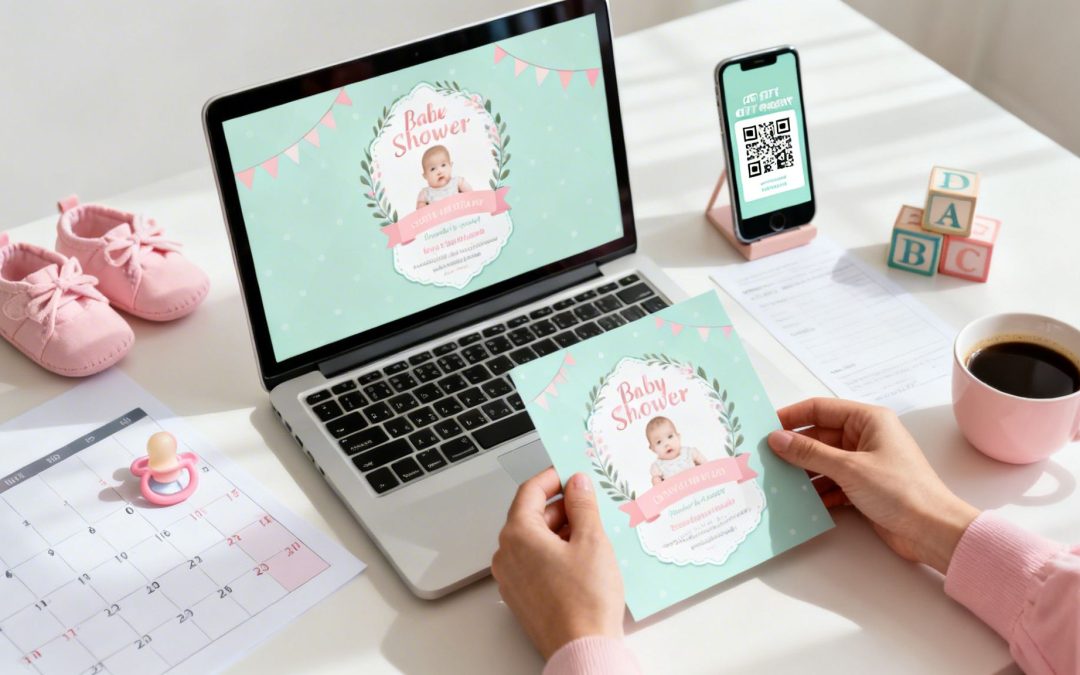
When it comes to baby shower invitations, timing is everything. You'll want to send them out 4 to 6 weeks before the event. This gives your guests enough breathing room to save the date, make any necessary arrangements, and find that perfect gift without feeling like they're in a last-minute scramble. It’s the sweet spot that keeps the celebration top-of-mind.
Your Timeline for Sending Perfect Digital Invitations
Planning a baby shower means juggling a lot of moving parts, but getting your invitation timeline right is the foundation of a great turnout. It’s all about finding that perfect balance—giving people plenty of notice without sending the invite so early it gets lost in their inbox.
Let's walk through a simple, stress-free schedule to get it just right.
The Ideal Sending Window
For most baby showers, that four-to-six-week mark is golden. This timeframe shows you respect your guests' busy schedules, giving them a chance to block out the date, organise a babysitter if needed, and browse your gift registry without any pressure.
If you send them any earlier than eight weeks, you risk the event slipping off their radar entirely. On the flip side, sending them later than three weeks out is a surefire way to get a flood of "so sorry, I'm busy!" replies.
This timeline also gives you a much-needed buffer to handle all the party logistics that hinge on your final headcount.
This visual timeline breaks it down nicely, from gathering your info to sending the invites and following up.
As you can see, it’s more than just clicking 'send'. It’s a series of well-timed steps that pave the way for a memorable day.
Setting RSVP and Reminder Dates
Once you’ve locked in your send date, the next big decision is your RSVP deadline. A good rule of thumb is to ask guests to reply two to three weeks before the shower. This gives you a solid guest count with enough time to finalise catering numbers, figure out seating, and buy party favours without that last-minute panic setting in.
Most online invitation platforms let you schedule automated reminders, which is a lifesaver. I always suggest setting up a gentle nudge to go out a few days before the RSVP deadline to anyone who hasn't replied. It’s also a nice touch to send a final confirmation email with all the key details a week before the party.
Expert Tip: Don't stress if you remember someone after you've sent the first batch of invites—it happens to the best of us! With digital invitations, you can simply add their email address and send it off instantly. They'll get all the same info and won't feel like a B-list addition.
This kind of organised approach helps you stay on track and makes your guests feel well-informed and genuinely excited to celebrate. A clear timeline really is the secret to a smooth, memorable baby shower.
Crafting Invitation Wording That Charms Your Guests
The words you choose for your online baby shower invitations do more than just relay facts; they set the whole tone for the day. This is your first chance to get everyone excited and to reflect the unique style of the parents-to-be. Whether you're going for sweet and classic or fun and modern, nailing the wording is a must.
Before you get creative, it’s best to lock down the essentials. Think of this as the non-negotiable checklist that ensures everyone knows where they need to be and when.
Every invitation has to include:
Who you're celebrating: The name of the expectant parent or parents.
What you're celebrating: "Join us for a baby shower honouring…"
The date and time: Get specific. "Saturday, 23rd November from 2:00 PM to 4:00 PM" is much better than "Saturday afternoon."
The location: A full address is crucial, and a quick note on parking or entry is always appreciated.
The host(s): Let guests know who’s throwing the party.
RSVP details: Give a clear 'reply by' date and simple instructions on how to respond. Digital invites make this part easy with a simple click.
Finding Your Perfect Tone
With the basics sorted, it’s time for the fun part—injecting some personality! The tone should feel authentic to the parents-to-be and the type of event you’re planning. A casual backyard get-together calls for a completely different vibe than a more formal afternoon tea.
If you’re aiming for a lighthearted, fun shower, you could try something like this:
"Bottles and booties and bibs, oh my! Join us for a baby shower to celebrate [Parent's Name] and her little guy. Get ready for games, giggles, and good times!"
On the other hand, if a classic and elegant feel is more their style, you might go with:
"You are warmly invited to a baby shower in honour of [Parent's Name] as she prepares for her little one's arrival. Please join us for an afternoon of celebration and sweet anticipation."
See how a few small changes can completely alter the invitation's feel? It’s all about creating the right first impression.
Navigating Special Circumstances with Grace
Not every baby shower follows the same script. You might be hosting a "baby sprinkle" for a second or third child, a co-ed "Jack and Jill" shower, or wondering how to share registry details without sounding demanding. Handling these scenarios with clear and thoughtful wording makes all the difference in helping guests feel informed and comfortable.
For a Baby Sprinkle: Make it clear the focus is on celebrating the new arrival, not on big gifts. A line like, "A little sprinkle of love for [Parent's Name]'s second bundle of joy! Your presence is the only present required," works beautifully.
For a Co-ed Shower: Use inclusive language so everyone feels welcome. Try something like, "Let's shower them both! Join us for a relaxed get-together to celebrate [Partner 1] and [Partner 2]."
When it comes to mentioning gifts, a little tact goes a long way. The best approach is always a polite and subtle one. Instead of making the registry the main event, add the information towards the bottom of the invite or on a separate details card.
Wording Tip: Frame the registry as a helpful suggestion for those who are wondering, not as a demand. A simple phrase like, "For those who have asked, the parents-to-be are registered at EasyRegistry to help them prepare," feels thoughtful and takes the pressure off everyone.
Finding the Perfect Design and Platform for Your Invites
Think of your invitation as the opening act for your baby shower. It's the very first glimpse your guests will get of the celebration, setting the tone long before anyone plays a game or opens a gift. Choosing the right design and platform is all about finding that sweet spot between your personal style, practical features, and a tool that's genuinely easy to use.
The good news? Going digital has made this whole process a lot simpler and more creative. The shift to online baby shower invitations has been massive in Australia, especially since 2020. With 97.1% of the population online, sending invites via email or SMS has become the standard for busy parents-to-be. You can read more about how families are embracing this trend over at Pocketwell.
This convenience opens up a world of beautiful design possibilities, all just a few clicks away.
Matching the Design to Your Baby Shower Theme
Before you dive into browsing templates, take a moment to think about the vibe of your party. A cohesive theme makes everything feel more special and put-together, and your invitation is the perfect place to start.
Minimalist and Modern? If you're planning a chic, understated get-together, look for designs with clean lines, simple fonts, and a neutral colour palette.
Rustic and Whimsical? For a more relaxed, nature-inspired shower, you might lean towards watercolour illustrations of woodland creatures, soft florals, or a charming "cottage garden" feel.
Bold and Playful? Don't shy away from vibrant colours and fun graphics if your party is going to be lively and full of games. Let the invite reflect that energy!
A little tip from experience: Jump on Pinterest and create a quick mood board. Pin colours, decorations, and textures that catch your eye. Having this visual guide makes it so much easier to pick an invitation template that feels just right.
What to Look For in an Online Invitation Platform
Honestly, not all online invitation tools are built the same. A gorgeous design is a great start, but it's the functionality running in the background that will truly save you time and headaches. When you're weighing up your options, having a look at an event management software comparison can be a real eye-opener.
You want a platform that does more than just send a pretty picture. The best services are designed to make managing your entire event a breeze.
Must-Have Platform Features:
Feature
Why It’s a Game-Changer
Customisation Options
You need the freedom to tweak colours, fonts, and layouts to perfectly match your theme.
Automatic RSVP Tracking
This is a big one. Look for real-time tracking that updates your guest list automatically—no more manual spreadsheets!
Guest Messaging Tools
The ability to send a quick reminder or an update to all your guests at once is an absolute lifesaver.
Mobile-Friendly Design
Let's face it, most people will open the invite on their phone. It has to look great and be easy to read on a small screen.
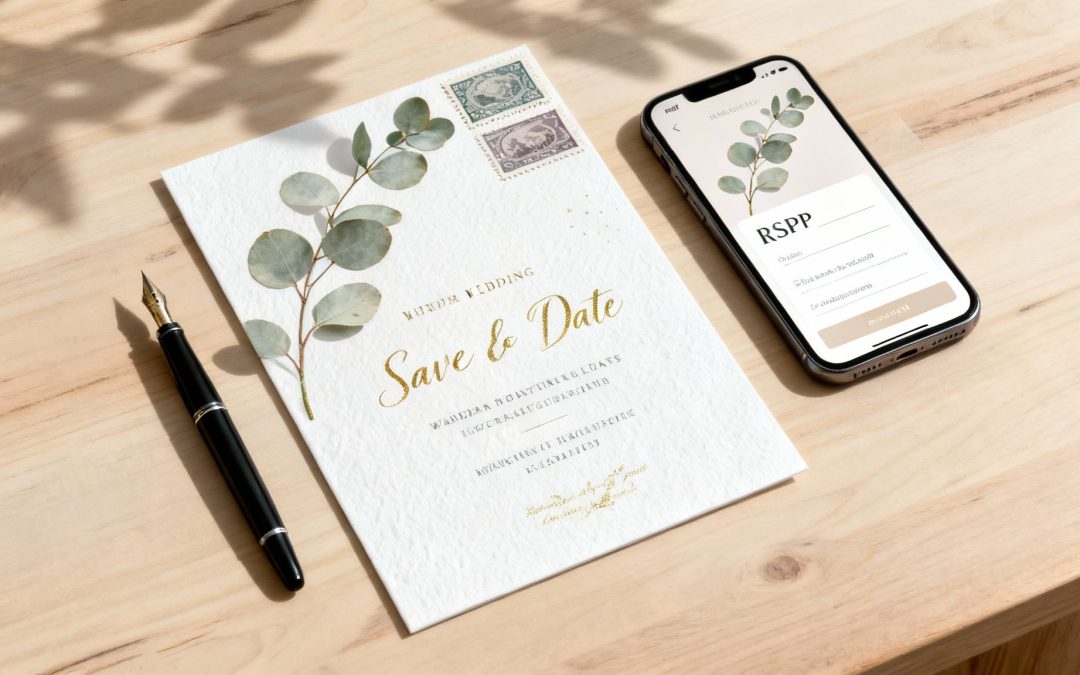
Many of the best platforms now also give you the option to add a QR code to a physical invitation. It's a fantastic little trick for bridging the gap between digital convenience and a traditional feel for guests who might not be as tech-savvy.
Ultimately, you want a tool that feels intuitive and acts like a digital assistant, handling the logistics so you can focus on the fun stuff. A user-friendly interface isn't just a nice-to-have; it's essential. Planning a party should be exciting, not a chore.
Weaving Your EasyRegistry Gift List into Your Invitation
Let's be honest: one of the kindest things you can do for your guests is to make gift-giving easy. Nobody wants to guess or buy something you don't need. This is where integrating your EasyRegistry gift list directly into your online baby shower invitations becomes a lifesaver.
The trick is to frame it as a helpful suggestion, not a demand. When you do this, guests feel guided and appreciated, and the focus stays exactly where it should be—on celebrating the new arrival. It's a small, modern touch that makes a big difference for everyone.
Getting Your Registry Link in Front of Your Guests
Think of your digital invitation as the central hub for the whole event. It's the perfect place to pop your registry link, and thankfully, most modern invitation platforms are built for exactly this. They often have dedicated sections or buttons just for gift information.
Here are a few of the most popular ways hosts share their link:
A simple, clickable link: This is the most direct route. Place a link in the main text or a special "Registry" section, and guests can click straight through to your list.
A dedicated event page: Many platforms let you build a mini-website for your shower. You can create a page for the registry alongside other details like directions or parking info.
A scannable QR code: This is a fantastic touch, especially if you're sending a physical card as a keepsake. A quick scan with a phone, and they're on your registry.
Whichever method you choose, the goal is the same: make it effortless for guests to find your list.
A Little Tip From Experience: The whole point is convenience. By including your registry link, you're saving guests from that slightly awkward "So, where are you registered?" conversation. It smooths out the entire process.
How to Word the Registry Details
The way you word your registry information matters just as much as where you put it. You want the tone to be warm, helpful, and completely optional. A good rule of thumb is to avoid placing the registry link right at the very top of the invitation. Tuck it towards the bottom or on a separate details page to keep the focus on the celebration itself.
Here are a few examples of wording that strikes the right balance:
Simple & Sweet: "For those who have asked, we've put together a small gift list with EasyRegistry to help us get ready for our little one."
Warm & Casual: "Your presence is the only gift we need! But if you’d like to help us prepare for the baby's arrival, you can view our registry here."
Focus on Group Gifting: "Many of you have enquired about gifts. We’ve created a registry for some of the bigger items we're hoping for. Contributing to a group gift is a wonderful option!"
These phrases get the message across beautifully, expressing gratitude while providing clear, useful information.
To help you decide on the best way to share your link, here’s a quick comparison of the most common methods hosts use.
Effective Ways to Share Your EasyRegistry Link
Sharing Method
Best For
Guest Experience
Pro Tip
Direct Clickable Link
Keeping it simple and direct. Perfect for email or text-based invitations where guests expect to click.
Super easy. Guests click once and are taken directly to your list without any extra steps.
Make the link text descriptive, like "View Our Baby Registry" instead of just pasting the URL.
Dedicated Event Page
Events with multiple details to share (e.g., maps, accommodation info, dress code).
Very organised. Guests find all information in one spot, which feels professional and thoughtful.
Add a short, personal note on this page explaining why you chose certain items for your registry.
QR Code
Hybrid events where you might send a digital invite but also have a printed version as a keepsake.
Modern and quick. Guests who prefer using their phone will love the instant access.
Always include a standard URL link as well, just in case some guests aren't comfortable with QR codes.
Registry Section/Button
Using dedicated invitation platforms like Paperless Post or Evite that have built-in features.
Seamless and integrated. The registry feels like a natural part of the invitation, not an afterthought.
Explore the platform's design options to make the registry button match your invitation's theme.
Ultimately, the best method is the one that feels most natural for you and is easiest for your specific group of guests.
For more inspiration on building the perfect list, you can learn more about creating a baby shower registry that truly reflects what you need. A well-planned registry, shared thoughtfully, is the perfect finishing touch to a beautiful baby shower invitation.
Making RSVP and Guest Communication a Breeze
Once your gorgeous online invitations baby shower are out in the world, the real fun begins: watching the RSVPs roll in and keeping everyone in the loop. This is honestly where digital platforms are a total game-changer, turning what was once a headache of spreadsheets and phone calls into a smooth, automated process.
The best part? The platform does most of the heavy lifting. As your guests click "Yes," "No," or "Maybe," your guest list updates itself in real-time. This live headcount is a lifesaver for finalising catering numbers, ordering the right amount of party favours, or figuring out seating without any last-minute panic. If you're used to doing things manually, switching to dedicated tools for online registration for events can feel like a revelation.
Keeping Track of Every Single Reply
Even with the slickest digital system, you'll always have a few guests who go off-script. Your aunty might send a quick text, or a close friend might tell you they're coming during a phone call. It happens!
The trick is to manually add these verbal or text RSVPs to your digital guest list the moment you get them. This simple habit keeps your headcount spot-on and ensures no one is accidentally left out of important updates you send through the platform later. Trust me, having one central, accurate list is your best friend during the final planning stages.
Sending Gentle Nudges and Important Updates
So, what do you do about the guests who miss the RSVP deadline? This used to be so awkward, but modern invitation platforms make it incredibly simple. You can usually send a pre-written, polite reminder that only goes to those who haven't replied. No more chasing people down one by one.
This feature is also brilliant for any last-minute changes. Need to shift to the backup wet-weather venue or send out a map with parking instructions? You can blast a message to all your "attending" guests in seconds.
Pro Tip: A week before the party, use the platform's messaging feature to build a little excitement. A quick note like, "Can't wait to celebrate with you all next Saturday!" is a great way to remind everyone of the details and get them looking forward to the day.
Even after the party's over, the platform is still useful. You can use that same guest list to send out personalised digital thank-you notes—a thoughtful, modern touch that wraps everything up beautifully. This seamless management, from the first invite to the final thank you, is exactly why these tools are so popular. You can check out some of these incredibly handy EasyRegistry features to see just how much easier they can make your planning.
Got Questions About Your Online Baby Shower Invites? We've Got Answers
Stepping into the world of digital invites can bring up a few questions, especially when it comes to getting the etiquette and timing just right. Let's tackle some of the most common things hosts wonder about, so you can send your invites with total confidence.
When’s the Best Time to Send Them Out?
This is probably the number one question I get asked. You want to hit that sweet spot – not too early, not too late. I’ve found that sending your online baby shower invitations four to six weeks before the party is perfect.
This gives everyone enough notice to clear their calendars, sort out babysitters, and have a relaxed look through your gift registry. Send them any earlier, and your invite might get lost in the shuffle of a busy inbox. Any later, and you'll find a lot of people are already booked up.
If you're hosting a virtual shower where nobody needs to travel, you can tighten that timeline a bit. Three to four weeks is usually plenty of notice.
Is It Tacky to Put My Registry Link on the Invite?
Not at all! It’s actually incredibly helpful for your guests. These days, everyone expects to see a registry link, and honestly, they appreciate it. It takes all the stress and guesswork out of choosing a gift.
The trick is how you present it. You don’t want it to feel like the main event.
I always advise clients to add a simple, polite note near the end of the invitation. Something like, "Your presence is the only gift we need, but if you'd like to help us prepare for the baby, our registry is available here." This feels like a helpful pointer, not a demand.
This way, the focus stays on celebrating with you, which is exactly where it should be.
How Do I Handle Guests Who Aren't Great with Technology?
This is a really thoughtful question, and it's important to make sure everyone feels included. For guests who might not be glued to their email (like some grandparents or older relatives), a hybrid approach works beautifully.
Once you've sent out the main e-invites, make a short list of people who might prefer a different method. A quick, personal phone call is often the best way to go. You can share all the exciting details and let them know how much you'd love for them to be there.
For an extra special touch, you can even print a copy of the invitation and pop it in the mail for them. It’s a small gesture that means the world and ensures none of your loved ones miss out. For more answers to common queries, you can also explore our detailed frequently asked questions page.
Ready to create a beautiful, stress-free gift list for your celebration? With EasyRegistry, you can build the perfect registry in minutes and share it seamlessly with your guests. Get started with your free baby shower registry today!
So, you're getting married! Amidst the whirlwind of venue scouting and cake tasting, one of the very first things to land on your to-do list should be your save the date cards. Far from being just another piece of wedding stationery, they're your official opening act.
Think of them as the trailer for your wedding movie. They don't give away the whole plot, but they set the scene and get everyone excited for the main event.
Giving Your Guests a Much-Needed Heads-Up
Let's be practical. The main job of a save the date is to give your favourite people enough time to actually plan to be there. This is a game-changer, especially for anyone who needs to travel.
Whether you've got friends flying in from interstate or family making a long drive, that early notice is what allows them to:
Snag cheaper travel and accommodation: We all know booking flights and hotels last minute is a recipe for a budget blowout.
Book time off work: Getting annual leave approved often takes time, so the more notice, the better.
Line up childcare: For parents, organising a babysitter for a whole weekend isn't always a simple task.
Sort out their finances: Being a wedding guest is an honour, but it can be costly. A heads-up helps everyone budget properly.
Here in Australia, with longer engagements becoming more common, locking in your date with guests early is more critical than ever. We're seeing more couples push their weddings out to save up, with recent research showing 40% of couples are extending their engagements by a full year. This makes a save the date essential for making sure your VIPs are available. You can read more about what's happening in the local wedding scene in the 2024 Australian Wedding Industry Report.
Setting the Scene for Your Big Day
Beyond the pure logistics, your save the date is the very first taste your guests get of your wedding's vibe. It’s your chance to make a brilliant first impression and start building that buzz.
Your save the date isn't just an announcement; it's the prologue to your wedding story. It sets the scene, introduces the main characters (that’s you!), and gives everyone a reason to be excited for the main event.
This is where you start to tell your story. A sleek, minimalist card hints at a modern city wedding, while something with a floral, rustic feel might suggest a relaxed celebration in the countryside. It’s your first real opportunity to show off your personality as a couple. You’re not just asking them to circle a date on the calendar; you're officially inviting them to be part of your journey from the get-go.
Nailing the Timing and Guest List Etiquette
Figuring out when to send your save the dates is one of the first big decisions you'll make, and it really comes down to two things: where you're getting married and who's coming. The whole point is to give your favourite people a heads-up, so the more notice they need, the earlier you should get them in the mail.
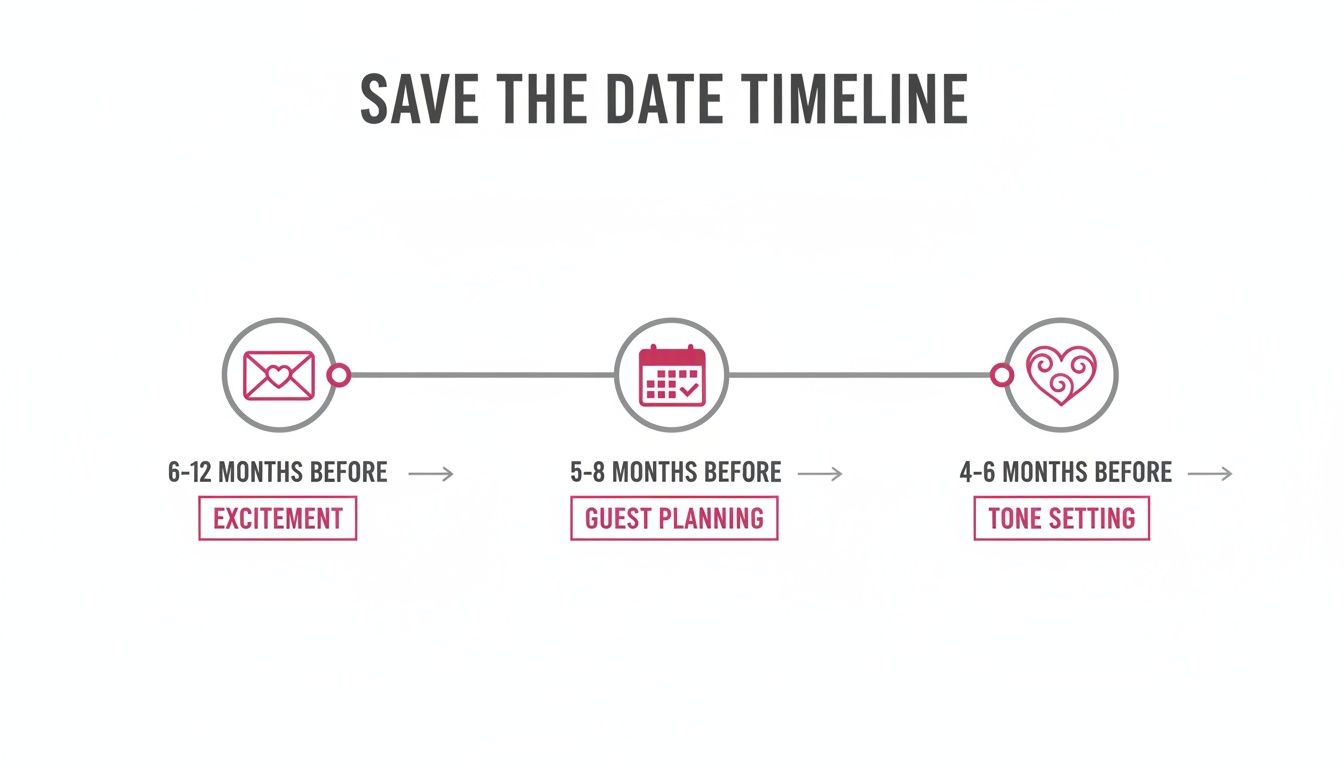
For a local wedding where most of your guests live nearby, the sweet spot is around six to eight months before the big day. This gives everyone plenty of time to pop it on their calendar and book a day or two off work, but it’s not so far in advance that they forget about it entirely.
What About Destination Weddings?
That standard timeline goes right out the window if you’re planning a destination wedding or have lots of guests flying in from interstate or overseas. For these situations, you need to be way more generous with your timing.
If your wedding involves passports and serious travel plans, you’ll want to send your save the dates nine to twelve months in advance. Honestly, you can’t give too much notice here. This gives your guests the best possible chance to scout out affordable flights, book good accommodation, and sort out their annual leave. The earlier they know, the more likely they can make it.
It all starts with that initial excitement, moves into the nitty-gritty of guest planning, and then you set the whole vibe for your event.
This journey from a happy announcement to practical planning is why a solid timeline is so crucial. Following a comprehensive ultimate wedding planning timeline can be a real lifesaver.
The Unbreakable Rule of the Guest List
Okay, let's get serious for a moment about the single most important rule of wedding etiquette: if you send someone a save the date, you must send them a wedding invitation. No ifs, ands, or buts.
A save the date isn't a "maybe" or a way to test the waters. It's a promise that a formal invitation is coming their way. Sending one and then pulling the invitation is a major faux pas that will definitely cause hurt and confusion. Before you order a single card or click 'send' on an e-vite, your guest list needs to be locked in.
Think of your save the date list as your final "A-list." You can always add more people later by just sending them an invitation, but you can never, ever subtract someone once they've received a save the date.
This is why it's so important to have your venue's capacity confirmed. Before you tell anyone to mark their calendar, be absolutely sure you and your budget can accommodate every single person on that list. If you're still deciding on a spot, check out our guide on the crucial https://blog.easyregistry.com.au/wedding-venue-questions/ to help you finalise those details.
How to Handle Plus-Ones (and Avoid Awkwardness)
Clarity is everything when it comes to your guest list. Your save the date should make it crystal clear exactly who is invited, which saves you from so many headaches later on.
Couples: Address the card to both people by name (e.g., "Sarah Chen & David Miller").
Single guests with a plus-one: If you’re happy for them to bring someone, write "James Smith & Guest." This explicitly gives them the option.
Families: If you’re inviting kids, address it to "The Thompson Family." If it’s an adults-only affair, address it just to the parents ("Mr & Mrs Thompson").
Being specific right from the start manages everyone's expectations and helps you dodge those tricky "So, can I bring my cousin?" conversations. Your save the dates are the first impression of your wedding—make it a clear and thoughtful one.
Crafting Wording That Is Clear And Captivating
The words on your save the date are more than just an announcement; they’re the very first glimpse your guests get into your wedding story. It’s their first impression, setting the tone and delivering the need-to-know info, all while showing off your unique personality as a couple. The trick is to find that sweet spot between crystal-clear information and your own personal flair.
At the end of the day, the message needs to be simple and straight to the point. Drowning your guests in details will only cause confusion and take away from the card’s main job: getting them to circle the date on their calendar. Think of it as the headline, not the full story—that can come later on your wedding website and the formal invitation.
The Absolute Must-Haves
Before you start getting creative, there are a few non-negotiable details every save the date needs. Skip any of these, and you can expect a flood of texts and calls from confused friends and family.
Make sure your card clearly states:
Your Names: Seems obvious, but you need to be clear about who’s getting married! Whether you use first names or full names really depends on how formal your wedding will be.
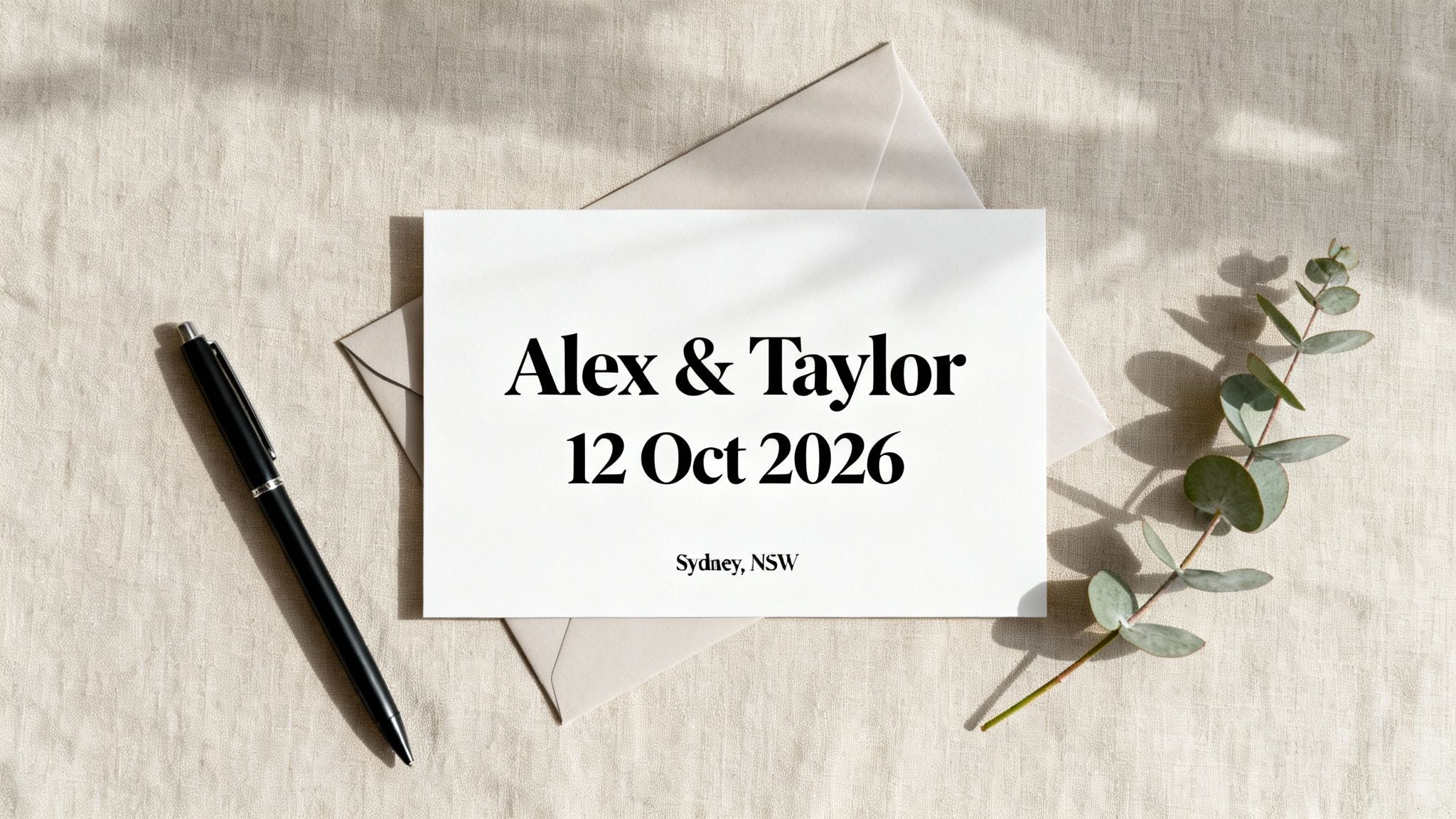
The Wedding Date: This is the hero of the card. Always include the full date—day of the week, date, month, and year—to avoid any mix-ups. For example, "Saturday, 25 October 2025".
The Location (City and State/Country): Your guests don't need the exact venue address just yet. What they do need is the city and state (or country, if it's a destination wedding). This is the crucial bit of info they'll use to book flights and accommodation.
A Note About the Formal Invitation: A simple line like "Formal invitation to follow" is a must. It lets everyone know this isn't the final invitation, so they shouldn't be hunting for an RSVP card.
Think of your save the date as a friendly heads-up, not a formal summons. The language should feel personal and exciting, giving guests just enough information to get them planning without overwhelming them with details that might still change.
What To Leave Out For Now
Just as important as what you put on the card is what you leave off. A common mistake is cluttering the save the date with too much information, which can create confusion. Save the finer points for the formal invitation and your wedding website.
For now, be sure to skip:
Specific Venue Details: The city is enough for now. You can share the ceremony and reception locations later on.
Registry Information: It’s considered poor etiquette to put gift registry details on a save the date. This is best placed on your wedding website or shared by close family if guests ask.
RSVP Requests: It’s way too early to ask for a firm headcount. The official RSVPs will be collected with the formal invitations, which are typically sent 6-8 weeks before the wedding.
A Detailed Schedule: Times for the ceremony, cocktail hour, and reception are not necessary at this stage. Plus, these details are often finalised much closer to the date.
Finding Your Voice: Wording Examples For Every Style
Now for the fun part—letting your personality shine through. The tone you choose should be a true reflection of you as a couple and the vibe you want for your wedding day. Are you planning an elegant, black-tie affair or a chilled-out, barefoot-on-the-beach kind of day?
Finding the right words can be tough, so here are a few examples to get you started, sorted by the kind of wedding you're planning.
Save The Date Wording Examples for Every Style
Wedding Style
Wording Example
Traditional & Formal
"Please save the date for the wedding of Amelia Grace Thompson and Liam James Carter"
Modern & Casual
"Save our date! Chloe & Ben are getting married!"
Minimalist & Chic
"Save the Date. Olivia and Jack. 25.10.25. Melbourne, VIC."
Playful & Humorous
"It’s about time! Save the date for Zoe & Leo's wedding."
Destination Wedding
"Pack your bags! We’re getting married in Bali! Save the date for Mia and Noah."
Ultimately, the best wording for your save the date is whatever feels most authentic to you. It’s the first chapter of your wedding story, so have fun with it and make it a great one.
Choosing Between Paper and Digital Designs
Alright, you’ve sorted out your guest list and locked in a timeline. Now for the fun part: deciding what your save the dates will actually look and feel like. This is where your wedding's visual story really begins, and the choice between traditional paper and sleek digital designs says a lot about your style, budget, and the vibe you want to create.
Honestly, there’s no right or wrong answer here. The best choice is the one that feels most like you as a couple. Let's break down the pros and cons of each to help you land on the perfect fit for your big day.
The Timeless Charm of Tangible Cards
There's just something special about receiving a beautiful piece of mail, isn't there? A physical save the date is a tangible keepsake your guests can stick on the fridge—a happy, constant reminder of the celebration to come. This traditional route immediately sets a certain tone, often hinting at a more formal or classic wedding style.
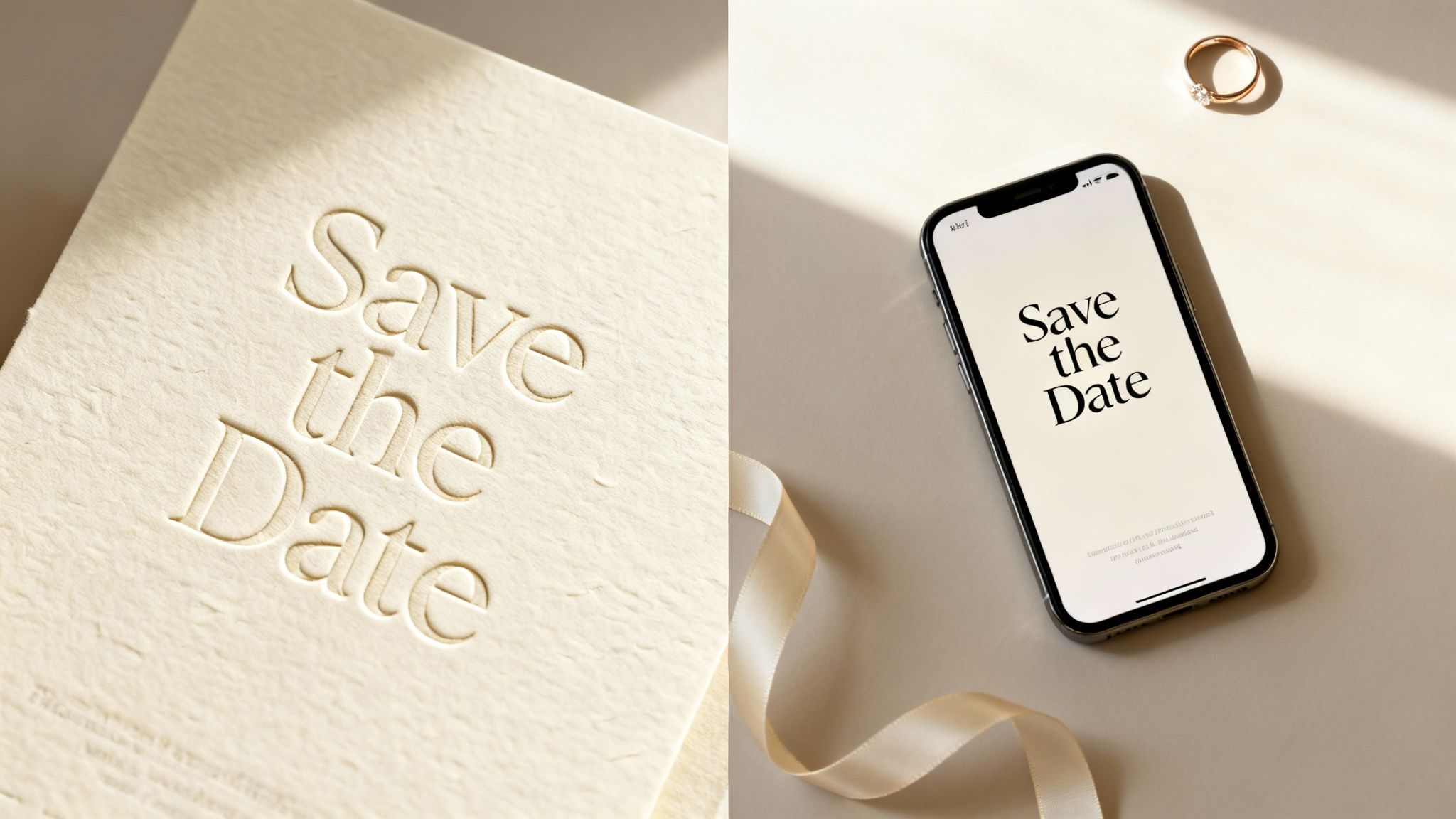
You simply can't replicate the tactile experience of paper. The weight of the cardstock, the texture of a letterpress design, or the shimmer of gold foil all combine to make a powerful first impression. These little details make your announcement feel significant and thoughtfully planned.
It's this sentiment that keeps physical cards so popular. Even with all the digital options out there, traditional stationery still dominates for milestone events like weddings because it just feels more special.
Exploring Your Paper and Print Options
If you're leaning towards paper, you’ve got a whole world of creative possibilities to explore. The materials you choose will have a huge impact on the final look and feel of your announcement.
Paper Stock: This is all about the thickness and texture of your card. A heavier stock (measured in GSM, or grams per square metre) feels more luxurious and substantial. You can choose from smooth matte and glossy finishes to more textured linen or even eco-friendly recycled paper. For a deep dive, check out a comprehensive guide to paper weights—it's surprisingly helpful.
Printing Techniques: Different methods create completely different effects. Digital printing is the most common and budget-friendly option. For a more high-end, tactile finish, look into techniques like letterpress (where the design is pressed into the paper) or foil stamping.
Key Takeaway: A physical save the date is more than just information; it’s a sensory experience. The weight, texture, and visual details create a lasting impression and give your guests a tangible piece of your wedding story to hold onto.
The Efficiency and Ease of Digital Designs
For modern, eco-conscious, or budget-savvy couples, digital save the dates are a brilliant alternative. They offer unmatched convenience and speed. With just a few clicks, your announcement can land directly in your guests' inboxes, saving you a small fortune on postage and reducing your wedding's carbon footprint.
Digital platforms also make managing your guest list a breeze. You can track who has opened the email, send out gentle reminders, and link everyone directly to your wedding website. This immediate connection is a massive plus, as it encourages guests to check out travel details or accommodation options straight away.
This approach works especially well for more casual weddings or for couples who are used to managing their lives online. It reflects a modern, streamlined style of planning.
Considering a Hybrid Approach?
You don't have to be all-or-nothing. A hybrid model can genuinely offer the best of both worlds.
Many couples send beautiful paper save the dates to close family and older guests who they know will appreciate a traditional announcement. Then, they’ll send a stylish e-card to friends and younger relatives who are perfectly happy with digital comms. This method is thoughtful and efficient, ensuring everyone feels included while you still get to take advantage of digital convenience.
Using Wedding Websites and QR Codes Effectively
Think of your save-the-date card as more than just a heads-up. It's really the first official touchpoint of your wedding experience, and by pairing it with a wedding website and a QR code, you can turn that small piece of paper into a super-helpful info hub for your guests. It’s a bit of a game-changer for modern wedding planning.
A wedding website becomes the single source of truth for your guests. It answers all their questions before they even have a chance to ask them, which drastically cuts down on those repetitive texts and phone calls about logistics. This frees you up to focus on the bigger picture and lets you share more of your story to get everyone excited.
What to Include on Your Website at This Stage
Don't feel pressured to have your entire wedding website perfectly polished when the save-the-dates go out. The real goal right now is to give your guests the essential details they need to start planning, especially if they’re travelling.
Here’s what you should aim to have live:
A Warm Welcome & Your Story: A short welcome message and a little background on you as a couple really helps guests feel connected to the celebration.
The Key Event Details: Just reiterate your names, the date, and the city or town. You don't need to have the specific venue locked in and announced, but confirming the general location is crucial.
Travel and Accommodation Advice: This is probably the most important part for out-of-towners. Suggest a few hotels (and mention any room blocks you've arranged), list the closest airports, and offer some tips for getting around.
A Simple FAQ Section: Start with the big questions you anticipate, like "Is there a dress code?" or "Can we bring our kids?". You can always add to this later as more queries come in.
The finer points—like the detailed schedule for the day, menu choices, and specific transport plans—can absolutely wait until you send the formal invitations. For now, it's all about providing just enough information to make things easy.
By directing guests to a central online hub, you streamline communication from day one. A wedding website paired with a QR code on your save the date cards empowers guests to find information independently, making their experience smoother and your planning process far more organised.
The Power of a Simple QR Code
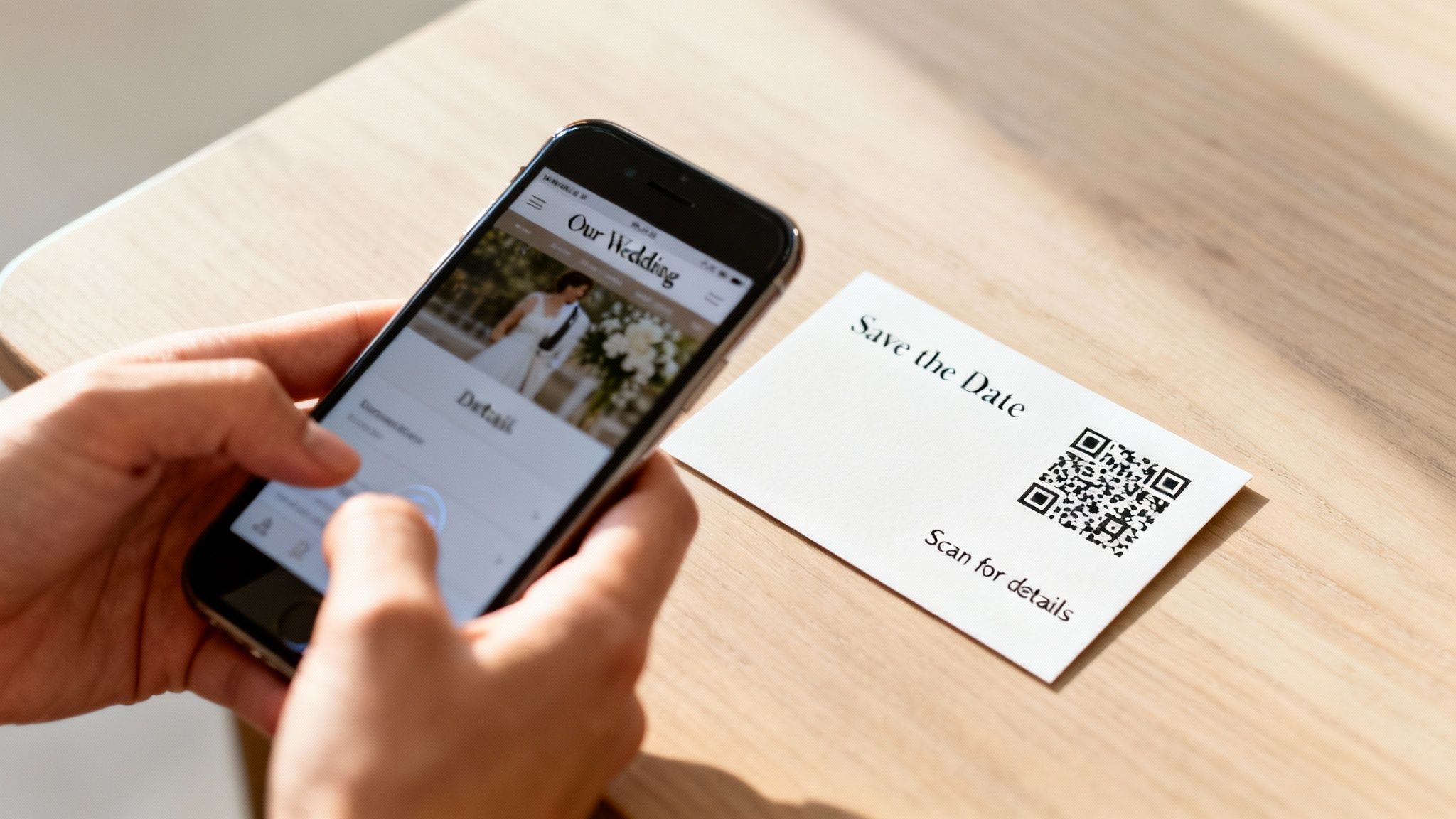
QR codes have become the seamless bridge between your physical save-the-date and your digital wedding website. In fact, recent data shows that 38% of couples now include QR codes on their wedding stationery. It's a simple, effective tool that virtually everyone with a smartphone knows how to use.
With a quick scan, your guests get instant access to all the helpful information you've put together on your website. No more squinting to type out a long, complicated URL. They just point their camera, and they’re there.
It's all about making things easy for your guests, and a clean, user-friendly interface makes all the difference. When the time comes for your gift registry, you’ll see how a simple design can make the process smooth for everyone. You can learn more about how an online registry works to see just how seamless it can be.
Getting the Call-to-Action Right
Don't just slap a QR code on your card and call it a day! You need to give your guests a little nudge in the right direction. A clear, friendly call-to-action is key to getting them to actually scan it.
Keep the wording simple and direct. Something like:
"Scan for our wedding website and travel details!"
"For more info and to read our story, pop over to our website."
"Visit our wedding website for accommodation tips and more."
This tiny bit of text removes any confusion and encourages people to engage with your website straight away. It’s a small detail that makes a huge difference in keeping everyone in the loop and excited for your big day.
Your Save The Date Questions, Answered
Even with a perfect plan, you’re bound to have questions crop up when you get to the wedding stationery stage. We get it. Let’s walk through some of the most common queries we see, with clear answers to help you tick this off your list with confidence.
Do We Really Need to Send Save The Dates to Everyone?
Not necessarily, but it’s a very smart move for your most important people. Think of them as non-negotiable for anyone travelling from interstate or overseas, your immediate family, and your wedding party. These are the people who need a serious heads-up to book flights, sort out accommodation, and take time off work.
What about local guests? It’s a lovely gesture but less critical, especially if you have a shorter engagement.
Just remember the golden rule: anyone who gets a save the date must get a formal invitation later. This is a promise, so only send them to people you are 100% sure will be on your final guest list. There’s no taking it back.
What’s the Biggest Mistake Couples Make?
Hands down, the single biggest mistake is sending save the dates before the guest list is set in stone. It’s so tempting to get excited and send them out, but a save the date is a commitment to send an invitation. If you have to cut people later due to budget or venue limits, it creates hurt feelings and incredibly awkward conversations.
Another classic slip-up is putting way too much information on the card. Details about your gift registry, the exact ceremony time, or the dress code can all wait. Keep it clean and simple—save the nitty-gritty for the wedding website and the formal invitation.
The point of a save the date is to inform, not overwhelm. Keeping it simple and sending it only to a confirmed guest list sets a clear, considerate tone for your whole wedding experience.
Should We Ask for RSVPs on the Save The Date?
Definitely not. The whole point is just to give your guests a heads-up so they can block out the date. You're not asking for a firm commitment this far out. People’s plans change, and any RSVPs you collect now will be unreliable.
However, you can use it to get a soft headcount. A great way to do this is by adding a friendly note next to your wedding website details. Something like, "Head to our website for travel info and to let us know if you think you can make it!" This gives you a rough idea of numbers without pressuring anyone for a final answer. Save the formal RSVPs for the official invitations.
Is It Okay to Send Save The Dates by Email?
Absolutely! Digital save the dates are a fantastic, modern option. They’re eco-friendly, budget-conscious, and incredibly efficient—you save a bundle on printing and postage, and they’re delivered instantly. Plus, guests can click straight through to your wedding website.
The key is to know your audience. Older relatives, like grandparents, might not be as comfortable with digital invites and would probably cherish getting a physical card in the mail.
A hybrid approach is often the perfect solution. Many couples now:
Send beautiful paper cards to close family and older guests.
Email a stylish e-card to friends and younger relatives.
This way, everyone gets the news in a format that works for them. If you have more specific questions about how online wedding tools work, our team has put together a detailed list of answers to help with your planning. You can explore our own frequently asked questions for extra guidance.
Ready to streamline your gift-giving experience? With EasyRegistry, you can create a beautiful, user-friendly registry for your wedding, baby shower, or any special occasion. Give your guests the gift of choice and make your planning process simpler. Create your free registry today at https://www.easyregistry.com.au.
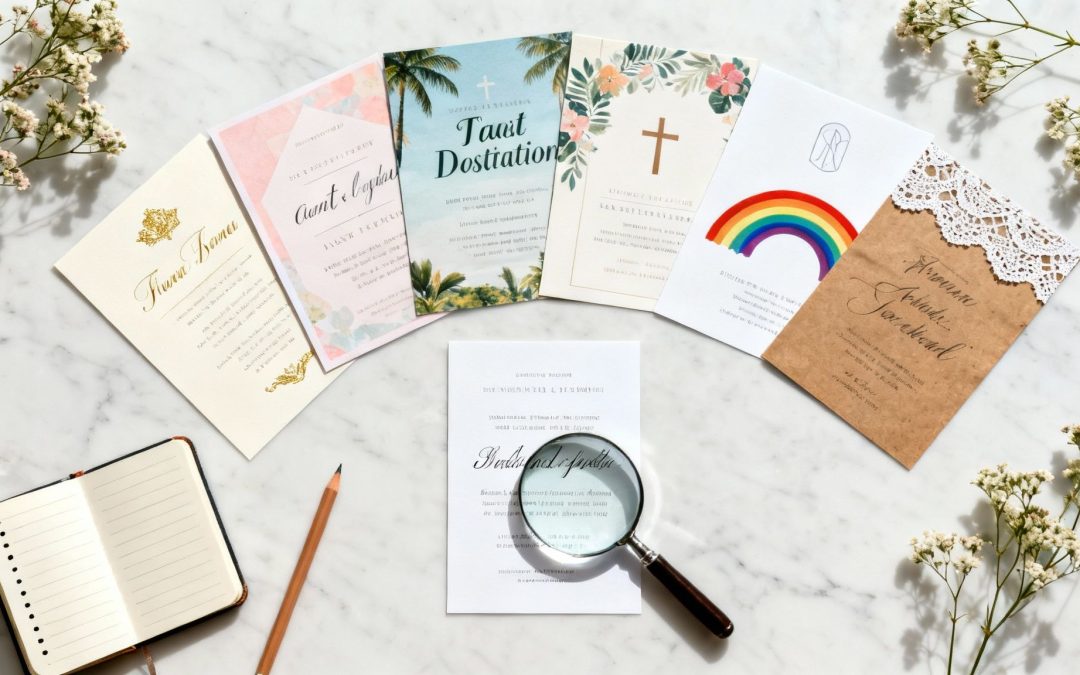
Crafting the perfect wedding invitation sets the tone for your entire celebration, but finding the right words can feel overwhelming. The wedding invitations wording you choose is your guests' first glimpse into your special day, whether it’s a traditionally elegant affair or a relaxed, modern get-together. It’s a key piece of communication that conveys not just the essential details, but the unique spirit of your relationship.
This comprehensive guide is designed to eliminate the guesswork. We’ll break down 8 distinct styles of wedding invitation wording, providing curated examples, strategic analysis, and actionable takeaways for each one. We’ll explore the nuances of etiquette for every situation, from navigating modern family structures and destination weddings to honouring religious customs. Understanding where this task fits into your broader wedding planning timeline is crucial, as it impacts when you need to finalise and send your invitations to give guests ample notice.
Our goal is to help you confidently craft an invitation that is authentic, informative, and perfectly represents your union. Let's dive in and find the ideal phrasing to announce your big day.
1. Traditional Formal Wedding Invitation Wording
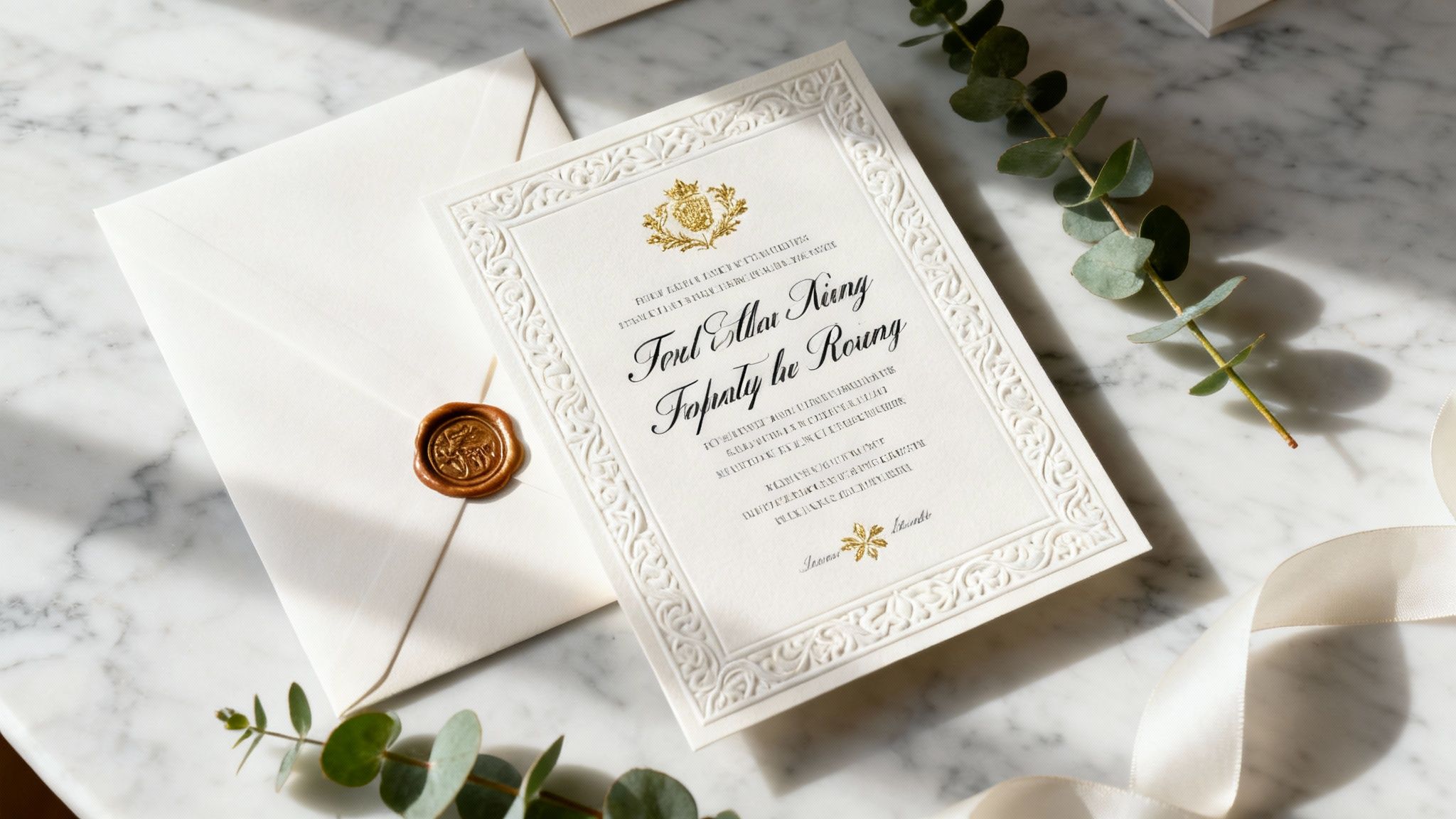
Rooted in centuries of etiquette, traditional formal wedding invitation wording follows a strict structure that honours tradition and family. This style is ideal for classic, black-tie, or religious ceremonies where upholding convention is paramount. The language is sophisticated and impersonal, using a third-person narrative, typically with the bride's parents positioned as the hosts. Every detail, from titles to spelling out numbers, is meticulously handled to convey respect and formality.
Strategic Breakdown
The core strategy of this wording is to communicate the gravity and significance of the event through established social codes. It removes ambiguity and sets a formal tone right from the start, letting guests know what kind of event to expect. This approach is less about personal flair and more about adhering to a time-honoured script that feels elegant and universally understood.
Host-Centric: The invitation is issued by the hosts (traditionally the bride's parents), not the couple. This acknowledges their role in orchestrating and financing the event.
Hierarchical Information: The wording follows a precise order: Hosts, Request Line, The Couple, Date and Time, Venue, and Reception Details.
Specific Phrasing: Key phrases like "request the honour of your presence" are used specifically for ceremonies held in a place of worship, while "request the pleasure of your company" is used for secular venues.
Example and Analysis
Example:
Mr. and Mrs. John Michael Smith request the honour of your presence at the marriage of their daughter Jennifer Anne to Mr. Michael James Thompson Saturday, the twenty-first of September Two thousand and twenty-five at half-past four in the afternoon St. Mary's Cathedral Sydney, New South Wales
This example flawlessly executes the traditional format. It uses full names with titles, spells out all numbers, and employs the correct "honour of your presence" phrasing for a cathedral wedding. For those seeking to maintain classic elegance, reviewing various formal invitation letter examples can provide valuable insights into traditional phrasing and structure. This classic wording also aligns well with traditional gift-giving practices, which can be managed with a modern wedding gift registry.
2. Casual and Modern Wedding Invitation Wording
Breaking away from the strict conventions of the past, casual and modern wedding invitation wording reflects the unique personality of the couple. This contemporary style uses relaxed, conversational language and often presents the couple as the primary hosts, putting their story front and centre. The wording is flexible, allowing for humour, personal anecdotes, and creative phrasing to create an invitation that feels authentic, intimate, and a true representation of the celebration to come.
Strategic Breakdown
The core strategy behind modern wording is to establish a personal connection with guests and set the tone for a relaxed, fun-filled event. It swaps formal titles and third-person phrasing for a more direct and engaging voice. This approach tells guests that the wedding will be less about rigid tradition and more about celebrating the couple's love story in a way that feels genuine to them.
Couple-Centric: The couple is typically the host, inviting guests directly. Phrases like "Together with their families" can be used to acknowledge parental support without adhering to formal hosting lines.
Tone-Setting Language: The choice of words immediately signals the vibe of the wedding. Phrases like "Let's party!" or "We're tying the knot" suggest a high-energy celebration, while softer language can imply a more relaxed, intimate gathering.
Simplified Information: Details are presented clearly and concisely. There is no requirement to spell out numbers or use full middle names, making the invitation easier to read at a glance.
Example and Analysis
Example:
Together with our families Emma Johnson and Ryan Martinez invite you to share in our joy as we say 'I do'
Saturday, 21 September 2024 at 4:30 in the afternoon The Royal Botanic Garden Sydney, New South Wales
Dinner, drinks, and dancing to follow
This example strikes a perfect balance between warmth and clarity. It acknowledges family support while keeping the focus on the couple. The phrase "share in our joy" is inviting and personal, and the clear, scannable format for the date, time, and venue ensures guests have all essential information. This style of wedding invitations wording is ideal for couples who want their stationery to feel both modern and heartfelt.
3. Couple-Hosted Wedding Invitation Wording
Reflecting a modern shift in wedding traditions, couple-hosted wedding invitation wording is used when the couple themselves are the hosts of the celebration. This approach, increasingly common as couples marry later or prefer to take financial ownership, places the couple's names at the forefront. The tone can range from formal to casual, but the core message is one of partnership and independence, inviting guests to celebrate a union they have personally orchestrated.
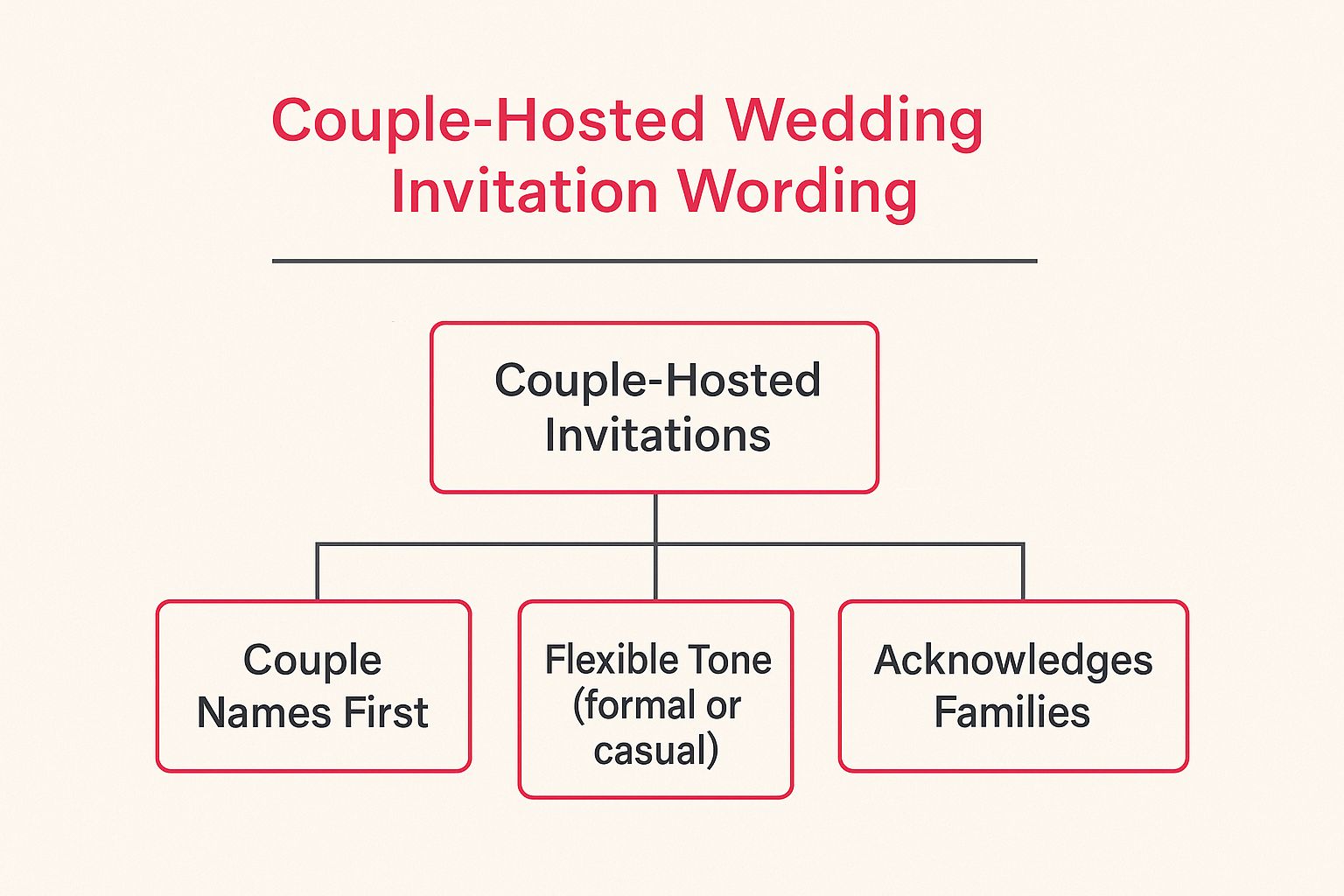
The infographic below outlines the hierarchical structure of this wording style, showing how the couple takes precedence while still allowing for family acknowledgement.
This visualisation highlights that the primary focus is always the couple, with tonal flexibility and family inclusion serving as secondary, optional layers.
Strategic Breakdown
The core strategy here is to clearly communicate that the couple is issuing the invitation, which re-frames the event as a celebration hosted by two partners beginning their new life together. This wording choice sets a tone of modern autonomy while still maintaining the grace and importance of the occasion. It allows for greater personalisation and directly reflects who is managing the event.
Couple as Primary Hosts: The couple's names appear first, immediately establishing them as the hosts. This is a fundamental departure from traditional wording.
Inclusive Language: Phrases like "Together with their families" or "Along with our parents" are often used. This is a strategic way to honour parental support without ceding the primary host role.
Tone Versatility: Unlike the strictness of traditional wording, this style can be adapted to suit any level of formality, from a black-tie affair to a relaxed backyard gathering.
Example and Analysis
Example:
Together with their families Rachel Anne Green and Ross Geller request the pleasure of your company at their wedding celebration Saturday, the seventh of June Two thousand and twenty-six at five o'clock in the evening The Botanical Gardens Melbourne, Victoria
This example strikes a perfect balance. It begins by graciously acknowledging family support before positioning the couple as the central hosts. The phrase "request the pleasure of your company" is appropriate for a non-religious venue like the Botanical Gardens. By using full names and spelling out the date and time, the invitation retains a sense of formality and occasion while clearly communicating a modern, couple-centric approach to the celebration.
4. Divorced or Blended Family Wedding Invitation Wording
Navigating modern family structures requires a thoughtful approach to wedding invitations wording. This style addresses the complexities of divorced, remarried, or blended families with grace and respect. The primary goal is to acknowledge the important people in the couple's lives without causing confusion or discomfort. The wording prioritises inclusivity and diplomacy, ensuring all hosting parties are recognised appropriately according to their relationship and contribution.
Strategic Breakdown
The core strategy here is clarity and sensitivity. This wording moves away from a single, traditional host line to a more descriptive format that accurately reflects the family situation. It sets a tone of unity and respect, showing guests that the new union is supported by all sides of the family, regardless of its structure. The key is to handle names and relationships in a way that is both honourable and easy to read.
Prioritise Inclusivity: The wording is carefully crafted to include divorced parents, stepparents, and other key family members who are hosting or have played a significant role.
Clear Hierarchy: Divorced parents are typically listed on separate lines. A mother is traditionally listed before the father. Stepparents are included alongside their partners.
Use of "Together with their families": This phrase serves as an elegant solution for highly complex family situations, ensuring no one feels excluded while keeping the invitation uncluttered.
Example and Analysis
Example:
Mrs. Jennifer Smith and Mr. John Smith request the honour of your presence at the marriage of their daughter Sarah Anne to Michael James son of Mr. and Mrs. Robert Williams
This example elegantly handles a situation where the bride's parents are divorced but are co-hosting the wedding. By placing their names on separate lines connected by "and," it signals a united front for the occasion. This wedding invitations wording is respectful of their individual identities while presenting them as joint hosts. It tactfully omits the groom's parents as hosts, instead identifying him as their son, a common choice when one side of the family is funding the event.
5. Destination Wedding Invitation Wording
Destination wedding invitations serve a dual purpose: they announce your marriage and act as a preliminary travel guide. The wording must balance excitement for the unique location with the practical information guests need to plan a significant trip. This style is essential for any couple asking their loved ones to travel, as it sets clear expectations about the time, cost, and logistical commitments involved. The tone is typically warm and celebratory, generating enthusiasm for the trip ahead.
Strategic Breakdown
The core strategy here is clarity and excitement. Unlike traditional invitations, this wording needs to provide more than just a date and time; it must convey the "why" behind the travel. It aims to make guests feel like they are being invited on a special holiday, not just to a ceremony, while transparently providing the tools they need to make an informed decision about attending.
Lead with the Location: The destination is the main draw, so it should be featured prominently to immediately capture attention and set the scene.
Information Hub: This wording often directs guests to a wedding website, which acts as a central repository for all travel, accommodation, and event details. This keeps the physical invitation uncluttered.
Extended Timeline: The language implies a multi-day celebration rather than a single-day event, encouraging guests to plan a mini-vacation around the wedding.
Example and Analysis
Example:
Together with their families Jennifer and David invite you to join them as they say "I do" when they are married in Maui, Hawaii Saturday, the seventh of June Two thousand and twenty-six at five o'clock in the evening The White Orchid Beach House Makena, Hawaii
For details on travel, accommodation, and our week of wedding festivities, please visit our website: jennanddavidmaui.com
This example effectively blends a warm, personal tone with crucial information. It clearly states the destination upfront and directs guests to a website for the extensive details that a destination wedding requires. This approach keeps the invitation elegant while ensuring guests have easy access to logistical information. For couples planning such an event, a travel registry can be a practical way for guests to contribute to the honeymoon or travel fund as a wedding gift.
6. Religious Wedding Invitation Wording
Religious wedding invitations infuse the announcement with faith-based language, scripture, and symbols that are central to the couple's beliefs. This style is essential for ceremonies where the spiritual union is the focal point, acknowledging the sacred nature of marriage within a specific religious tradition. The wording communicates not only the details of the event but also its profound spiritual significance, often following the established customs of Catholic, Jewish, Islamic, Hindu, or other faith communities.
Strategic Breakdown
The core strategy here is to frame the wedding as a sacred covenant blessed by a higher power and witnessed by the faith community. This approach sets a tone of reverence and joy, clearly signalling the religious importance of the ceremony to guests. The language chosen is intentional, reflecting specific theological concepts and traditions that are meaningful to the couple and their families.
Faith-Centric Language: The invitation explicitly mentions God, Allah, or a higher power, framing the marriage as a divine blessing or sacred rite.
Traditional Phrasing: It often incorporates specific phrases required by the religion, such as "in Holy Matrimony" for Christian weddings or referencing the "Nikah" for Islamic ceremonies.
Community and Family: The wording honours the role of family while positioning the union within the context of a larger faith community.
Example and Analysis
Example:
With joy in our hearts and blessings from above, Mr. and Mrs. Robert and Susan Miller request the honour of your presence at the marriage of their daughter Emily Claire to Mr. David Christopher Jones as they are united in the presence of God Saturday, the twelfth of October Two thousand and twenty-five at two o’clock in the afternoon St. Patrick's Cathedral Melbourne, Victoria
This example beautifully blends traditional formal structure with religious sentiment. It opens with a declaration of faith ("blessings from above") and reinforces it by stating the union occurs "in the presence of God." The use of "honour of your presence" is correct for a cathedral setting, respecting both formal and religious etiquette. This style of wedding invitations wording ensures the spiritual gravity of the day is communicated with grace and clarity.
7. Same-Sex Wedding Invitation Wording
The approach to same-sex wedding invitation wording reflects the evolution of marriage equality, focusing on language that honours both partners equally and authentically. This style can be adapted to fit any tone, from formal to casual, with the core principle being the equal and respectful presentation of the couple. It provides the freedom to choose name order (often alphabetically or by preference), decide on host listings, and select phrasing that genuinely represents the relationship, moving beyond outdated heteronormative conventions.
Strategic Breakdown
The strategy here is to centre the invitation around the couple's authentic love story and shared identity. Unlike traditional formats that can be rigid, this wording prioritises equality and personal expression. It communicates that the union is being celebrated on the couple's own terms, setting a tone of inclusivity and modern love for the event.
Equal Billing: Both partners are presented with equal prominence, breaking from the "bride first" tradition. The order is determined by the couple, not by gender.
Flexible Hosting: The invitation can be issued by the couple themselves, by both sets of parents, or a combination, depending on family dynamics and support.
Tone Authenticity: The language is chosen to match the couple’s personality. It can be formal and classic or playful and modern, without feeling constrained by traditional gendered roles.
Example and Analysis
Example:
Together with their families Alexandra Reed and Katherine Moore request the honour of your presence as they exchange vows of marriage Sunday, the twelfth of May Two thousand and twenty-six at five o’clock in the evening The Royal Botanic Garden Sydney, New South Wales
This example beautifully blends formality with a modern, inclusive approach. "Together with their families" is a warm, unifying phrase that includes all supportive relatives without getting into complex host listings. The names are given equal weight, and the classic phrasing "request the honour of your presence" elevates the tone. This style of wedding invitations wording is perfect for a sophisticated ceremony that celebrates a modern partnership.
8. Creative and Theme-Based Wedding Invitation Wording
Creative wedding invitations break from convention to reflect a couple's unique personality or a specific wedding theme. This style incorporates storytelling, humour, poetry, or pop culture references to give guests a preview of the wedding's unique atmosphere. The wording is crafted to align with the overall concept, whether it's vintage, rustic, literary, or based on a shared hobby, transforming the invitation into a memorable creative expression.
Strategic Breakdown
The core strategy here is to create an immersive experience for guests from the moment they receive the invitation. By infusing personality and thematic elements into the wedding invitations wording, you generate excitement and set clear expectations for a non-traditional celebration. This approach prioritises creative storytelling over formal etiquette, aiming to connect with guests on a more personal and engaging level.
Theme Integration: The language, tone, and even font choices are directly inspired by the wedding theme, ensuring a cohesive and memorable first impression.
Personality-Driven: The wording is a direct reflection of the couple's shared interests and story, making the invitation feel authentic and deeply personal.
Balancing Act: While creative, the wording must still clearly and concisely communicate all essential details like date, time, and location without causing confusion.
Example and Analysis
Example (Travel Theme):
Our greatest adventure begins! Please join us as we take our vows and begin the next chapter of our journey Sarah Jane Miller and Michael David Chen Saturday, the fifteenth of November Two thousand and twenty-five at two o'clock in the afternoon The Lookout, Kangaroo Valley New South Wales
Dinner and dancing to follow our arrival
This example successfully balances a clear theme with crucial information. Phrases like "greatest adventure" and "next chapter of our journey" establish the travel theme without sacrificing clarity. This style of invitation often pairs well with less conventional gift-giving, where couples might appreciate contributions towards their honeymoon or other experiences. For those looking beyond traditional presents, exploring some unique wedding gift ideas can provide inspiration that aligns with a more personalised celebration.
Unique, reflects personality, great guest engagement
Choosing Your Words and Celebrating with Ease
Your journey through the world of wedding invitation wording has likely revealed one crucial truth: the words you choose are a powerful first glimpse into the celebration you are planning. They set the tone, convey essential information, and, most importantly, reflect the unique story of you as a couple. This is more than just an exercise in etiquette; it's an opportunity to connect with your guests before they even arrive.
Throughout this guide, we've explored a wide spectrum of styles, from the time-honoured traditions of formal phrasing to the heartfelt simplicity of modern, casual language. We’ve dissected the nuances of hosting lines, navigated the complexities of blended families, and embraced the creativity of themed celebrations. The common thread is authenticity. The most effective wedding invitations wording is that which feels genuine to you.
Key Takeaways for Perfecting Your Invitation
As you move from inspiration to implementation, remember these core principles:
Clarity is Paramount: Regardless of style, your invitation's primary job is to inform. Ensure the "who, what, where, and when" are unambiguous. Double-check dates, times, and venue addresses for absolute accuracy.
Tone Sets Expectations: The language you select, whether it’s "request the honour of your presence" or "want you to come party with us," tells guests what to expect. This helps them choose their attire and get into the right mindset for your special day.
Authenticity Resonates: Don't feel pressured to adopt a formal tone if you're a relaxed, casual couple. Your invitation is an extension of your personalities. Choosing wording that sounds like you will make the message more meaningful and sincere.
Ultimately, mastering your wedding invitations wording is about striking a balance between established convention and personal expression. It’s about creating a piece of communication that is both functional and emotionally resonant. By carefully considering the examples and applying the strategic insights we've discussed, you can craft an invitation that not only looks beautiful but also speaks volumes about your love and the new life you are beginning together. With this important detail sorted, you can move forward with confidence, knowing you've created the perfect introduction to your wedding day.
Now that your invitation wording is sorted, the next step is making the gifting process just as seamless and personal for your guests. EasyRegistry allows you to create a flexible online gift registry that perfectly complements your wedding style, whether you’re asking for contributions towards a honeymoon, a home deposit, or specific items. Start your free registry today and give your guests a simple, meaningful way to celebrate with you at EasyRegistry.